Rolls-Royce Wins U.S. Navy Certification For mtu Engines In Autonomous Naval Vessel Operations
Our take
The recent certification of Rolls-Royce’s mtu Series 4000 and Series 2000 marine engines by the U.S. Navy for autonomous naval vessel operations represents a significant inflection point in maritime technology and underscores a broader trend toward unmanned systems in defense and commercial applications. This validation isn't merely about engine performance; it's a crucial step towards the reliable and safe deployment of autonomous vessels, a domain increasingly vital for tasks ranging from oceanographic research to border patrol and logistics. The development aligns with ongoing efforts to leverage data-driven insights for enhanced maritime domain awareness, as highlighted in Introducing Global Fishing Watch Layers in ArcGIS Online and the Living Atlas - Esri, demonstrating the growing integration of geospatial data and real-time monitoring capabilities within the maritime environment. Furthermore, the Navy's investment in drone-launched anti-submarine weaponry, as detailed in U.S Navy To Build Small Drone-Fired Anti-Submarine Weapons For Aircraft Carriers, suggests a comprehensive shift towards a network of interconnected unmanned assets, with robust power and propulsion systems like those from Rolls-Royce forming a critical underpinning.
The certification’s importance lies in the rigorous standards imposed by the U.S. Navy, signifying a level of reliability and performance essential for demanding operational environments. Autonomous vessels require exceptionally dependable power sources; any failure could lead to loss of control, compromised mission objectives, or even safety hazards. Rolls-Royce’s mtu engines have a long-standing reputation for durability and efficiency in marine applications, and this certification validates their suitability for the unique demands of autonomous operation. The move also reflects a broader recognition of the potential for automation to address critical challenges facing naval forces, including personnel shortages, operational costs, and the need for persistent surveillance capabilities. The integration of these engines into autonomous platforms facilitates longitudinal data collection on engine performance in these novel operational contexts, providing valuable empirical data for further refinement and optimization.
Beyond the immediate defense implications, the certification’s ripple effects are likely to extend to the commercial maritime sector. The technologies developed and validated for naval applications often find their way into commercial shipping, offshore energy, and other maritime industries. The demand for fuel-efficient and reliable propulsion systems for autonomous cargo ships, research vessels, and even passenger ferries is steadily increasing, driven by factors such as rising fuel costs, stricter environmental regulations, and the desire for increased operational efficiency. The shift towards methanol dual-fuel vessels, exemplified by DP World Names Its First Methanol Dual-Fuel Vessel ‘DP World London’, further highlights the industry’s commitment to sustainable and innovative propulsion solutions, a trend that autonomous vessels are poised to accelerate.
The certification of Rolls-Royce’s engines marks a crucial milestone in the evolution of autonomous maritime systems. It validates the technological readiness of key components and paves the way for wider adoption across both defense and commercial sectors. As we move forward, the focus will undoubtedly shift to developing sophisticated navigation, communication, and decision-making algorithms to complement these robust propulsion systems, creating truly integrated ocean intelligence platforms. A critical question to watch is how regulatory frameworks will adapt to accommodate the increasing deployment of autonomous vessels and ensure safe and responsible operation within increasingly complex and dynamic maritime environments.
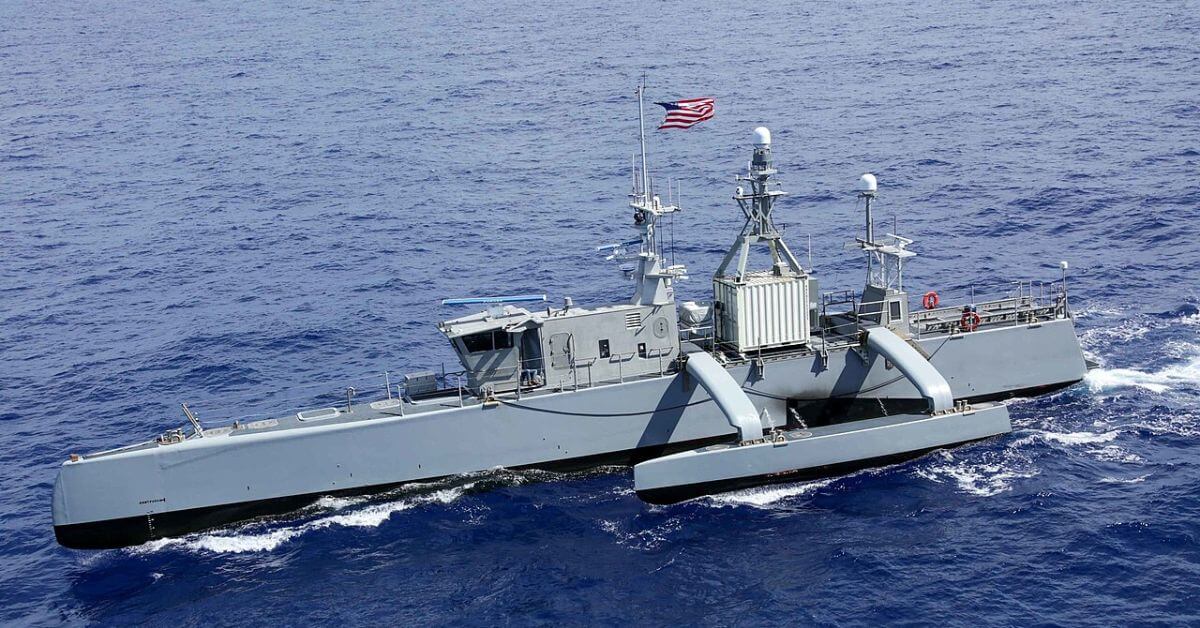
Rolls-Royce announced that its mtu Series 4000 and Series 2000 marine engines have received certification from the U.S. Navy for use in autonomous naval vessel operations, marking a significant milestone in the advancement of unmanned maritime capabilities.
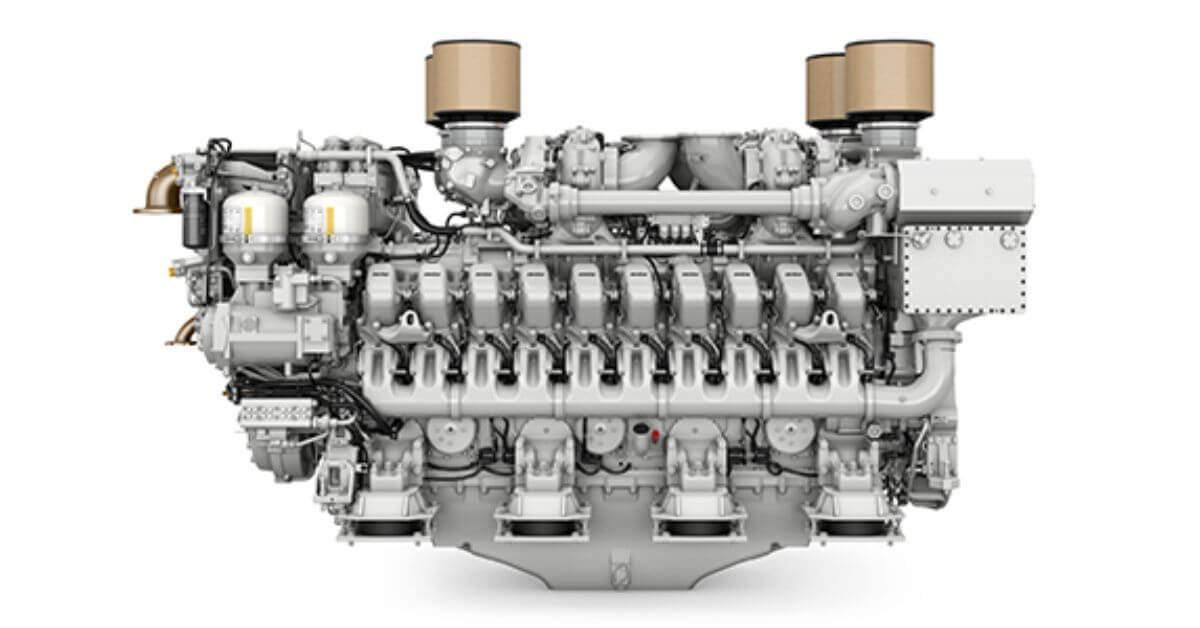
After passing two 720-hour durability tests, mtu Series 4000 engines were certified for use in autonomous applications for up to 4300kW of propulsion power and 3000kWe of power generation. The Series 4000 is available in V-configurations of 8, 12, 16 and 20 cylinders.
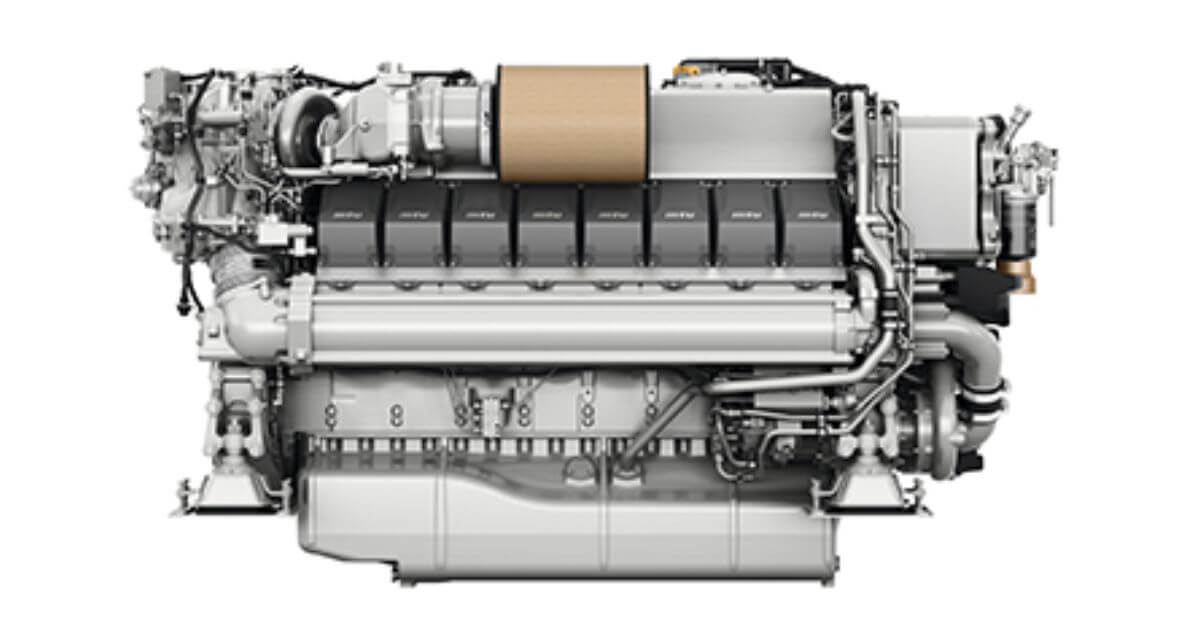
The mtu Series 2000 platform was also certified based on the results of rigorous engine component testing along with thousands of hours of reliable field operation. The Series 2000 is available for propulsion applications up to 1939kW in V-configurations of 10, 12 and 16 cylinders.
The certifications align with the requirements outlined in the 2021/2026 National Defense Authorization Act for unmanned systems, which require engines to pass demanding operational and reliability tests without human intervention or preventive/corrective maintenance or repairs to the main propulsion, fuel and oil systems. Successful testing qualifies propulsion systems to power an unmanned ship for 30-day deployments at sea without requiring maintenance.
Scott Hanson, Vice President, Governmental Sales at Rolls-Royce Power Systems in North America said:
The certification of our engines for unmanned operations further demonstrates the reliability and advanced technology of our mtu Series 4000 and 2000 marine propulsion systems. For decades, mtu engines have been trusted to provide reliable, mission-ready power for our crews at sea.”
“As autonomous missions become increasingly important to naval strategy, we are proving that we can deliver the power systems, long-endurance capability and technology required for the new operational demands of unmanned vessels.”
Autonomous unmanned surface vessels (USVs) represent a rapidly growing priority for the U.S. government as it seeks to expand fleet capacity and enhance operational flexibility. One of the Navy’s first autonomous unmanned surface vessels, the Sea Hunter, was operationally deployed earlier this year along with Seahawk by the U.S.Navy as the first division of unmanned surface vessels. Sea Hunter is powered by twin mtu 12V 2000 engines and has logged tens of thousands of operational hours since its christening in 2016.
USVs enable extended missions, deliver high reliability and improve safety by removing personnel from hazardous environments. To ensure they meet these objectives, USVs are subject to robust certification frameworks, emphasizing rigorous validation of control systems, cybersecurity and safety-critical functions. These U.S. Navy processes are essential to ensuring the safe and reliable deployment of unmanned technologies across maritime, aerial and subsea domains.
Rolls-Royce is also a leader in propulsion systems for unmanned aircraft, powering current unmanned platforms for the U.S. Air Force (RQ-4 Global Hawk) and U.S. Navy (MQ-4C Triton). Most recently, Rolls-Royce supported successful test flights for the Navy’s new MQ-25A Stingray – an unmanned refueling aircraft powered by the AE 3007N engine from the Rolls-Royce AE engine family. The aircraft autonomously executed a full mission profile, including taxi, take-off, flight maneuvers, and landing.
As a trusted partner to the U.S. Armed Forces for several decades, Rolls-Royce is providing the advanced technology and proven reliability for the next generation of unmanned military vehicles in the air and at sea.
Read on the original site
Open the publisher's page for the full experience