Otherworldly music albums feature space weather data
Our take
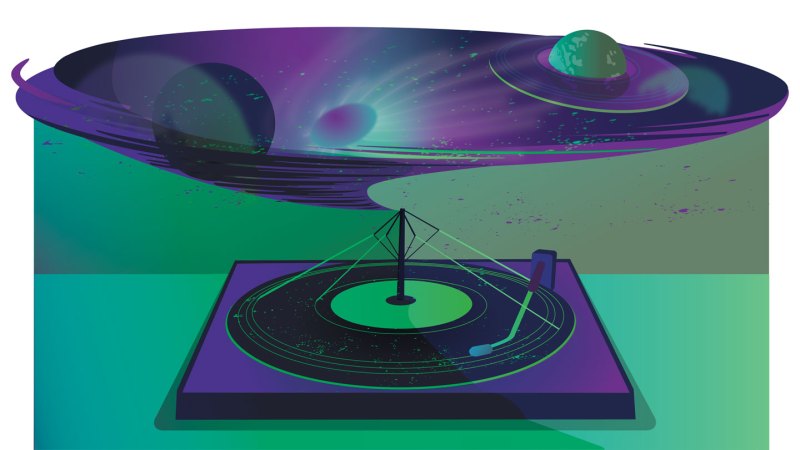
The intersection of scientific data and artistic expression continues to yield surprising and compelling results, as evidenced by the recent creation of music albums incorporating space weather data and sounds from Antarctica. This innovative approach, undertaken by a science-art team, highlights the inherent beauty and complexity embedded within datasets often perceived solely through a scientific lens. It’s a fascinating development, particularly when considered alongside our ongoing efforts to monitor and understand oceanic phenomena; for instance, NASA’s recent detection of a significant ocean swell that could signal El Niño’s return NASA spots giant ocean swell that could signal El Niño’s return underscores the critical need for advanced observation and analysis, and this artistic interpretation offers a novel means of engaging with that data. The ability to translate complex scientific information into an accessible and emotionally resonant medium holds substantial potential for broader public understanding and appreciation of the intricate systems shaping our planet, and beyond.
The choice of both Antarctic sounds and space weather data is particularly noteworthy. Antarctica, a continent largely defined by its isolation and extreme environment, represents a critical bellwether for climate change and a vital component of global ocean circulation. Its sounds, often subtle and previously unappreciated, now gain a new dimension as musical elements. Simultaneously, incorporating space weather data—solar flares, coronal mass ejections, and geomagnetic storms—connects terrestrial environments to the broader cosmic context, reminding us of the interconnectedness of Earth systems and the influence of forces beyond our planet. This echoes the complexities we encounter when investigating the behavior of deep-sea fish near oil and gas installations Investigating the behaviour of deep-sea fish in the vicinity of an oil and gas installation, where subtle environmental changes can have profound impacts on marine life. Transforming these elements into music effectively democratizes access to these datasets, moving beyond traditional academic publications and visualizations.
The broader significance of this project extends beyond the immediate aesthetic appeal. It demonstrates the potential for a symbiotic relationship between scientific research and the arts, fostering creativity and innovation in both fields. Data sonification – the process of converting data into audio – isn’t a new concept, but the scale and ambition of this project, incorporating data from such disparate sources, represent a significant advancement. Furthermore, it provides a compelling case for considering data not just as a means to an end (scientific discovery, policy decisions), but as a source of inherent aesthetic value. The act of translating data into music can reveal patterns and relationships that might otherwise be missed through traditional analysis, potentially leading to new insights and perspectives. As our ability to collect and analyze data continues to grow exponentially, exploring alternative methods of interpretation and communication will become increasingly crucial.
Ultimately, this project compels us to consider the role of art in communicating complex scientific narratives and fostering a deeper appreciation for the natural world. The success of these "otherworldly" music albums suggests a growing appetite for novel and engaging ways to interact with scientific information. This raises a fundamental question: as we generate ever-increasing volumes of data related to ocean health, climate change, and space exploration, how can we most effectively leverage the power of art and creative expression to ensure that this information reaches, resonates with, and inspires action within a broader audience? The convergence of science and art offers a potent pathway toward more informed stewardship of our planet and a greater understanding of our place within the universe.
Read on the original site
Open the publisher's page for the full experience