NASA spots giant ocean swell that could signal El Niño’s return
Our take
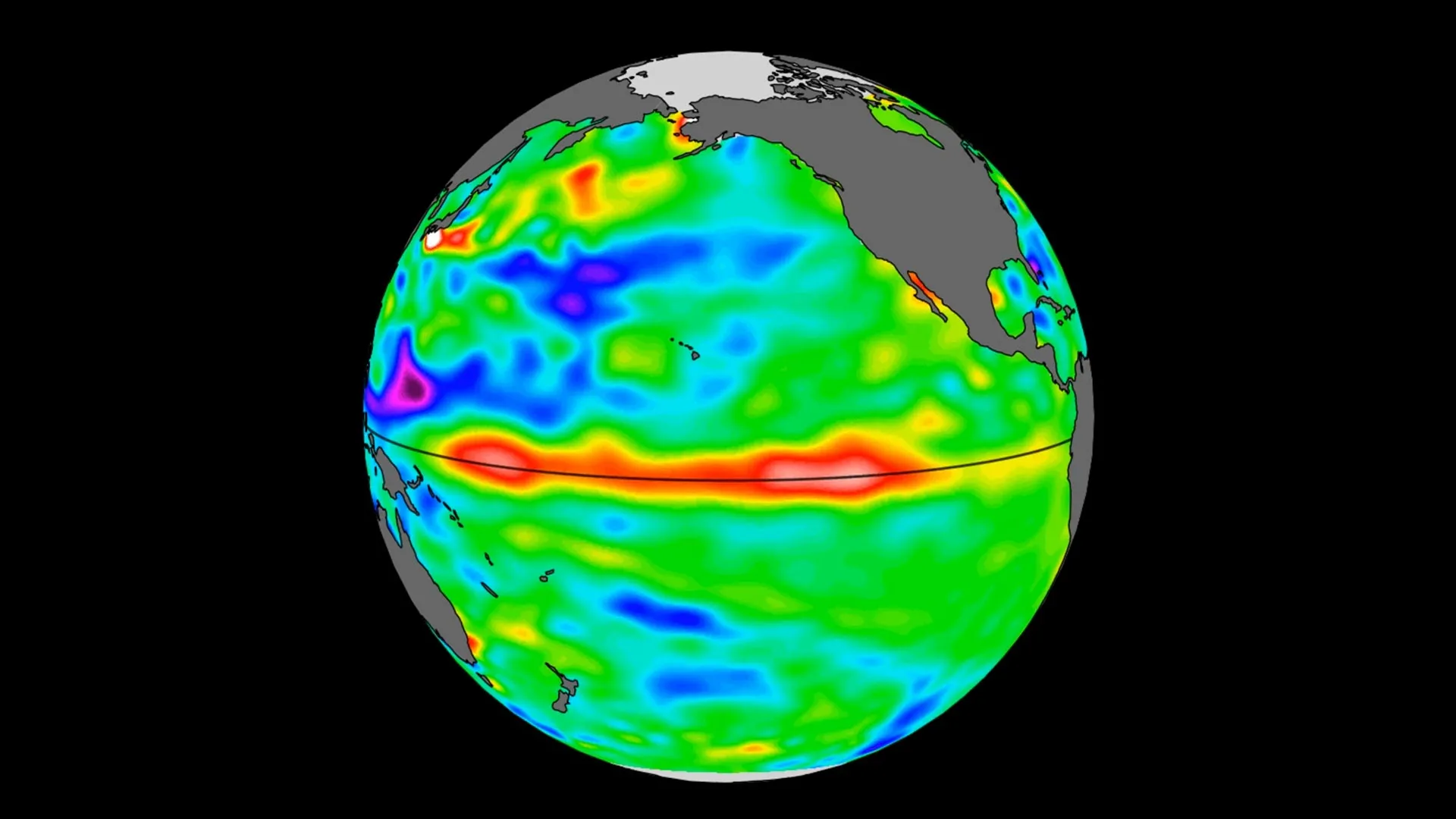
The recent detection of a significant pulse of warm water along the South American coast, as reported by NASA satellites, warrants careful attention within the ocean intelligence community. This observation, driven by eastward-propagating Kelvin waves, strongly suggests the development of an El Niño event. Understanding these complex ocean-atmosphere interactions is paramount, and our Ocean Data Platform Introduction and Updates underscores our commitment to providing the tools and infrastructure necessary for researchers to monitor and analyze such phenomena. The interplay of these oceanic processes is further complicated by factors like those outlined in our investigation of Property and energy transfer by an Agulhas Ring, highlighting the intricate, interconnected nature of global ocean currents and their impact on climate patterns. These events are not isolated; they are part of a larger, dynamic system requiring sophisticated data integration and analysis.
The potential global impacts of El Niño are well-documented, ranging from intensified monsoon seasons in Asia to prolonged droughts in South America and altered hurricane patterns in the Atlantic. While predicting the precise magnitude and timing of El Niño’s effects remains a challenge, the early detection provided by satellite observations – and the increasingly refined data processing capabilities supporting them – allows for proactive mitigation strategies. The ability to track and model these changes in real-time, leveraging validated, empirical data, represents a significant advancement in our ability to anticipate and respond to climate-related challenges. Furthermore, the ongoing research into the impact of human activity on marine ecosystems, such as our study Investigating the behaviour of deep-sea fish in the vicinity of an oil and gas installation, underscores the need for a holistic understanding of ocean health and its sensitivity to climate variability.
The significance of this development extends beyond immediate weather forecasting. It reinforces the crucial role of longitudinal data collection and integrated data ecosystems in understanding long-term climate trends. The current El Niño signal, detected through calibrated satellite instruments, offers a valuable opportunity to refine our predictive models and enhance the accuracy of climate projections. This improved accuracy is vital for policymakers and resource managers who rely on this information to make informed decisions about water resource management, agricultural planning, and disaster preparedness. The shift towards ocean intelligence – leveraging real-time data, validated through peer-reviewed methodologies – is a key imperative for a future facing increasingly complex climate challenges, and this observation serves as a potent reminder of the interconnectedness of our planet’s systems.
Looking ahead, the intensity and duration of this developing El Niño will be critical factors to monitor. While early indications are concerning, the full extent of its impact remains to be seen. A key question moving forward is how the interaction between this El Niño event and ongoing anthropogenic climate change will shape future weather patterns and ocean dynamics. Will we observe synergistic effects, amplifying the impacts of both phenomena, or will mitigating factors come into play? Continued investment in ocean observing systems, advanced data analytics, and collaborative research efforts will be essential to providing the robust ocean intelligence needed to navigate the uncertainties ahead.
Read on the original site
Open the publisher's page for the full experience