Newfound fossils are spilling Denisovan secrets
Our take
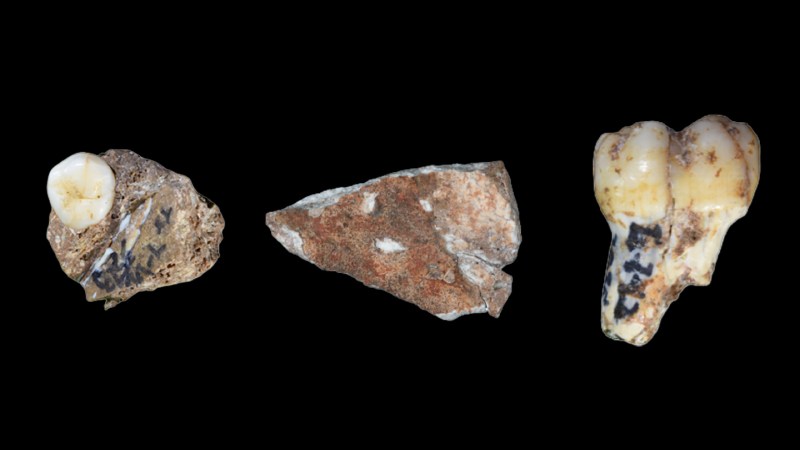
The recent discovery of Denisovan remains in a Chinese cave, detailed in reports of teeth and bone fragments alongside stone tools and animal remains, represents a significant advancement in our understanding of this enigmatic hominin group. While Neanderthal DNA is relatively well-represented in modern human genomes, particularly in populations of European and Asian descent, Denisovan genetic contributions are more geographically concentrated, primarily observed in Melanesian populations. This discovery, situated in China, expands the known geographic range of Denisovans considerably and suggests a more complex pattern of migration and interaction than previously understood. It reinforces the importance of incorporating East Asia into the broader narrative of hominin evolution, a region that has historically received less attention compared to Europe and Siberia. The implications extend beyond simply mapping their physical presence; it prompts critical reassessment of potential interactions between Denisovans, Neanderthals, and *Homo sapiens* across Eurasia. Considering China’s increasingly complex approach to environmental management, as highlighted in [Policy instruments in China’s marine environmental governance: an administrative law perspective on structural configuration, operational challenges, and optimization pathways], understanding the human history of the region adds another layer of context to its present-day ecological and geopolitical considerations.
The meticulous excavation and analysis of these fossils underscore the ongoing evolution of paleoanthropological techniques. The ability to extract valuable genetic information from such fragmented remains – a process increasingly refined through advancements in ancient DNA analysis – demonstrates the power of interdisciplinary collaboration. Furthermore, the associated archaeological findings – the stone tools and animal bones – provide crucial insights into Denisovan subsistence strategies and technological capabilities. This evidence, coupled with the genetic data, allows researchers to move beyond simple phylogenetic reconstructions and begin to paint a more nuanced picture of Denisovan social structures, hunting practices, and adaptation to diverse environments. The strategic positioning of nations and their resources, exemplified by events like [40 Oil Tankers Loaded With 18 Million Barrels Of Oil For Asia Cross Hormuz Under U.S Naval Escort], highlights the geo-political significance of understanding the historical presence of human populations across these regions. It’s increasingly clear that environmental and human history are intertwined.
The discovery also compels us to reconsider the narrative of human evolution as a linear progression. The presence of Denisovans, alongside Neanderthals and *Homo sapiens*, demonstrates a far more intricate web of interactions and interbreeding. The genetic legacy of Denisovans, particularly their contributions to traits like high-altitude adaptation in Tibetan populations, underscores the tangible and enduring impact of these interactions on modern human biology. The evolving technological landscape, exemplified by projects like [Japan Plans Submarine-Launched Mach 5 Hypersonic Missile To Strengthen Long-Range Strike Capability], highlights the capacity for rapid technological advancements, which in turn necessitates a deeper understanding of the long-term ecological and societal context in which these innovations occur. Examining the Denisovan record through the lens of our current technological capabilities allows for a more comprehensive reconstruction of their world and the challenges they faced.
Looking forward, the focus should shift towards expanding the geographic scope of Denisovan fossil searches, particularly in regions previously under-explored. The success of this Chinese cave discovery emphasizes the potential for finding further remains that could illuminate previously unknown aspects of Denisovan life. Integrating advanced climate modeling and environmental reconstruction techniques with paleontological data will be crucial for understanding the ecological pressures that shaped Denisovan evolution and dispersal. A key question remains: what specific environmental factors drove the eventual decline or assimilation of Denisovan populations, and how might this inform our understanding of the resilience and adaptability of human populations in the face of contemporary climate change?
Read on the original site
Open the publisher's page for the full experience