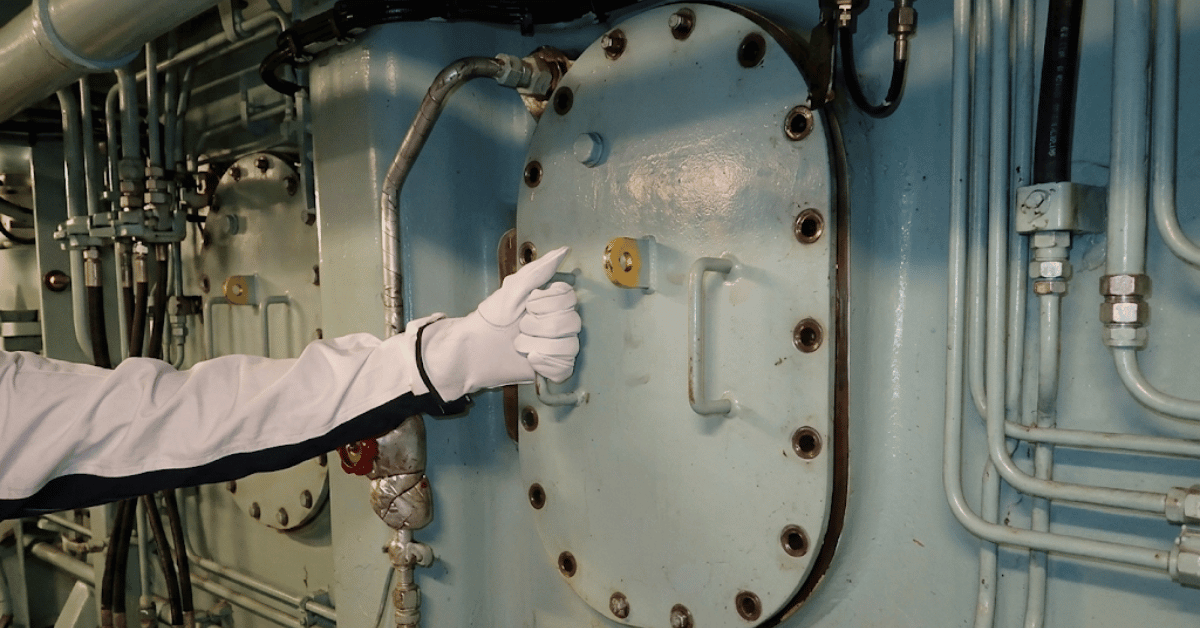
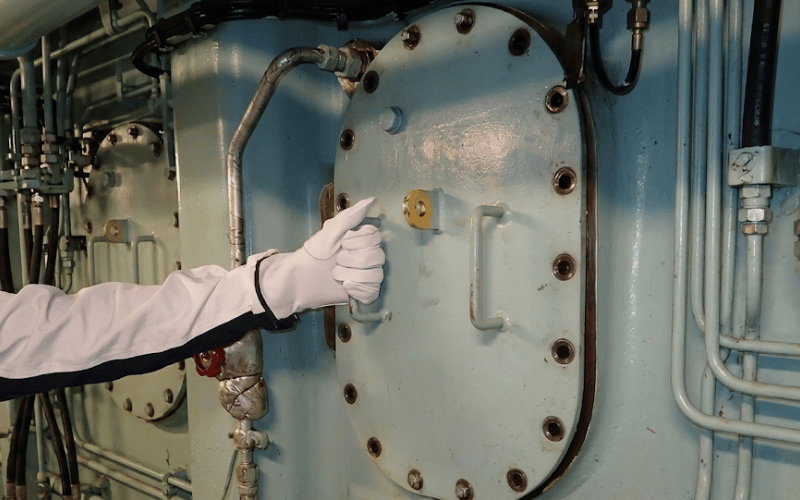
The recent incident involving a crew member sustaining a hand injury while handling an under-piston hatch cover highlights a persistent and often overlooked area of maritime safety: the human element in routine maintenance. While technological advancements are rapidly reshaping the shipping industry – as evidenced by collaborations like the CMA CGM, Bureau Veritas & SDARI Partner On AI-Powered Container Vessel Concept – the fundamental risks associated with physical tasks remain. The weight of 28.5 kg is significant, and the potential for sudden, uncontrolled movement, as described in the report, underscores the importance of robust safety protocols and diligent adherence to procedures. This isn't merely an isolated event; it speaks to a broader systemic issue within maritime operations, one that necessitates a renewed focus on preventative measures and ergonomic design to minimize the risk of injury during standard operations. The findings from the U.S. Coast Guard inquiry following the Baltimore Key Bridge disaster U.S Coast Guard Inquiry Finds Port Safety & Infrastructure Gaps After Baltimore Key Bridge Disaster Involving MV Dali further emphasize the critical need for comprehensive risk assessments across all maritime domains, extending beyond catastrophic events to encompass everyday tasks.
The incident's impact transcends the immediate injury to the crew member. It represents a potential disruption to vessel operations, increased insurance costs, and, crucially, a blow to crew morale. Furthermore, it necessitates a deeper examination of training programs and the efficacy of existing safety guidelines. Are crew members adequately trained to assess and mitigate the risks associated with handling heavy equipment? Are the procedures themselves sufficiently clear and easily executable, especially under the pressures of a demanding work schedule? The seemingly simple act of closing a hatch cover shouldn't carry such a significant risk, indicating a potential gap between prescribed procedures and their real-world application. The integration of autonomous navigation systems, as explored in A ship autonomous navigation decision-making method based on the OODA loop theory, while promising for overall efficiency and safety, cannot be considered a replacement for addressing these fundamental, human-related risks. Automation should augment, not eliminate, the need for well-trained and properly equipped personnel.
The long-term implications of incidents like this extend to the broader industry’s perception of safety culture. A reactive approach – investigating accidents after they occur – is insufficient. A proactive, data-driven methodology is needed, one that leverages empirical data and longitudinal studies to identify patterns and predict potential hazards. This requires not only improved equipment design, such as lighter, more easily manipulated hatch covers, but also a shift in organizational culture to prioritize safety above all else. Real-time data collection and analysis, facilitated by integrated data ecosystems, can provide valuable insights into crew performance and potential risk factors, enabling targeted interventions and preventative measures. Calibration of safety protocols based on this continuous feedback loop is essential for ensuring their ongoing effectiveness.
Looking ahead, the maritime industry must move beyond simply complying with regulations and embrace a culture of continuous improvement in safety practices. This includes investing in ergonomic equipment, providing comprehensive and ongoing training, and fostering an environment where crew members feel empowered to report potential hazards without fear of reprisal. The question becomes: can the industry effectively integrate technological advancements with a renewed commitment to human-centered safety, ensuring that the pursuit of efficiency doesn't inadvertently compromise the well-being of the individuals who operate and maintain these complex vessels? The answer will likely depend on a willingness to prioritize validated, measurable improvements in safety protocols and a commitment to a collaborative approach involving all stakeholders.