Grapefruit-sized hail may become more common in a warmer world
Our take
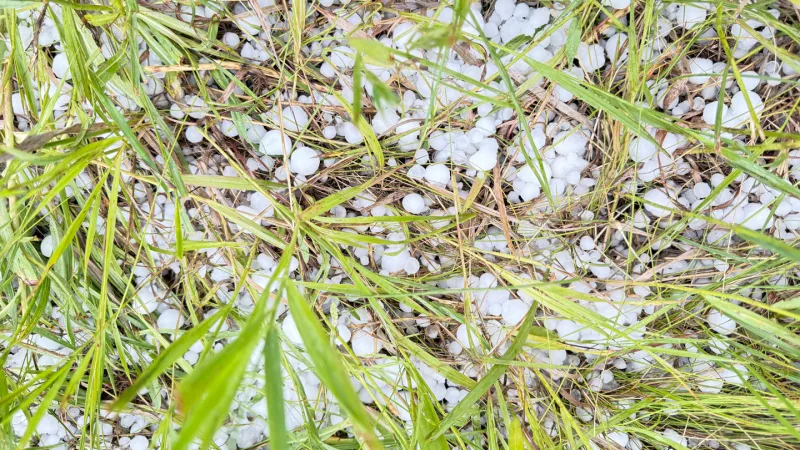
The implications of climate change are as vast as they are complex, influencing weather patterns, ecological balance, and human safety across the globe. A recent study highlights a particularly alarming prediction: as our planet warms, hailstones may increase in size and severity, particularly in mid-to-high latitude regions. This projection, grounded in a global climate model, underscores the urgent need for comprehensive understanding and action in ocean stewardship and broader climate issues. Such developments resonate with the findings from articles like Huge volcanic eruption offers clues to fighting climate change and MorphoCal: a multi-stage deep learning framework for fish length estimation in challenging underwater pond environments, illustrating the interconnectedness of our climate systems and the imperative for innovative solutions.
The study's findings present a stark warning: larger hailstones are not merely an inconvenience but a significant threat to agriculture, infrastructure, and human safety. As weather patterns shift, communities that have historically been less vulnerable to severe weather may find themselves facing new challenges. This evolution in storm dynamics is emblematic of the broader changes we are witnessing in our environment. The correlation between climate change and extreme weather, including larger hailstones, accentuates the need for multi-faceted strategies to mitigate risks and enhance resilience. As regions adapt to these changes, integrating scientific insights into policy and community planning becomes crucial.
Importantly, this phenomenon serves as a reminder of the role of scientific inquiry in informing public understanding and policy. The concept of "ocean intelligence" is pivotal here; as our oceans absorb heat and carbon, they play a critical role in regulating climate. The dynamic interplay between ocean health and atmospheric conditions highlights the significance of an integrated data ecosystem for climate indicators. Just as the recent volcanic eruption provided insights into potential climate mitigation strategies, we must learn from every data point and event to build a comprehensive understanding of our changing world.
Looking ahead, the prospect of grappling with larger hailstones in a warming world raises crucial questions: How can we bolster our infrastructure to withstand these new threats? What adaptive strategies can agricultural sectors adopt to protect crops and livelihoods? The answers lie in collaboration—between scientists, policymakers, and communities. As we navigate these complexities, fostering a culture of shared responsibility for ocean stewardship and climate resilience becomes more vital than ever.
In closing, the interplay between climate change and extreme weather phenomena, such as the increase in hail size, serves as a critical juncture for global action. As the urgency of these challenges mounts, the scientific community's role in providing validated, empirical data remains essential. How we respond today will shape the resilience of future generations in the face of climate change. The pathways we choose will determine not only our immediate safety but also the long-term health of our oceans and atmosphere. As we advance, we must embrace the data-driven insights that guide our understanding and actions, ultimately fostering a sustainable and resilient future for all.
Read on the original site
Open the publisher's page for the full experience