Huge volcanic eruption offers clues to fighting climate change
Our take
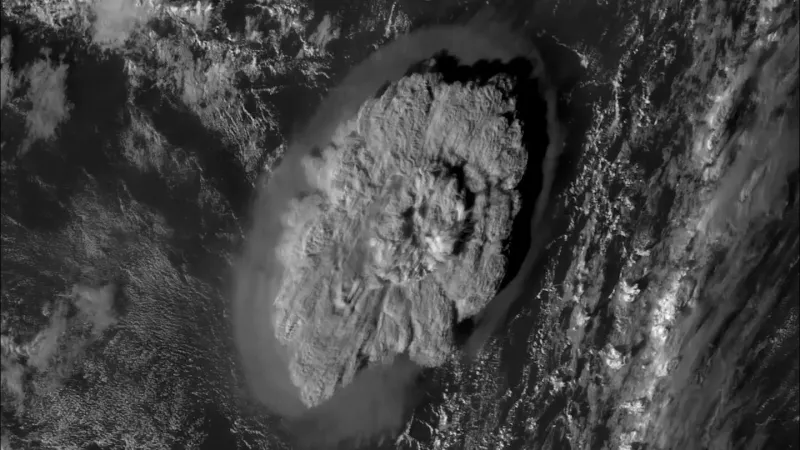
The recent volcanic eruption in the South Pacific provides a fascinating case study in understanding the complex interplay between natural phenomena and climate change mitigation strategies. This explosion, which reportedly consumed its own methane, raises significant questions about how we approach greenhouse gas reduction. The idea that volcanic activity could inadvertently contribute to lowering methane levels is intriguing, yet it opens a Pandora's box of controversies regarding the implications for climate policy and environmental stewardship. Such insights can be critical as we navigate the multifaceted challenges of climate change, much like our discussions surrounding oceanic health and pollution, as seen in articles like How much plastic waste ends up in the ocean? - Our World in Data.
Volcanic eruptions have long been viewed through the lens of their immediate environmental impact—ash clouds, lava flows, and the release of various gases. However, the potential for these eruptions to act as natural mitigators of greenhouse gases like methane suggests a more nuanced role in our climate system. The controversy surrounding the application of these findings to combat climate change lies in the unpredictability of volcanic activity and its long-term ecological consequences. While it may seem advantageous to harness this natural phenomenon, it is crucial to remember the unpredictability and destructive potential of such events. Moreover, relying on a sporadic natural occurrence to inform climate strategies could detract from the urgent need for systemic changes in how we manage emissions on a global scale.
This eruption's occurrence also invites us to examine the broader ecological context. The relationship between volcanic activity, greenhouse gas emissions, and climate change is complex and not yet fully understood. For instance, while the eruption's methane consumption offers a potential short-term benefit, it does not address the underlying causes of methane emissions, such as agricultural practices and fossil fuel extraction. This mirrors ongoing discussions in our publication about the pressing need for comprehensive and integrated approaches to environmental issues, as seen in our piece on MorphoCal: a multi-stage deep learning framework for fish length estimation in challenging underwater pond environments.
As we consider the implications of such natural events, it is essential to maintain a balanced perspective. The eruption serves as a reminder of the Earth's dynamic systems and the intricate balances that exist within them. While the consumption of methane by volcanic activity may provide a glimpse of hope, we must prioritize validated, empirical approaches to climate change that do not hinge on natural unpredictability. This highlights the critical importance of global collaboration and innovation in developing effective climate strategies, as we work together to build a more resilient future.
Looking ahead, it will be vital to monitor how this volcanic event influences ongoing discussions in climate science and policy. Will it inspire new research avenues or lead to the pursuit of misguided strategies that rely too heavily on natural phenomena? The answers may shape our climate response for years to come, underscoring the need for a careful examination of the relationship between natural events and human-driven climate change mitigation efforts. As we continue to explore these connections, the dialogue surrounding our planet's health and the stewardship of its resources must remain at the forefront of global discourse.
Read on the original site
Open the publisher's page for the full experience