For gray whales, San Francisco Bay is becoming a deadly pit stop
Our take
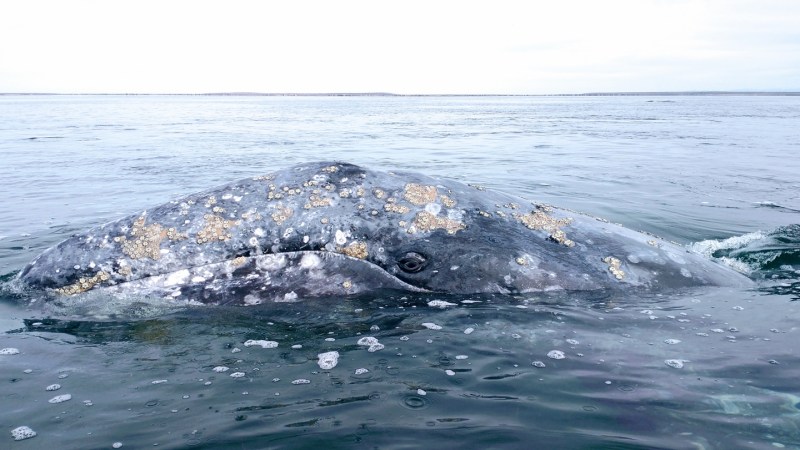
The recent influx of gray whales into San Francisco Bay has raised alarming concerns about their survival, as climate change appears to be altering their traditional migration paths and forcing them into hazardous environments. This situation is not merely a localized issue; it reflects a broader trend impacting marine species worldwide. As highlighted in our article, Gray whales are entering San Francisco Bay and many aren’t surviving, these majestic creatures are now facing increased mortality rates due to vessel strikes, underscoring the urgent need for comprehensive strategies to mitigate human impacts on marine life.
Gray whales, known for their extensive migratory journeys along the Pacific coast, are now entering San Francisco Bay in search of food, a behavior that has become increasingly common as climate change disrupts their typical foraging grounds. The Gray whales (Eschrichtius robustus) in San Francisco Bay experience high mortality and have limited affiliation to known foraging groups article discusses how this shift in behavior highlights the broader implications of changing oceanic conditions, including altered prey availability and the need for adaptive responses from wildlife. The heightened risk of vessel strikes compounds these challenges, as busy shipping lanes and recreational boating activities collide with the whales' new foraging habits.
This intersection of climate change and human activity raises vital questions about our stewardship of marine ecosystems. The rising mortality rates among gray whales serve as a stark indicator of the urgent need for integrated conservation efforts. While it is critical to understand the biological and ecological dynamics at play, we must also acknowledge our role in creating solutions that prioritize both marine health and human activity. Implementing measures such as speed restrictions for vessels in critical habitats and enhancing awareness about the presence of these whales are necessary steps toward fostering a safer environment for them.
As we grapple with the realities of climate change, it is imperative that we move beyond alarmist narratives and focus on collaborative, evidence-based approaches to ocean stewardship. The plight of the gray whale is not just an isolated incident; it is a reflection of the interconnectedness of climate, ecology, and human activity. The time to act is now, as the decisions we make today will shape the future of marine biodiversity and our shared oceanic resources.
Looking ahead, it is essential for policymakers, researchers, and ocean enthusiasts to engage in a dialogue that emphasizes both the urgency of the current situation and the potential for innovative solutions. How can we leverage technology and scientific research to create a more integrated data ecosystem that informs our conservation strategies? As we continue to monitor the impacts of climate change on marine species, the case of the gray whale offers valuable lessons about resilience, adaptation, and the collective responsibility we share in safeguarding our oceans. The path forward will require not only awareness but also concerted action, as we work together to ensure the survival of these remarkable creatures in an ever-changing world.
Read on the original site
Open the publisher's page for the full experience
Related Articles
- Gray whales are entering San Francisco Bay and many aren’t survivingGray whales are beginning to break their long-established migration patterns, venturing into risky new territory like San Francisco Bay as climate change disrupts their Arctic food supply. But this unexpected detour is proving deadly: nearly one in five whales that enter the Bay don’t survive, with many struck by ships in the crowded, foggy waters.
- Gray whales (Eschrichtius robustus) in San Francisco Bay experience high mortality and have limited affiliation to known foraging groupsTerrestrial and marine species are exhibiting distributional shifts due to climate change and resource availability. As food webs are impacted, some species have moved into areas of increased human activity, encountering anthropogenic hazards. A coastal marine species that undertakes a long migration between breeding and foraging ranges, the Eastern North Pacific (ENP) population of gray whales (Eschrichtius robustus) is especially vulnerable to changes. Subgroups of ENP gray whales, including the Pacific Coast Feeding Group and the (Puget) Sounders, have adapted to exploit alternative feeding grounds as prey availability declines in the Arctic. Novel to known migration phenology, gray whales have been observed seasonally since 2018 in San Francisco Bay (SF Bay), California. We evaluated subgroup identity and mortality of gray whales in SF Bay from 2018–2025 using photo-identification. Data were collected through vessel-based surveys, opportunistic effort, and community submissions. We identified 114 individual whales of which eight were matched to a subgroup, indicating gray whales utilizing SF Bay are not merely a range extension by foraging subgroups. Only four gray whales were resighted within SF Bay between years. Using photographs, 21 individuals were successfully matched to carcasses and a minimum mortality rate of 18% was determined. Blunt and/or sharp force trauma consistent with vessel strike was determined to be the cause of death for 30 of 70 carcasses, and for nine of 11 matched animals where a cause of death was determined. Sounder and PCFG matched whales were more likely to survive SF Bay than ENP individuals, though minimum length of stay did not influence mortality. This work confirms that gray whales entering SF Bay are highly susceptible to vessel strike mortality and highlights a crucial need to identify and implement adaptive management strategies to mitigate injuries and mortality as whales continue to utilize novel habitat.