Damen Shipyards Selects Everllence 175D Engines For Fuel-Flexible Tug Fleet
Our take
The maritime sector’s ongoing quest for decarbonization continues to yield tangible progress, exemplified by Damen Shipyards’ recent framework agreement with Everllence for the supply of their 175D engines. This move signifies a noteworthy shift toward fuel flexibility, a crucial element in navigating the complex transition away from traditional fossil fuels. The adoption of engines capable of running on alternative fuels like ethanol, as demonstrated in the World’s First Ethanol-Capable Engine Passes R&D Testing For Very Large Ore Carrier, is becoming increasingly vital. This isn't simply about incremental improvements; it’s about building resilience into shipping operations as the infrastructure for entirely new fuel sources develops. Damen’s choice to integrate Everllence engines underscores the growing viability of these technologies and their potential to significantly reduce the environmental impact of maritime transport. The agreement also aligns with broader industry trends explored in a recent Lloyd’s Register report indicating that Onboard Carbon Capture Can Cut Shipping Emissions By 30-70%, highlighting the multifaceted approaches required to achieve meaningful emissions reductions.
The selection of the 175D engine is particularly relevant given its fuel-flexible design. While the specifics of the fuel mix Damen intends to utilize remain to be fully defined, the ability to operate on a range of options—including biofuels, synthetic fuels, and even ethanol—provides a significant advantage. This contrasts with the challenges faced by vessels committed to a single, nascent alternative fuel, which are vulnerable to supply chain disruptions and price volatility. Furthermore, the broader adoption of such engines necessitates robust testing and certification, as evidenced by Rolls-Royce’s recent Rolls-Royce Wins U.S. Navy Certification For mtu Engines In Autonomous Naval Vessel Operations, demonstrating the rigorous standards required for reliable operation in demanding environments. Damen’s decision to partner with Everllence underscores a commitment to leveraging validated, empirical data to inform fleet modernization strategies.
The significance of this development extends beyond Damen’s immediate fleet. It serves as a signal to other shipbuilders and operators that fuel-flexible engine technology is maturing and becoming a commercially viable option. The maritime industry has historically been slow to adopt new technologies, due to the long lifecycles of vessels and the inherent conservatism of the sector. However, the increasing pressure from regulators, investors, and consumers to reduce emissions is accelerating the pace of change. The integration of these engines into Damen’s tug fleet—vessels known for their operational intensity—provides a real-world testing ground for this technology, generating valuable longitudinal data on performance and reliability. This data will be crucial for refining engine designs and optimizing fuel consumption, contributing to a broader understanding of the ocean intelligence needed to manage this transition effectively.
Looking ahead, the crucial question becomes: how quickly can the supporting infrastructure for alternative fuels be scaled up to meet the growing demand? While the technological hurdles for producing and utilizing fuels like ethanol are diminishing, the logistical challenges of establishing a global supply chain remain considerable. The success of initiatives like Damen’s adoption of Everllence engines hinges on collaborative efforts between shipbuilders, engine manufacturers, fuel producers, and policymakers to create a truly integrated data ecosystem that supports a sustainable maritime future. The calibrated approach to fleet modernization exemplified here suggests a pragmatic, data-driven path forward, but the pace of infrastructure development will ultimately determine the full impact of this transition.
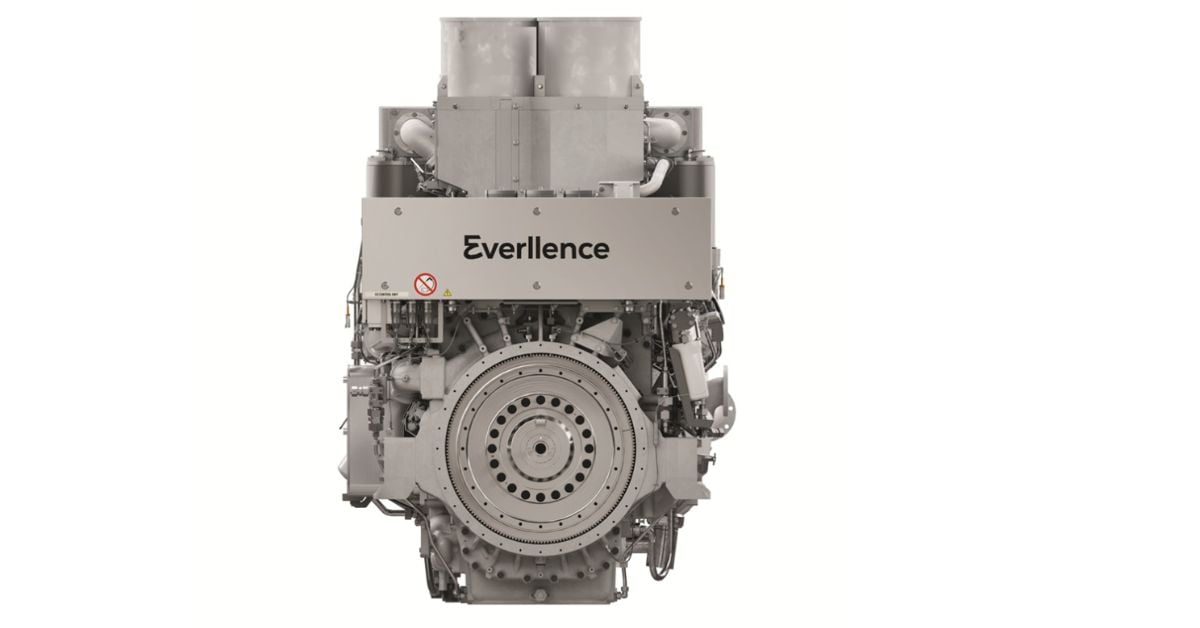
Everllence has signed a framework agreement with Damen Shipyards Group, the Dutch shipbuilder, regarding the serial supply of Everllence’s 175D engine.
The basis of the agreement provides for a long-term partnership between the two parties for the delivery of high-speed engines for Damen’s Fuel Flexible tug programme – as well as other applications – well into the future.
Damen is the world’s largest producer of harbour and escort tugs built according to a standard, pre-defined design on a serial basis, enabling reduced vessel-delivery times to tug operators. Its Fuel Flexible tug portfolio sets a forward-looking benchmark for operators seeking to maintain today’s competitiveness while preparing for future fuel and new regulatory requirements.
In selecting Everllence’s 175D engine for its new series of tug designs, Damen is choosing a proven, high-speed engine that combines highly efficient operation with robust reliability. The engine’s flexible and modular design also supports Damen’s long-term fuel strategy, with the tugs prepared for – not only diesel operation and the use of 100% biofuel, which is already available today – but also for future, dual-fuel methanol operation, either as newbuilds or through retrofit. This makes the 175D a strong fit for highly efficient, reliable and future-proof tug propulsion.
Erik van Schaik – Product Manager Tugs, Damen – said: “For our next generation of fuel-flexible tugs, Damen selected Everllence’s 175D engine because it offers the right combination of compact power density, proven performance, and availability within the required development timeline. This choice supports our ambition to bring future-ready tug designs to market quickly, while continuing to value the strong relationships we have built with our engine partners across our wider portfolio.”
Ben Andres – Vice President, Head of Medium & High-Speed Four-Stroke Marine, Everllence – said: “The signing of this framework agreement with Damen represents an important strategic step for Everllence and establishes a long-term collaboration with one of the world’s leading builders of harbour and escort tugs.
It highlights the industry’s increasing demand for propulsion solutions that combine proven performance with a clear pathway towards alternative fuels. Together with Damen, we are enabling operators to invest in vessels that meet today’s requirements while being prepared for the fuel landscape of tomorrow.”
Press Release
Read on the original site
Open the publisher's page for the full experience