40 Oil Tankers Loaded With 18 Million Barrels Of Oil For Asia Cross Hormuz Under U.S Naval Escort
Our take
The recent transit of 40 oil tankers, carrying approximately 18 million barrels of crude, through the Strait of Hormuz under U.S. naval escort underscores a precarious reality at the intersection of global energy markets, geopolitical instability, and maritime security. This event, while seemingly routine, occurs against a backdrop of escalating tensions in the region, highlighted by recent incidents such as the [Cargo Ship Carrying 23 Indian Seafarers Catches Fire After Drone Strike En Route To Pakistan]. The need for such escort missions demonstrates a clear and present danger to commercial shipping, disrupting established trade routes and adding significant costs to the movement of vital resources. The Strait of Hormuz, a narrow waterway connecting the Persian Gulf to the Gulf of Oman and the Arabian Sea, is critically important; roughly a fifth of the world’s oil passes through it, making it a vital artery for global energy supply. Any disruption to this flow carries significant economic consequences, potentially impacting energy prices and global economic stability.
The increased militarization of the region and the targeting of commercial vessels are symptomatic of a broader trend toward asymmetric warfare and the weaponization of maritime space. China's evolving legal approaches to maritime commerce, as discussed in [Institutional divergence in bills of lading: reconciling China’s predominantly real-right approach with prevailing global practice], further complicate the landscape, potentially introducing new layers of legal and operational complexity for international shipping. The escalating tensions also intersect with ongoing efforts to protect marine ecosystems, as demonstrated by research into [Evaluation of China’s marine ecological environment protection policies: a quantitative analysis of policy texts based on PMC indices]. The potential for accidents involving large oil tankers, particularly in a high-traffic and volatile environment, poses a significant threat to marine biodiversity and coastal communities. These events are not isolated incidents; they are interconnected facets of a complex system with far-reaching implications for the global economy and the health of the ocean.
The reliance on naval escorts is a reactive measure, addressing the immediate threat but not resolving the underlying causes of instability. It highlights the vulnerability of global energy infrastructure to geopolitical risks and the need for more proactive strategies to ensure maritime security. While the U.S. Navy plays a crucial role in maintaining freedom of navigation, the long-term sustainability of this approach is questionable, both in terms of resource allocation and the potential for escalation. Diversification of energy sources and trade routes, coupled with enhanced international cooperation on maritime security, are essential to mitigating these risks. Investment in advanced maritime surveillance technologies and data analytics, capable of providing real-time situational awareness and predictive capabilities, could also improve the safety and security of shipping lanes. The current situation demands a shift from reactive measures to proactive risk mitigation and a renewed focus on diplomatic solutions.
Looking ahead, the frequency and intensity of incidents in the Strait of Hormuz and surrounding waters are likely to remain elevated, driven by ongoing geopolitical tensions and the increasing sophistication of maritime threats. A key question to watch is how the evolving dynamics between regional powers and external actors will shape the future of maritime security in this critical waterway. Will existing mechanisms for de-escalation prove effective, or will we witness a further escalation of tensions with potentially devastating consequences for the global economy and the marine environment? The integrated data ecosystem, capable of providing ocean intelligence and calibrated climate indicators, will be essential in providing the actionable insights needed to navigate this complex and uncertain future.
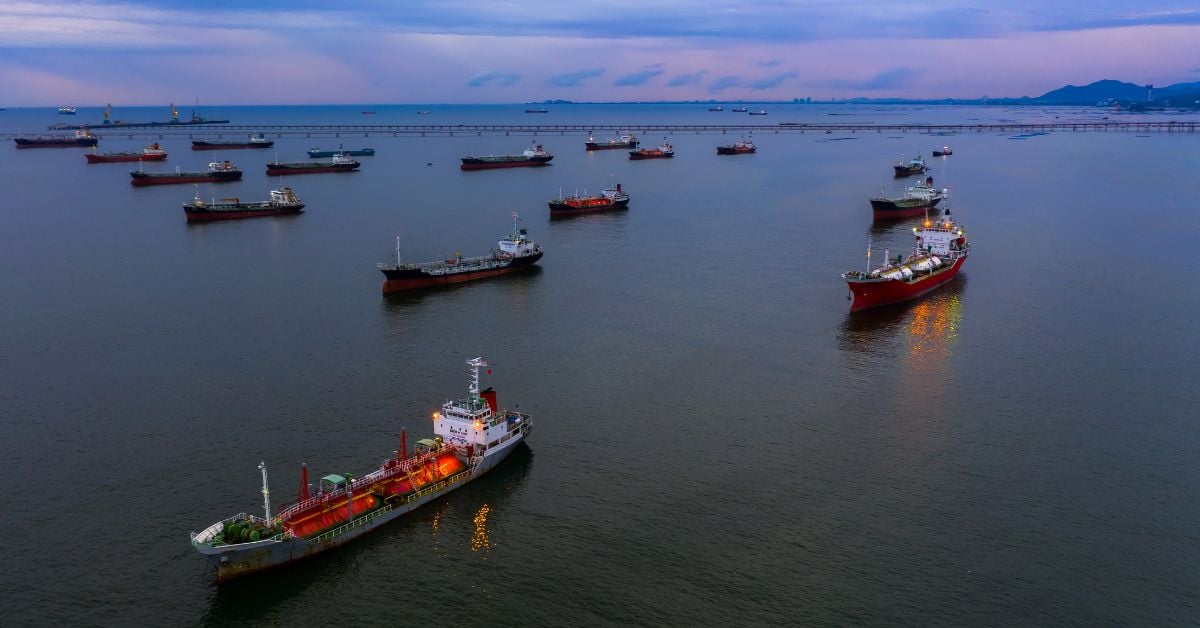
40 Tankers carrying around 18 million barrels of crude crossed the Strait of Hormuz on Tuesday, escorted by U.S Navy ships. This is the highest volume of oil shipped through the waterway in a single day since the U.S-Iran war began.
During pre-war times, the Strait of Hormuz saw 20 million barrels of crude and petroleum products each day in ship crossings. The recent figure, though substantial and equal to 90% of the pre-war volume, was a one-day record.
The ships were escorted amid strikes between U.S and Iranian forces, highlighting the risks faced by one of the world’s key maritime chokepoints for energy supplies.
U.S Navy used aircraft, naval ships and even satellites to offer protection to the commercial tankers carrying oil and to fight the Iranian drones fired when the ships were crossing the waterway.
The vessels were advised to keep their transponders off to prevent direct attacks from IRGC ships.
U.S wants to keep the Strait of Hormuz open for other countries while restricting Iran’s oil exports to pressure Tehran and force it to negotiate with Washington to permanently end the war.
United States has also said that Iran might be rebuilding its military assets, like radars or surveillance sites, which were destroyed by U.S attacks and could threaten ships. Hence, to maintain the flow of oil through the strait, escort missions would be required.
The escort was conducted with around 60 Iranian military sites close to the coast, including radars, mine layers, communication centres and air-defences.
Most of this crude is destined for markets in Asia, including in Japan, India, China and South Korea, which are the largest buyers of oil from the region that passes through the Strait.
However, Japan and other countries are looking for other sources as well to reduce their dependency on oil from the Middle East, since this war has exposed the vulnerabilities of global energy supplies and their dependence on specific supply chains.
Shipping companies are also cautious about sending their ships through the waterway even after the U.S has promised protection, since war risk premiums remain high and charter rates, especially for container ships and tankers, have risen a lot.
According to sources, a tanker chartered for passage through Hormuz would cost over $500,000 a day.
Read on the original site
Open the publisher's page for the full experience