Arctic Ocean passed a tipping point and scientists say it may never recover
Our take
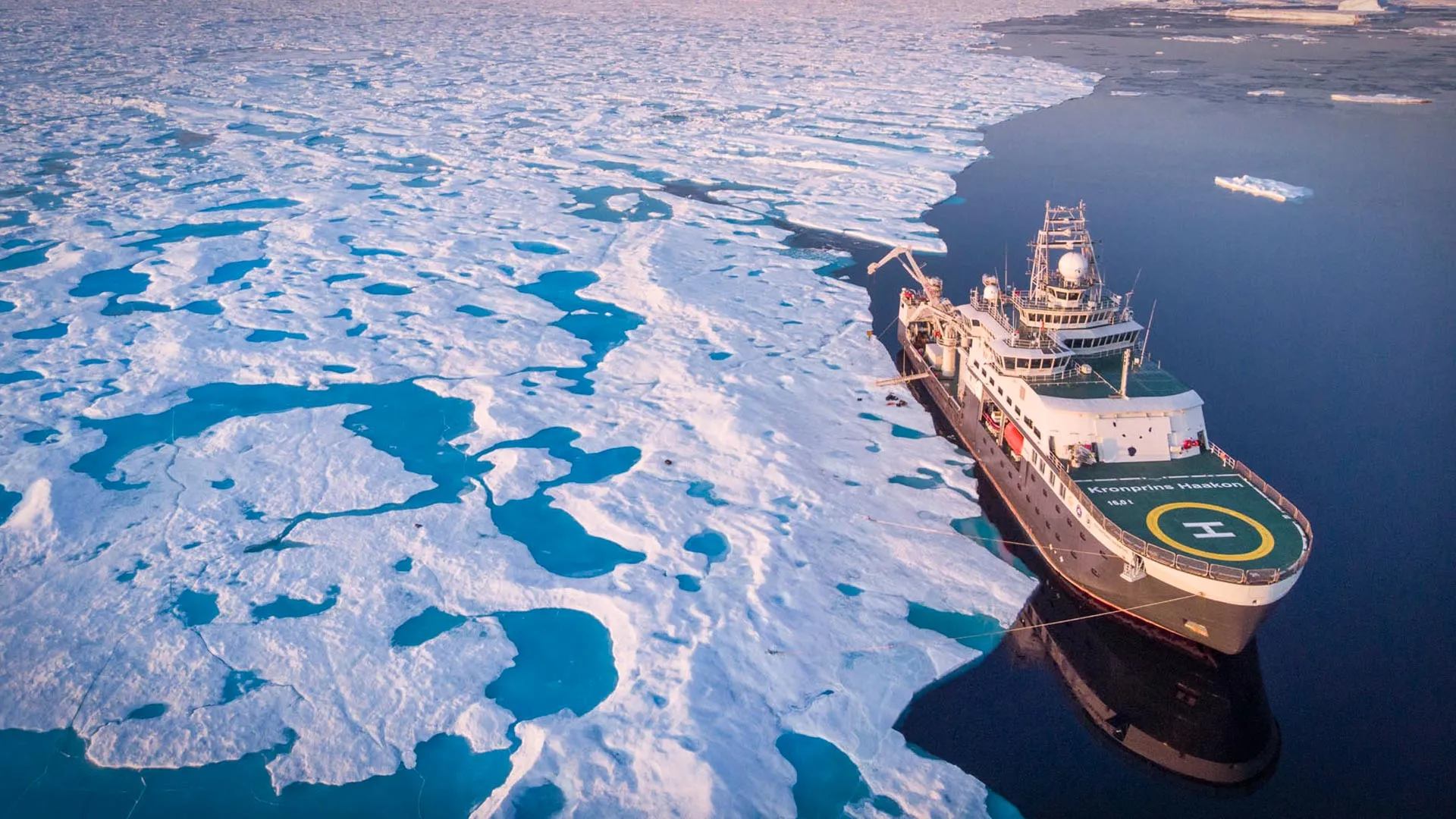
The recent insights regarding the Arctic Ocean indicate a critical trajectory that could redefine our understanding of marine ecosystems. Scientists have warned that the rapid loss of sea ice may signal a tipping point, resulting in a significant decline in nitrate levels—a nutrient vital for the plankton that underpin the Arctic food web. As this nutrient diminishes, the ramifications could extend beyond the immediate environment, affecting larger marine species and the intricate ecosystems dependent on these foundational organisms. This situation underscores the urgency for comprehensive monitoring and intervention strategies to mitigate such changes and protect ocean health.
The implications of declining nitrate levels are profound. Plankton, often overlooked in discussions about marine biodiversity, play an essential role in carbon cycling and oxygen production. Their decline could lead to a cascade of effects, threatening not only fish populations but also seabirds, whales, and the overall stability of polar ecosystems. The interconnectedness of these species is a reminder of how fragile our ocean systems are, and how quickly they can be altered by human-induced climate changes. This is especially relevant in light of innovative monitoring techniques, such as eDNA analysis, which allow us to better understand and track marine life without invasive methods. As noted in our piece on Ever wonder how we actually track what’s living in the deep blue without catching every single fish? 🌊 Enter eDNA: envi..., these advancements provide crucial insights that can inform conservation efforts.
Moreover, the Arctic is not an isolated case. The challenges faced by its ecosystems resonate globally, as they reflect broader trends in ocean health impacted by climate change. The urgency of the situation calls for global collaboration and innovative solutions, similar to initiatives like the Port Of Long Beach Announces First-of-Its-Kind $1M Award For Clean Fuel Bunkering Challenge, which seek to promote cleaner maritime practices. These efforts highlight the necessity of integrating scientific research with actionable policies to address the multifaceted challenges presented by climate change.
As we contemplate the future of the Arctic Ocean and its ecosystems, it is essential to consider the broader significance of these findings. The potential for irreversible change in nutrient dynamics not only threatens species survival but also challenges our capacity to manage and protect marine resources effectively. In an era where the effects of climate change are increasingly visible, our approaches to ocean stewardship must evolve. What new frameworks and technologies will emerge to monitor and mitigate these shifts? As we advance our understanding of ocean dynamics, we must remain vigilant and proactive in our efforts to cultivate resilience within these vital ecosystems.
In conclusion, the Arctic Ocean's potential tipping point serves as a clarion call for scientists, policymakers, and the global community alike. The stakes have never been higher, and the path forward demands a commitment to innovation, collaboration, and a shared responsibility for ocean health. As we move into this uncharted territory, the question remains: how can we leverage our collective knowledge and technology to ensure the sustainability of our oceans for generations to come?
Read on the original site
Open the publisher's page for the full experience