A $4 tongue swab test detects tuberculosis within 30 minutes
Our take
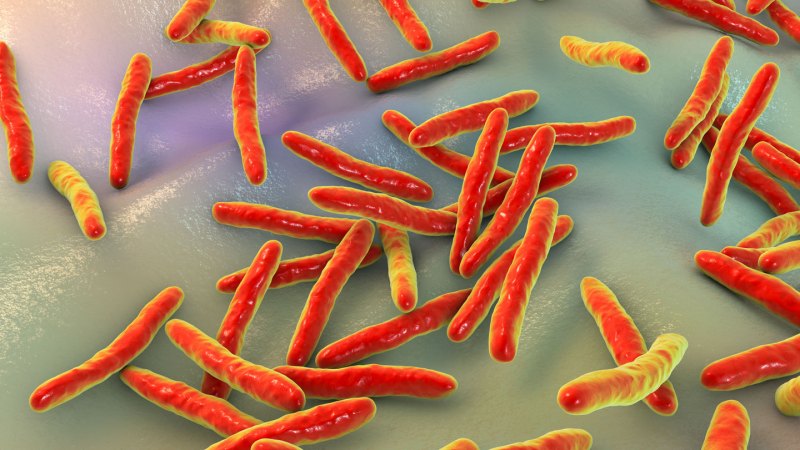
The recent development of a $4 tongue swab test for tuberculosis (TB) that can yield results in just 30 minutes represents a significant leap forward in public health, particularly for populations with limited access to healthcare. This innovative testing method addresses a persistent challenge in TB detection: the difficulty some individuals face in producing the phlegm required for traditional tests. The implications of this advance extend beyond mere convenience; they touch on the fundamental principles of equitable healthcare access and the urgent need for effective disease management strategies in vulnerable communities. The test's affordability and rapid results could enable earlier diagnosis and treatment, potentially curbing the spread of this infectious disease.
The urgency of this development is underscored when we consider the broader context of disease monitoring and environmental health. For instance, just as the new TB test aims to enhance access to critical health services, advancements in methods such as eDNA tracking are revolutionizing our understanding of biodiversity in marine environments. As highlighted in our article, “Ever wonder how we actually track what’s living in the deep blue without catching every single fish? 🌊 Enter eDNA: envi...,” these innovative approaches are essential for creating a comprehensive picture of the health of ocean ecosystems. Similarly, the tongue swab test embodies a forward-thinking approach that seeks to harness technology for societal benefit, particularly in areas that are often overlooked.
The potential for this test to be implemented in low-resource settings cannot be overstated. In countries where TB remains endemic, the barriers to healthcare access can lead to significant delays in diagnosis and treatment, exacerbating the public health crisis. By providing a low-cost and easily administered alternative, the tongue swab test could empower community health workers and enable proactive health measures. This is akin to the insights gained from studies like “Macrobenthos and their relationship with environmental drivers in Rushikulya, an Olive Ridley turtle rookery-associated tropical estuary,” which inform conservation efforts by understanding ecological dynamics. Both approaches emphasize the importance of integrating scientific innovation with community health initiatives.
Looking forward, the introduction of the tongue swab test opens several critical avenues for exploration. It raises important questions about how we can leverage similar technologies to address other communicable diseases that disproportionately affect marginalized populations. Moreover, as global health challenges evolve, the need for adaptable solutions becomes even more pressing. Will this test serve as a catalyst for further innovations in rapid diagnostics? As we consider the ongoing climate crisis and its impacts on both human health and ocean ecosystems, it is clear that the intersection of health, technology, and environmental stewardship will require ongoing collaboration and commitment. The success of this test may very well serve as a model for future initiatives aimed at bridging gaps in healthcare access and enhancing our overall understanding of public health in the face of global change.
Read on the original site
Open the publisher's page for the full experience