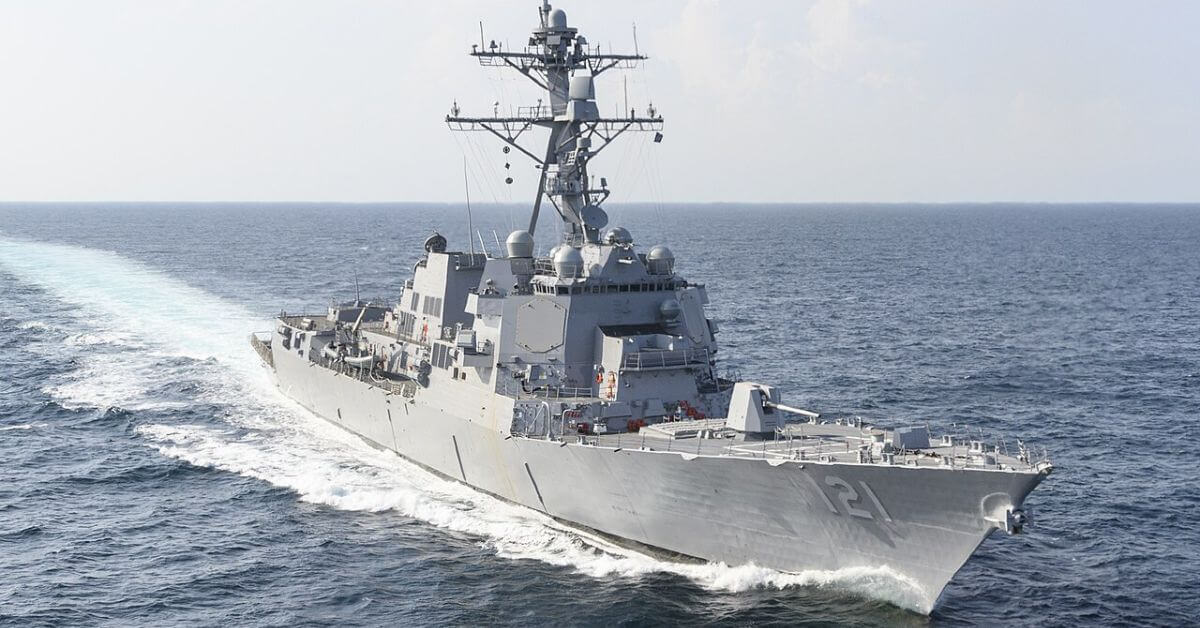
A 300-day deployment is not merely a test of endurance; it is a calibration of capability. The return of the USS Frank E. Petersen Jr. to Pearl Harbor after ten months at sea in the Pacific theater provides a rare, validated dataset, not just of naval readiness, but of sustained operational presence in a region where ocean intelligence is increasingly a strategic asset. This is what integrated, real-time data collection looks like when it is measured in months, not hours.
We see this deployment as a practical demonstration of how long-duration platforms can serve dual purposes: security and science. While the destroyer's primary mission was naval, every day at sea generates empirical information about ocean conditions, climate indicators, and maritime traffic patterns that no short-term survey can replicate. Compare this to the recent mission of the deep-sea drilling ship Mengxiang completes first mission, setting deep-sea drilling benchmark, which returned to Guangzhou after a single scientific trip. Both vessels gathered critical data, but the Petersen's 300-day patrol offers a longitudinal perspective that the Mengxiang's targeted drilling cannot. The difference is not one of quality but of scope: sustained presence versus focused expedition. Together, they represent two essential legs of an integrated data ecosystem.
The practical implication for our readers is straightforward. For researchers and policymakers tracking climate indicators in the Pacific, this deployment provides a calibrated baseline of environmental and human activity over nearly a full seasonal cycle. For those concerned with maritime security, the return of the Petersen coincides with escalating demand for naval escorts in other theaters, the EU is currently urging member states to send more warships to the Red Sea as merchant vessels wait for protection amid renewed hostilities, as reported in EU Urges Naval Reinforcements as Red Sea Escort Demand Escalates. The contrast is instructive: one region benefits from a completed, predictable deployment; another faces an open-ended requirement for force multiplication. The Petersen's crew returns to a home port, while the Red Sea mission asks for reinforcements without a clear end date.
What we are left with is a specific question: how do we ensure that the data from such deployments, calibrated, peer-reviewed, and measurable, feeds into a shared ocean intelligence framework rather than remaining siloed within a single navy's operational logs? The destroyer's return is a concrete point of success, but the open question is whether the empirical value of those 300 days will be integrated into the broader scientific and policy community. That is the detail to watch: not the ship's arrival, but what arrives with it.