8 dead, 17 Missing As Passenger Ferry With 267 People Sailing From Cyprus To Turkiye Sinks
Our take
The recent sinking of the passenger ferry *Filo Jet* en route from Cyprus to Türkiye, resulting in tragic loss of life and numerous missing individuals, underscores the increasing fragility of maritime transport in a complex geopolitical environment. This incident, occurring in the Eastern Mediterranean, echoes a concerning trend highlighted by recent events. Just weeks prior, a Cargo Ship With 12 Crew Sinks In Black Sea Off Romania Following Suspected Drone Attack demonstrated the vulnerability of commercial vessels to emerging threats, while the grounding of a Ghost Ship Damaged By Ukrainian Drones Drifts Across Black Sea & Runs Aground In Turkiye further illustrated the escalating risk of unmanned aerial systems impacting maritime operations. The confluence of these events suggests a systemic shift, demanding a reevaluation of safety protocols and risk mitigation strategies across the region.
The investigation into the *Filo Jet* sinking will undoubtedly focus on immediate factors such as seaworthiness, adherence to safety regulations, and the specific sequence of events leading to the vessel taking on water. However, a comprehensive analysis must also consider the broader operational context. The Eastern Mediterranean is a region characterized by heightened political tensions, increased military activity, and evolving maritime traffic patterns. The proliferation of remotely piloted vehicles, both civilian and military, introduces a new layer of complexity and potential hazard. While the precise cause of the *Filo Jet* incident remains undetermined, the cumulative evidence suggests a heightened operational risk environment requiring proactive measures. Validated risk assessments, incorporating real-time data on maritime traffic, weather conditions, and potential threats, are becoming increasingly critical for safe and reliable transport. Furthermore, the incident highlights the need for integrated data ecosystems that can fuse information from various sources—satellite imagery, radar data, and vessel tracking systems—to provide a comprehensive operational picture.
Beyond the immediate human tragedy, the sinking of the *Filo Jet* has significant implications for regional trade and maritime security. The Eastern Mediterranean is a vital conduit for energy transport and commercial goods, and disruptions to maritime traffic can have cascading economic consequences. The increased risk of incidents, whether due to natural disasters, technical failures, or malicious acts, necessitates enhanced maritime domain awareness and improved search and rescue capabilities. Calibrated responses, based on empirical data and peer-reviewed assessments, are essential for minimizing disruption and ensuring the safety of seafarers and passengers. The integrated nature of global trade means that vulnerabilities in one region can quickly impact others, emphasizing the importance of collaborative efforts to enhance maritime safety and security across international boundaries. Longitudinal data collection and analysis, focused on identifying trends and patterns, will be crucial for developing predictive models and proactive risk mitigation strategies.
The incident also compels a critical examination of the regulatory frameworks governing passenger ferry operations in the region. While international maritime conventions provide a baseline of safety standards, enforcement and implementation can vary. A climate indicators assessment, incorporating factors such as increasing storm intensity and sea-level rise, should inform future regulations and vessel design. The question moving forward is not simply how to respond to these incidents as they occur, but how to proactively build resilience into maritime systems. What further investments in sensor technology, data analytics, and collaborative platforms will be required to establish a truly robust and adaptive ocean intelligence network, capable of anticipating and mitigating emerging maritime risks in an increasingly volatile world?
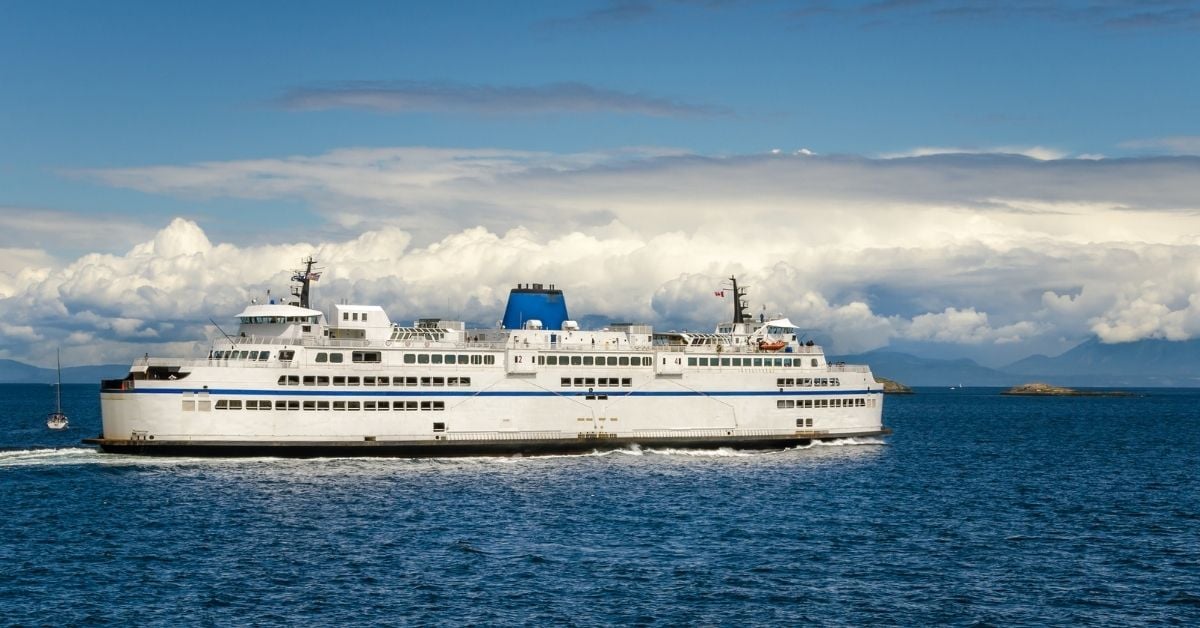
A passenger ferry sailing from Cyprus’s Girne (Kyrenia) Port to Tasucu Port in Turkiye sank after taking on water, as authorities investigate the cause of the incident.
The vessel was carrying 267 people, of which 250 have been rescued, and 8 have died while the search and rescue operation is ongoing for the 17 missing individuals.
The ferry was to sail to its destination on Saturday; however, it began its journey on Sunday because of rough weather conditions.
The first wave hit the ship, and while the captain was trying to maintain stability and save the vessel, it began to get flooded with water and then came the second wave, which ultimately led to its sinking.
Some reports also suggest that the captain of FILO JET had seen that water was gushing inside from the rear of the vessel and tried to sail back to the Port of Girne, but he could not do so.
FILO JET left Girne at 12:30 pm and began taking on water 4 nautical miles off the port.
PM Unal Ustel of the Turkish Republic of Northern Cyprus (TRNC) said that all the resources have been employed and a help desk has also been established. Wounded individuals were taken to hospitals and the Health Ministry is also monitoring their situation.
The Coast Guard, the Police, Security Forces of TRNC and other organisations have responded to the disaster.
Four TRNC Coast Guard vessels, a passenger vessel AKGUNKER 3, 5 Turkiye Coast Guard Ships and 2 helicopters, and 6 naval units from the Turkish naval forces were dispatched to the scene. A diving team and two Turkish naval vessels are also supporting the search and rescue.
A few people jumped into the waters when the ship started flooding. Civilian vessels sailing nearby rushed to the scene to assist the injured.
Authorities have expressed condolences to the families of those who died in the incident. Türkiye is following the incident, and the investigation is also expected to begin soon.
Read on the original site
Open the publisher's page for the full experience