marine science
marine science on World Data Ocean: a running collection of 105 stories we have gathered and hand-picked because they are worth your time. Every post here touches on marine science in some way — the news, the analysis, the deep dives, and the occasional surprise find. A Global Hub for Ocean Intelligence 4 World Data Ocean is a centralized digital platform where researchers, scientists, and ocean enthusiasts converge to explore, analyze, and… New stories are added to this page as we find them, so check back if you want to keep up with what is happening around marine science, or subscribe to the RSS feed to get them as soon as they are published. Browse the collection below, or head back to the homepage to see everything World Data Ocean is covering right now.
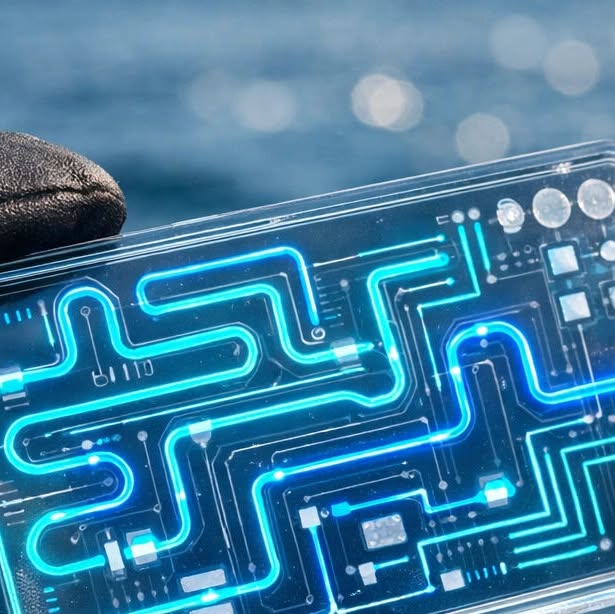
Imagine shrinking a whole marine chemistry lab down to the size of your thumb. That’s exactly what’s happening with "Lab...
Imagine condensing an entire marine chemistry lab into a device the size of your thumb. This is the transformative potential of Lab-on-a-Chip (LoC) technology, revolutionizing oceanography. Traditionally, high-quality chemical and biological data collection required extensive ship time and manual sampling. Now, these compact, autonomous sensors can be seamlessly integrated into ocean gliders and buoys, delivering real-time measurements of pH, nutrients, and trace metals, even in remote areas.

Ever wonder what’s actually swimming in those deep blue waters without having to catch a single fish? Welcome to the era...
Ever wonder what lies beneath the ocean's surface without needing to catch a single fish? Welcome to the era of 'Ocean CSI.' At World Data Ocean, we are harnessing the power of environmental DNA (eDNA) to transform our understanding of marine ecosystems. By deploying autonomous underwater vehicles (AUVs) to collect water samples, we can detect DNA traces from marine life, enabling us to identify rare species and monitor biodiversity trends in real-time.
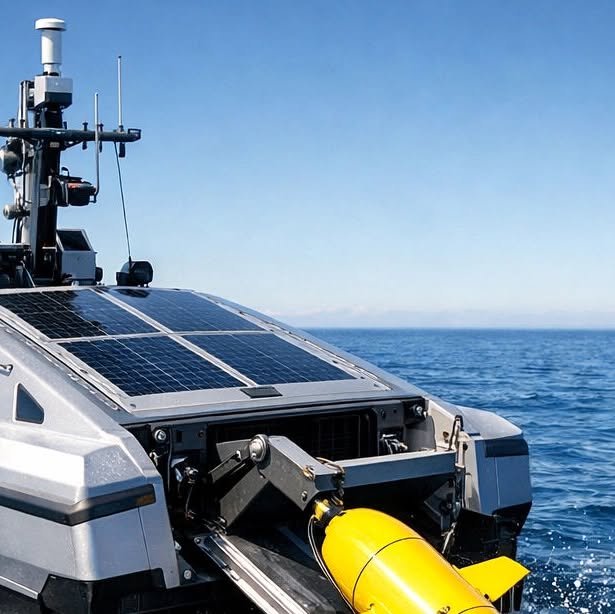
Imagine a team of scientists that never sleeps, doesn't get seasick, and explores the deepest corners of our blue planet...
Imagine a team of scientists that operates tirelessly, exploring the deepest corners of our blue planet without the constraints of seasickness or fatigue. This is the reality of autonomous marine science today, where surface vessels act as mobile hubs, deploying fleets of underwater gliders and aerial drones in a synchronized effort to map our oceans. At World Data Ocean, we transform the data collected from these advanced technologies into validated ocean intelligence, enhancing our understanding and stewardship of marine environments like never before.
Going from MFA in Visual Development to Marine Biology! Career advice?
Transitioning from a career in visual development to marine biology is both exciting and achievable. Your background in the arts, coupled with your passion for marine life, provides a unique perspective that can enrich the field. Start by leveraging your volunteer experience at the aquarium to gain insight and connections. Consider entry-level positions that value diverse skill sets, even if they don't require a science degree. If pursuing further education, research programs that recognize your existing qualifications.
How bad is the market for marine science right now? I am looking at going back to college for it.
As you contemplate returning to college for marine science, specifically in biological oceanography, it's essential to understand the current job market in this field. Marine science offers exciting opportunities, but it faces challenges, including competition and funding constraints. Many positions require advanced degrees, such as a PhD, particularly in research. Your background in digital communications and your renewed commitment to math can enhance your skill set. It’s crucial to weigh potential financial investments against your passion, ensuring a balance between personal fulfillment and employability post-graduation.
College suggestions?
If you’re currently studying marine science at Jacksonville University but are considering more affordable options like Coastal Carolina University (CCU), you’re not alone. Many students explore this transition due to financial concerns. Sharing experiences from those who have attended CCU can provide valuable insights into the program's quality and its alignment with your academic goals. It’s essential to weigh the benefits and challenges of each institution to determine if CCU is the right fit for your marine science education.
Ocean Data Factory Webinar - Law as Facilitator (or Obstacle) for Science-based Marine Governance
Join us for the Ocean Data Factory Webinar, "Law as Facilitator (or Obstacle) for Science-based Marine Governance." This session will explore the vital interplay between legal frameworks and marine science, addressing how laws can both enhance and hinder effective ocean governance. Experts will share insights on integrating scientific data into policy-making, emphasizing the need for collaboration across disciplines. By understanding these dynamics, we can better navigate the challenges of marine stewardship and foster a sustainable future for our oceans.
Ocean Data Factory Webinar - Opening up marine science
Join us for the Ocean Data Factory Webinar, where we will explore the transformative potential of open marine science. This session aims to enhance collaboration and innovation by providing access to validated ocean intelligence and integrated data ecosystems. Experts will share insights on how empirical methodologies and real-time data can drive informed decision-making and foster global stewardship of our oceans. Together, we can unravel complex challenges, ensuring a sustainable future for marine environments. Your participation is vital to advancing our collective understanding and responsibility.
Webinar: HUB Ocean Getting Started on the Ocean Data Platform Marine Science Edition
Join us for the "HUB Ocean: Getting Started on the Ocean Data Platform - Marine Science Edition" webinar. This session will provide an introduction to the Ocean Data Platform, showcasing its innovative capabilities for marine science research. Learn how to leverage integrated data ecosystems to enhance your understanding of ocean health and climate indicators. Our experts will guide you through the platform's features, emphasizing collaborative opportunities for researchers and ocean enthusiasts alike.