endangered species
endangered species on World Data Ocean: a running collection of 4 stories we have gathered and hand-picked because they are worth your time. Every post here touches on endangered species in some way — the news, the analysis, the deep dives, and the occasional surprise find. A Global Hub for Ocean Intelligence 4 World Data Ocean is a centralized digital platform where researchers, scientists, and ocean enthusiasts converge to explore, analyze, and… New stories are added to this page as we find them, so check back if you want to keep up with what is happening around endangered species, or subscribe to the RSS feed to get them as soon as they are published. Browse the collection below, or head back to the homepage to see everything World Data Ocean is covering right now.

Microparticle ingestion by the endangered marine otter (Lontra felina) in a human-impacted coastal ecosystem
Microplastic pollution poses a significant, validated threat to marine ecosystems, particularly for endangered species. This study empirically assessed microparticle ingestion by the endangered marine otter (*Lontra felina*) across three human-impacted coastal localities in Peru. Analysis of scat samples revealed a prevalence of microparticles, with Pucusana exhibiting the highest concentration. Dominant particle types included fibers, primarily polypropylene.
Correction: Gray whales (Eschrichtius robustus) in San Francisco Bay experience high mortality and have limited affiliation to known foraging groups
Recent data reveal concerning mortality rates among gray whales ( *Eschrichtius robustus* ) within San Francisco Bay, coupled with a notable lack of association with established foraging groups. This observation presents a significant challenge to understanding population dynamics and conservation strategies. Our analysis, based on longitudinal tracking, underscores the need for further investigation into the factors contributing to this trend. For deeper exploration of coastal ecosystem interactions, see our related article, "Tourism and coastal fisheries interaction."
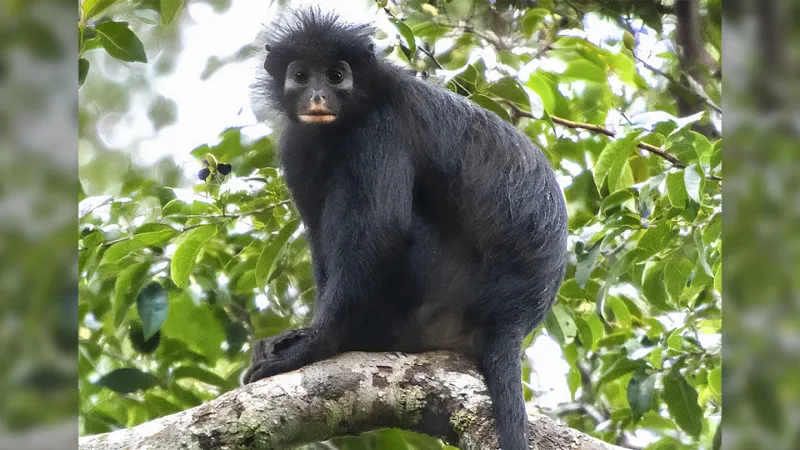
A new monkey species has been found deep in Congo’s forests
Deep within the Congo's dense forests, a new primate species has been definitively identified through a combination of unique vocalizations, photographic evidence, and DNA analysis. This discovery, representing a significant contribution to biodiversity understanding, highlights the ongoing potential for uncovering previously unknown life forms. Initial assessments suggest this species may already face extinction risks, underscoring the urgency of conservation efforts. Further research into habitat restoration, as explored in our article "In search of resilient sponges," is crucial for protecting vulnerable ecosystems.
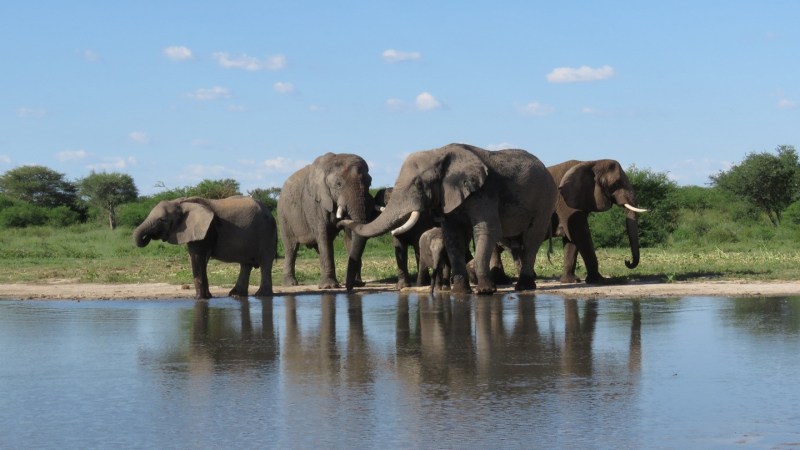
Elephants can relearn how to live wild after years in captivity
Following years of captivity, elephants demonstrate a remarkable capacity for relearning wild behaviors, according to recent research. A study documenting the rehabilitation of 11 elephants revealed striking behavioral parallels between these individuals and their wild counterparts, validating the potential for successful reintroduction programs. This empirical evidence underscores the resilience of these animals and offers valuable insights for conservation efforts. For further exploration of ecological data analysis, see our related article, "Limitations of using the canopy to infer the structure and functioning of giant kelp forests."