Carbon cycle
Carbon cycle on World Data Ocean: a running collection of 3 stories we have gathered and hand-picked because they are worth your time. Every post here touches on carbon cycle in some way — the news, the analysis, the deep dives, and the occasional surprise find. A Global Hub for Ocean Intelligence 4 World Data Ocean is a centralized digital platform where researchers, scientists, and ocean enthusiasts converge to explore, analyze, and… New stories are added to this page as we find them, so check back if you want to keep up with what is happening around carbon cycle, or subscribe to the RSS feed to get them as soon as they are published. Browse the collection below, or head back to the homepage to see everything World Data Ocean is covering right now.

NOAA Releases SOCAT and GLODAP Data to Advance Ocean Carbon Monitoring - environment coastal & offshore
NOAA has released updated versions of the Surface Ocean CO₂ Atlas (SOCAT) and the Global Ocean Data Analysis Project (GLODAP) datasets, representing a significant advancement in ocean carbon monitoring. These peer-reviewed, integrated data ecosystems provide validated, real-time measurements crucial for understanding the ocean's role as a climate regulator. The releases bolster efforts to quantify the ocean carbon sink, as detailed in a related article from NOAA's National Centers for Environmental Information. These resources empower researchers and policymakers with empirical data to inform climate action strategies.
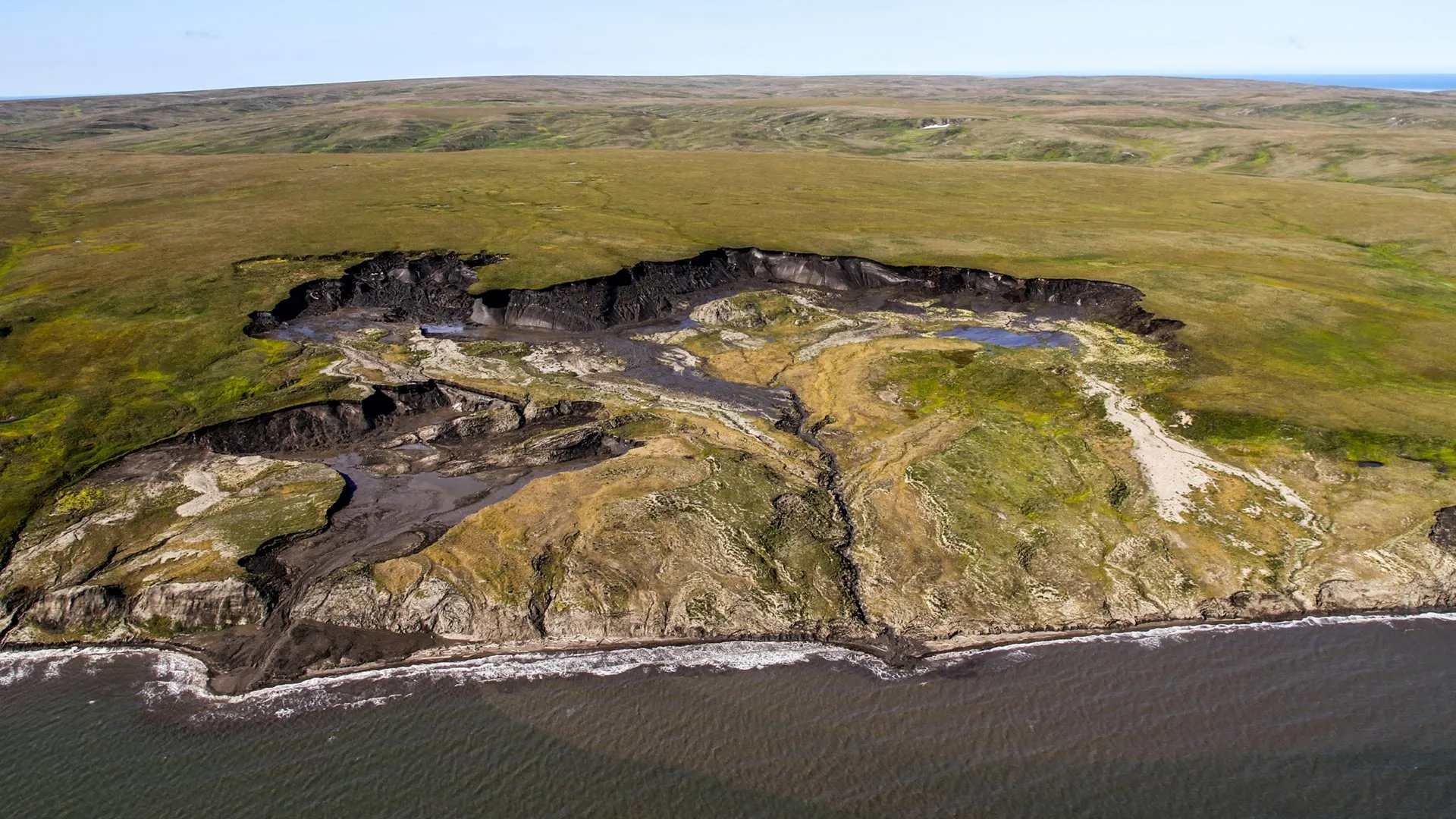
Ancient Arctic carbon is pouring into the sea, but the seabed captures most of it
Thawing Arctic permafrost is releasing ancient carbon into the ocean, prompting concerns about accelerated climate change. However, recent analysis of sediment cores near Herschel Island, Canada, reveals a reassuring mitigation: approximately 90% of this land-derived carbon is captured and buried within the seabed. Only a small fraction, roughly 10%, is converted into greenhouse gases. This discovery highlights a crucial, previously underestimated, natural process. For further exploration of innovative ocean technologies, see our coverage of the "Camera 1: 2026 Cook Islands ROV Exploration (EX2605)."
PHYS.Org: Ocean acidification emerging as a planetary signal linking today's carbon emissions to Earth's deep-time memory
Emerging research, detailed in *Earth Science Reviews*, reveals ocean acidification is manifesting as a planetary signal, directly linking contemporary carbon emissions to Earth’s geological record. This validated connection underscores the profound and lasting impact of human activity on marine systems. The findings demonstrate how shifts in ocean chemistry are leaving measurable, longitudinal traces, providing critical climate indicators. For further exploration of oceanographic methodologies, consider our discussion on assessing Mediterranean Sea temperature trends using Argo float data.