US-Sanctioned Tanker With Iranian Crude Changes Destination Midway From India To China
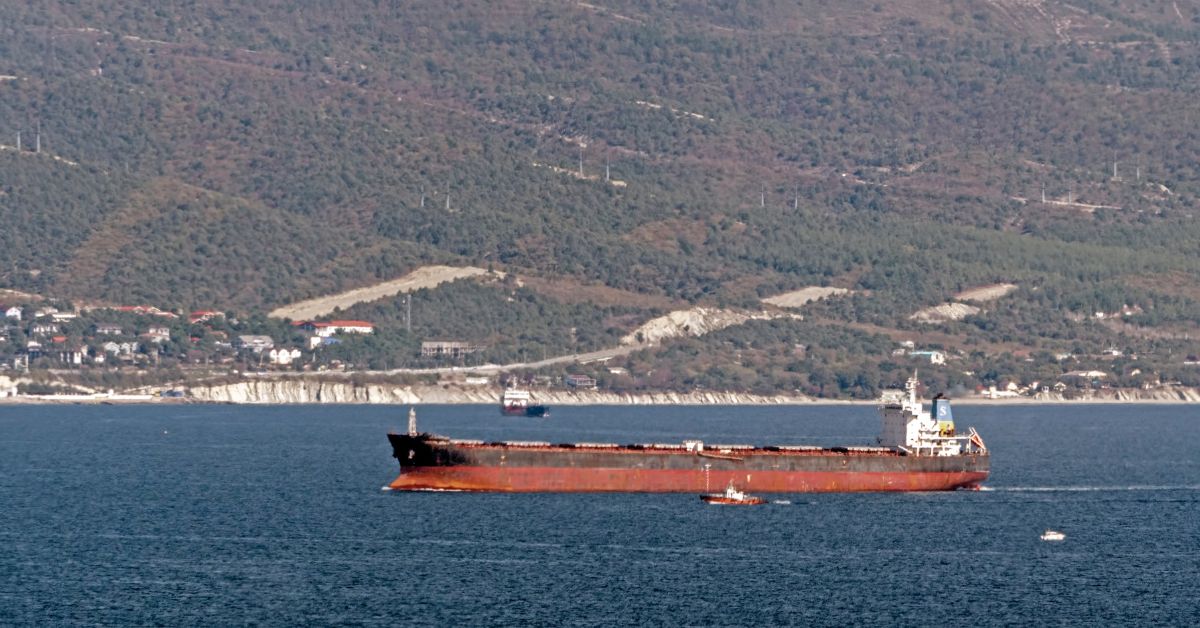
An oil tanker sanctioned by the U.S. in 2025 and sailing with 600,000 barrels of Iranian crude oil changed its destination mid-voyage from India to China.
This rerouting decision is payment-related as sellers are moving away from the previous 30 to 60-day payment window or upfront or near term-settlement of dues.
Ping Shun, an Aframax Tanker, constructed in 2002, is sailing to its new destination, Dongying in China instead of Vadinar in India’s Gujarat, which it indicated when it left Kharg Island around March 4, 2026.
However, there is no confirmation that the destination is final, as it may change anytime during the voyage.
If Ping Shun had reached India, this shipment would have been the first Iranian crude bought by India since 2019.
India was a principal buyer of Iranian Oil and imported massive volumes of Iranian light and heavy grades.
After the U.S. imposed stricter sanctions in 2018, imports from Iran stopped in May 2019.
Now that America has waived sanctions on the purchase of Iranian oil at sea for 30 days to stabilise oil prices, which soared due to the closure of Hormuz and the US-Iran war, Indian refiners are showing interest in buying Iranian oil before the window expires on April 19, 2026.
Although the U.S. waiver allows nations to buy Iranian oil, it remains unclear how the payments will be processed since Iran is not a part of SWIFT, a global messaging network used by banks and other financial organisations to send and receive transaction information.
Earlier, payments for Iranian oil were done in Euros through an intermediary, a Turkish bank, but that is not possible now.
As of now, approximately 95 million barrels of Iranian oil are at sea, of which 51 million barrels could be sold to India, and the rest might end up in China and other Southeast Asian nations.
Iran was removed from the SWIFT system in 2012 after EU sanctions over its nuclear programme, which restricted its financial transactions.
In 2018, the US also reimposed sanctions, which led to the suspension of many Iranian banks, which limited Iran’s ability to conduct trade, receive payments and access foreign currency reserves.
Want to read more?
Check out the full article on the original site