Three Largest Oil Tankers Carrying 2 Million Barrels Each Enter Hormuz Via Unusual Route
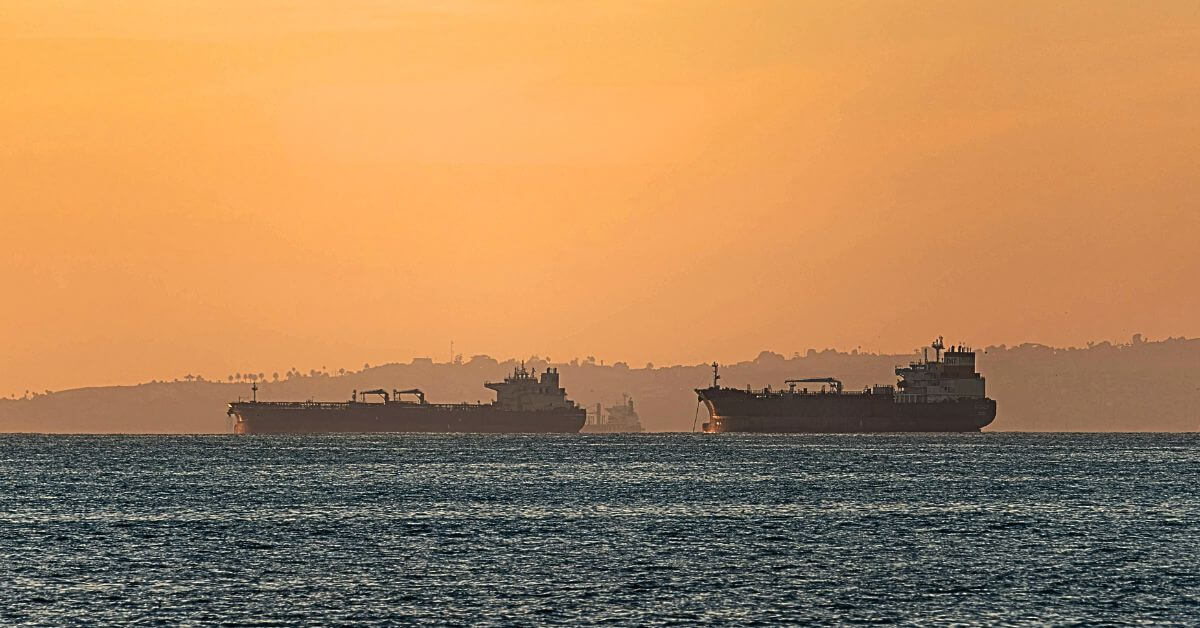
Three large vessels, including two oil supertankers and one liquefied natural gas (LNG) carrier, appeared to enter the Strait of Hormuz by sailing close to Oman’s coastline, suggesting a different route from the one currently linked to Iran.
Satellite data showed the ships heading east into the strait on Thursday while broadcasting Omani ownership.
All three vessels are managed by Oman Ship Management Company, according to the Equasis marine database. The company could not be reached for comment.
The Strait of Hormuz has been mostly restricted since the conflict began on February 28, following US and Israeli strikes on Iran and the response from Tehran.
In recent days, Iran has allowed limited transit for ships linked to friendly countries through a northern route passing between Larak and Qeshm islands.
The three vessels in this case appeared to avoid that path. Instead, they followed a southern route along Oman’s coast, staying outside the main shipping lanes and away from the Iranian-controlled corridor where ships are believed to require approval.
Iran is also working on a system to charge vessels for passing through the strait, with fees reported to be as high as $2 million per voyage. The northern route is also considered difficult for very large crude carriers due to its shallow waters and tighter turns.
The ships involved are among the largest types of oil tankers. Each of the crude carriers is carrying around 2 million barrels of oil.
One loaded its cargo in Saudi Arabia in late February and listed its destination as Kyaukpyu in Myanmar, which connects to pipelines supplying oil to western China. The other tanker is carrying crude from Abu Dhabi to an undisclosed destination.
The LNG carrier appeared to be empty, based on tracking data, and could be the first gas vessel to leave the Gulf since the conflict started.
All three ships stopped transmitting their positions at around 9:30 a.m. London time as they approached or passed the Musandam Peninsula, which extends into the Strait of Hormuz. It is not confirmed whether they completed the transit, although such a crossing usually takes a few hours.
Tracking ship movements in the area has become more difficult due to heavy signal jamming and spoofing.
At the same time, Iran and Oman are discussing a possible system to monitor ship traffic through the strait. Iran’s Deputy Foreign Minister Kazem Gharibabadi said a protocol is being drafted, but Oman has not confirmed its position.
The situation has already affected global oil markets, with prices rising as the key shipping route remains disrupted.
The United Nations Security Council is expected to vote on a proposal related to the Strait of Hormuz. Earlier plans that included the option of military action were removed after objections from Russia and China.
References: Bloomberg, ndtv
Want to read more?
Check out the full article on the original site