World’s Second Hydrogen-Powered Cruise Ship Launched By Fincantieri
Our take
The launch of the *Viking Astrea*, the world’s second hydrogen-powered cruise ship, represents a significant, albeit early, step toward decarbonizing a sector historically reliant on heavy fuel oil. Fincantieri’s commitment to this technology, with delivery slated for May 2027 and an initial Mediterranean and Northern Europe itinerary, signals a growing recognition of the environmental impact of cruise tourism. This development arrives against a backdrop of increasing scrutiny and regulatory pressure concerning emissions from maritime transport, and comes as UNESCO warns there’s close to a 100% chance of a Mediterranean tsunami [UNESCO warns there’s close to a 100% chance of a Mediterranean tsunami], highlighting the vulnerability of coastal regions – often cruise destinations – to climate-related events. The broader implications extend beyond just one cruise line, potentially influencing shipbuilding practices and passenger expectations across the industry. The move also aligns with global efforts to reduce carbon footprints, a challenge increasingly addressed through technological innovation, as seen in initiatives like Kochi’s ambition to become a global ship repair hub [Kochi Set To Become Global Ship Repair Hub With Mega Joint Venture Worth INR 1,800 Crore], demonstrating a wider shift toward sustainable maritime infrastructure.
While hydrogen propulsion holds considerable promise, it’s crucial to acknowledge the current limitations. The *Viking Astrea* will likely utilize liquid hydrogen, presenting logistical and infrastructural challenges related to production, storage, and bunkering. The efficiency of hydrogen fuel cells and the overall carbon footprint associated with hydrogen production – particularly if derived from fossil fuels – remain key considerations. Furthermore, the scale of hydrogen adoption within the cruise industry will depend on the availability of green hydrogen, produced through renewable energy sources. The existing infrastructure, largely designed for traditional fuels, requires substantial investment and recalibration to accommodate hydrogen. Understanding how changes in sea level variability might impact the operational environment is also crucial, as evidenced by research on extreme sea level projections in western Europe [Contributions from sea level variability changes to extreme sea level projections in western Europe]. Data-driven assessments of these factors will be essential for ensuring the long-term viability and safety of hydrogen-powered vessels.
The transition to hydrogen propulsion is not solely an engineering challenge; it’s also an economic one. The initial investment costs for hydrogen-powered ships are significantly higher than those for conventional vessels, which could initially impact ticket prices and passenger demand. However, as technology matures and economies of scale are realized, the cost gap is expected to narrow. Moreover, increasingly stringent environmental regulations and growing consumer awareness of sustainability are likely to incentivize both cruise lines and passengers to embrace cleaner alternatives. The development of an integrated data ecosystem, capable of monitoring and validating the environmental performance of these vessels in real-time, will be essential for building trust and ensuring accountability. Such a system would leverage empirical data to demonstrate tangible reductions in emissions and contribute to a more transparent and sustainable cruise tourism sector.
Ultimately, the *Viking Astrea* represents a proof-of-concept, a demonstration of the feasibility of hydrogen propulsion in a demanding maritime environment. It’s a step, though a substantial one, on a longer journey toward decarbonizing the cruise industry and aligning it with global climate goals. The challenge now lies in accelerating the development of green hydrogen infrastructure, refining hydrogen fuel cell technology, and fostering international collaboration to establish standardized safety protocols and regulatory frameworks. A crucial question remains: can the industry achieve a truly circular economy model, minimizing waste and maximizing resource efficiency throughout the entire lifecycle of these vessels, from construction to decommissioning?
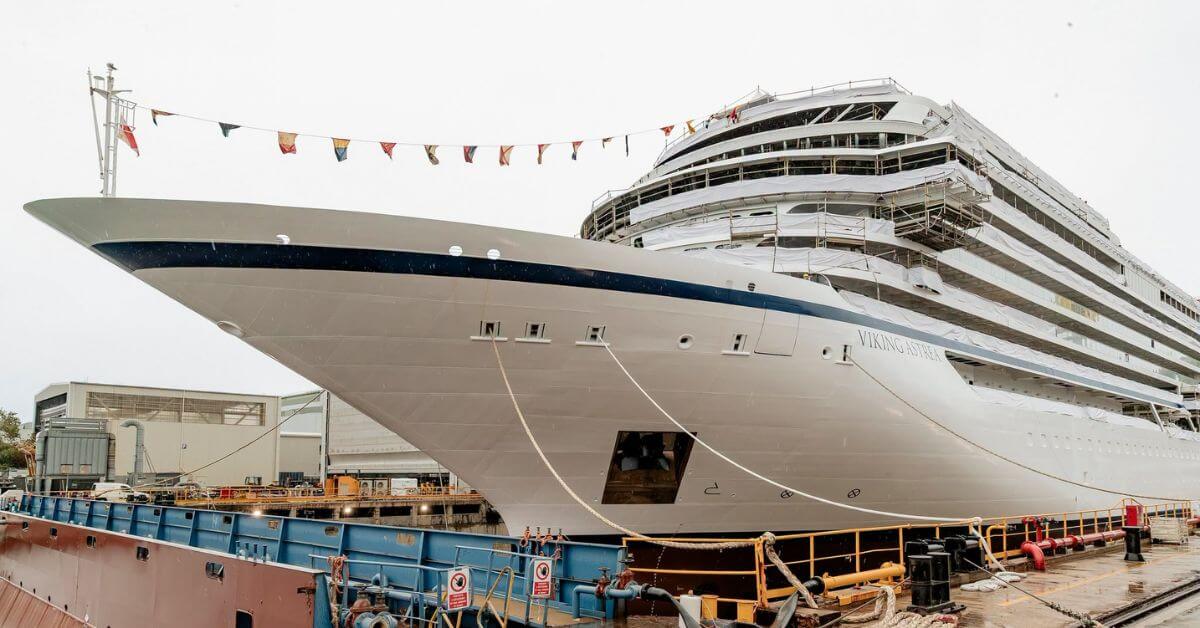
Viking has floated out its second hydrogen-powered cruise ship, Viking Astrea, at Fincantieri’s Ancona Shipyard in Italy.
The float-out marks the first time the ship has touched water and moves it into the final stage of construction.
Viking Astrea is due to be delivered in May 2027 and will spend its first season sailing in the Mediterranean and Northern Europe.
The ship will use a hybrid propulsion system that combines liquefied hydrogen and fuel cells. The system will produce up to 6 megawatts (MW) of power and will allow the ship to operate with zero emissions, according to Viking.
The system is being developed and supplied by Isotta Fraschini Motori (IFM), a Fincantieri subsidiary that specialises in advanced fuel cell technology.
Viking said the zero-emission capability will allow Viking Astrea to operate in even the most environmentally sensitive areas.
The float-out ceremony was held at Fincantieri’s Ancona Shipyard. It started when a ceremonial cord was cut, allowing water to enter the ship’s building dock.
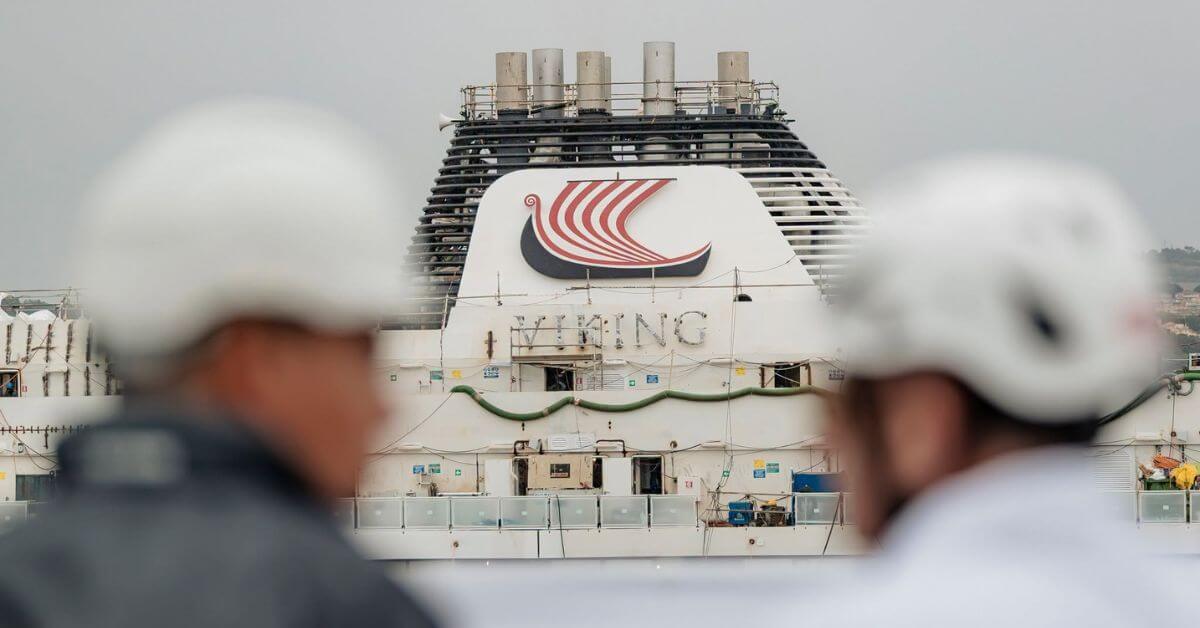
The process will take two days. Once the ship is afloat, it will be moved to a nearby outfitting dock. Work on the ship’s final construction and interiors will then continue.
Viking Astrea has a gross tonnage of about 54,300 tons. The ship will have 499 staterooms and can accommodate up to 998 guests.
It is classified as a small ship, as are all Viking ocean ships.
The vessel is a sister ship in Viking’s ocean fleet. Its propulsion system combines liquefied hydrogen and fuel cells and will have a power output of up to 6 MW.
The float-out comes after Viking unveiled the Viking Libra in March.
Viking describes Viking Libra as the world’s first hydrogen-powered cruise ship capable of operating with zero emissions. The ship is scheduled for delivery in November 2026.
Reference: vikingcruises
Read on the original site
Open the publisher's page for the full experience