Video: US Kills 4 In Strike On Suspected Drug-Smuggling Boat In Caribbean, Death Toll Hits 227
Our take
The recent U.S. strikes targeting suspected drug-smuggling vessels in the Caribbean, resulting in the deaths of four individuals following a previous incident that claimed two lives, underscore a growing complexity in maritime security and international law enforcement. These actions, occurring within a broader context of escalating drug trafficking activities in the region, highlight the challenges of interdiction efforts and the potential for lethal force in addressing transnational crime. The incidents also resonate with recent events demonstrating the precariousness of maritime operations, such as the tragic case of the Turkish seafarer who died after a drone strike on the vessel that had previously rescued him from an earlier Black Sea attack Turkish Seafarer Dies After Drone Hits Ship That Rescued Him From Earlier Black Sea Attack. The increasing use of unmanned aerial systems in maritime environments, while offering potential advantages for surveillance, introduces new risks of unintended consequences and escalations.
The scale of the problem is significant, as evidenced by recent seizures and arrests. Spanish authorities recently apprehended ten members of a drug trafficking group and seized a substantial quantity of hashish following an attack on a patrol boat 5926 Kg Hashish Seized By Spain & 10 Drug Mafia Gang Members Arrested Following Attack On Patrol Boat. Furthermore, the ongoing efforts to modernize port infrastructure, as demonstrated by the launch of Latin America’s first shore power system at Peru’s Port of Callao Latin America’s First Shore Power System Launched By DP World At Peru’s Port Of Callao, indicates a broader, multifaceted approach to maritime security that extends beyond direct interdiction efforts. However, these advancements must be balanced against the human cost and legal implications of employing lethal force at sea. The use of military force against suspected criminals on the high seas raises significant questions regarding sovereignty, due process, and the potential for collateral damage, particularly given the often-complex identities and circumstances of those involved in these operations.
The legal framework governing maritime interdiction is complex, relying on international agreements and national laws that can be subject to varying interpretations. The U.S. maintains that these strikes were conducted in self-defense, following encounters where vessels allegedly posed an imminent threat to U.S. personnel. However, the lack of transparency surrounding these incidents and the limited opportunity for independent verification raise concerns about accountability and adherence to international legal standards. The increasing reliance on kinetic force, rather than less-lethal methods of interdiction, also warrants careful consideration. While the objective of disrupting drug trafficking networks is undeniably important, the potential for unintended consequences and the erosion of trust in international law enforcement must be carefully weighed. The sheer number of casualties – 227 deaths attributed to these operations – represents a significant human toll that demands a rigorous evaluation of the strategies employed.
Looking ahead, the escalation of maritime security measures and the increasing use of force in combating drug trafficking pose a critical challenge to the stability and security of the region. The efficacy of these strategies, alongside their legal and ethical implications, requires continuous monitoring and recalibration. A key question to watch is whether these incidents will prompt a reassessment of international cooperation and the development of more effective, less-lethal methods for addressing transnational crime at sea, or if we will witness a further normalization of lethal force in this challenging operational environment. The need for validated data and empirical analysis to inform policy decisions in this area is paramount, ensuring that interventions are both effective and aligned with international legal frameworks.
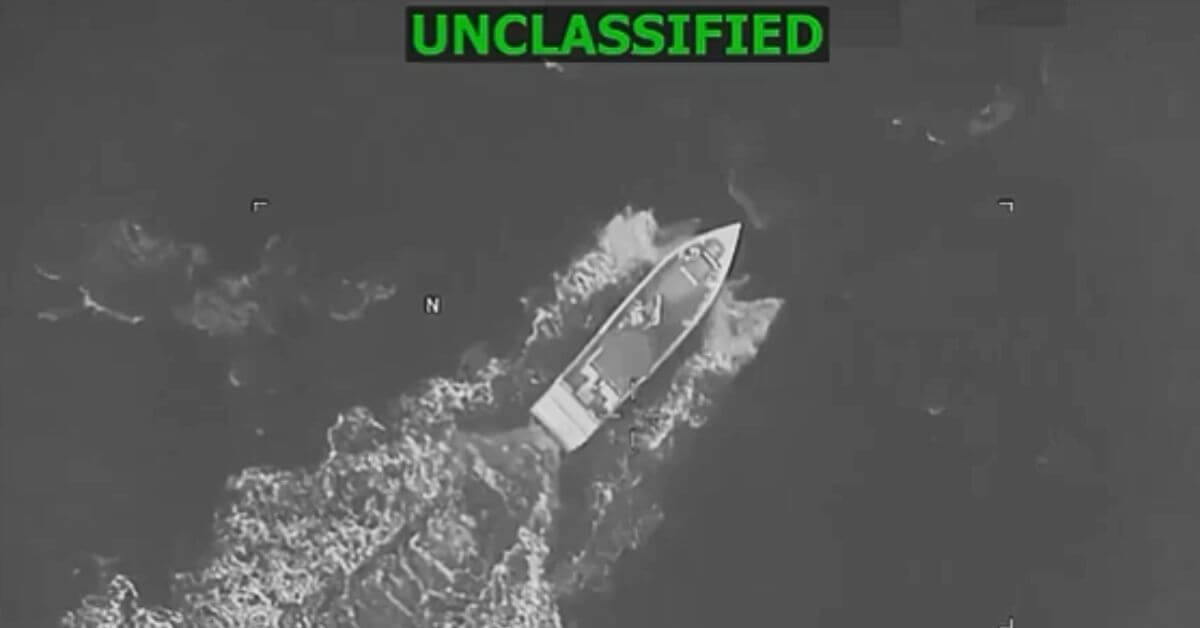
The U.S. military has killed four people in a strike on a suspected drug-smuggling boat in the Caribbean, according to U.S. Southern Command.
The strike was carried out on Aug. 25 and brings the total number of people killed in U.S. strikes on suspected drug-trafficking boats to at least 227.
There have been 68 such strikes since the campaign began almost a year ago.
Two days earlier, a U.S. strike on a suspected drug-trafficking vessel in the Eastern Pacific killed two people. It was the first such strike in more than two months.
U.S. Southern Command said Joint Task Force Western Hemisphere carried out the latest attack on a go-fast boat using an established drug-trafficking route in the Caribbean.
The command said intelligence showed that the boat was involved in drug trafficking.
However, no evidence was provided that drugs were on the boat. The military also did not release details about the four people who were killed.
A video shared by Southern Command on X showed what appeared to be a moving boat followed by a flash.
“Joint Task Force Western Hemisphere continues executing precise, lethal operations against the cartels. We will hunt, disrupt, and defeat these narco-terrorist networks. SOUTHCOM is resolved to neutralizing cartel terror and violence throughout the region and into the U.S.… pic.twitter.com/Kj4k9onYxx
— U.S. Southern Command (@Southcom) August 26, 2026
Southern Command Commander Gen. Francis L. Donovan said the task force would continue its operations against cartel groups.
The U.S. military has been targeting suspected cartel vessels in the Atlantic and Pacific since September. The strikes are part of President Donald Trump’s campaign against drug trafficking.
Trump has said the U.S. is in “armed conflict” with cartels in Latin America. He has also defended the strikes as a way to stop drugs from entering the United States and contributing to fatal overdoses.
The campaign has been criticised by the United Nations and humanitarian groups. They have described the strikes as extrajudicial killings.
Questions have also been raised over the legality of the attacks and whether they are effective.
A 2020 report by the U.S. Drug Enforcement Administration said 74% of cocaine entering the United States came through the Pacific. It said 8% came through fast boats from the Caribbean.
There have also been questions about the focus on boat strikes because fentanyl, which is linked to many fatal overdoses in the United States, is usually smuggled into the country over land from Mexico. Mexico produces fentanyl using chemicals imported from China and India.
During a visit to Panama this month, Defense Secretary Pete Hegseth said Colombia, Guatemala and Honduras had agreed to allow U.S. forces to conduct joint military operations against criminal groups on their territory.
Guatemala later denied reaching such an agreement. Ecuador began similar operations with the United States in March.
References: theguardian, foxnews
Read on the original site
Open the publisher's page for the full experience