US Accuses Chinese Shipping Giant Of Using Concealed Equipment To Gather Military Intelligence
Our take
The recent accusations leveled by the United States against Chinese shipping giant COSCO, alleging the deployment of concealed equipment on vessels to gather military intelligence, represent a significant escalation of concerns regarding maritime security and the potential weaponization of critical infrastructure. This situation underscores the vulnerabilities inherent in globalized supply chains and the increasingly blurred lines between commercial shipping and strategic intelligence gathering. The alleged activity, allowing for the collection of communication signals from ships and aircraft across vast regions, highlights a calculated effort to exploit civilian maritime traffic for military advantage. This echoes growing anxieties regarding undersea infrastructure, as demonstrated by [Australia Investigates Damage To 2 Critical Undersea Communication Cables Off Perth], and the potential for disruption or compromise of essential communication networks. Furthermore, incidents like the [Explosion At Port Of Rotterdam’s Refinery & Fuel Terminal Kills 1 & Injures Several Others] serve as stark reminders of the inherent risks and fragility of port operations, and how those risks can be amplified by malicious actors.
The implications extend far beyond the immediate accusations. The sheer scale of COSCO’s operations – managing a vast fleet of container ships traversing international waters – provides a uniquely advantageous platform for covert surveillance. The ability to intercept and analyze communication signals offers valuable intelligence on naval deployments, military exercises, and even civilian communication patterns. This capability, if proven, fundamentally alters the strategic landscape, creating a new dimension of vulnerability for nations reliant on secure maritime communications. The reliance on global shipping networks, while essential for international trade and economic stability, also creates inherent risks. The recovery of a [German Police Recover Broken 20 Meter Wind Turbine Blade Drifting In North Sea] demonstrates the challenges of maintaining situational awareness and security in increasingly complex maritime environments. The ease with which components, and potentially sensitive equipment, can be transported across borders demands greater vigilance and enhanced monitoring protocols.
The response from both the US and China will be critical in shaping the future of maritime security. The US is likely to intensify scrutiny of Chinese shipping activities and may implement stricter regulations regarding port access and vessel inspections. China, in turn, will likely deny the allegations and may seek to portray the US actions as an attempt to contain its economic and military influence. However, the very nature of the accusations – involving sophisticated technology concealed within ostensibly civilian vessels – makes definitive proof difficult to obtain, potentially leading to a protracted period of diplomatic tension and heightened security measures. The lack of transparency surrounding maritime operations, particularly those involving state-owned enterprises, further complicates the situation. A calibrated and collaborative approach involving international maritime organizations and nation-states is essential to address these evolving threats.
Looking ahead, the incident serves as a catalyst for a re-evaluation of maritime security protocols and the integration of advanced monitoring technologies. The rise of ocean intelligence, leveraging real-time data from satellites, underwater sensors, and autonomous vehicles, offers a powerful means of detecting and mitigating these risks. Investment in validated, empirical data collection and analysis will be crucial to ensure accurate assessments of maritime activity and to calibrate effective responses. A key question moving forward is whether this incident will prompt a broader international consensus on establishing clear guidelines and regulations regarding the deployment of sensitive equipment on commercial vessels, safeguarding both maritime security and the integrity of global trade.
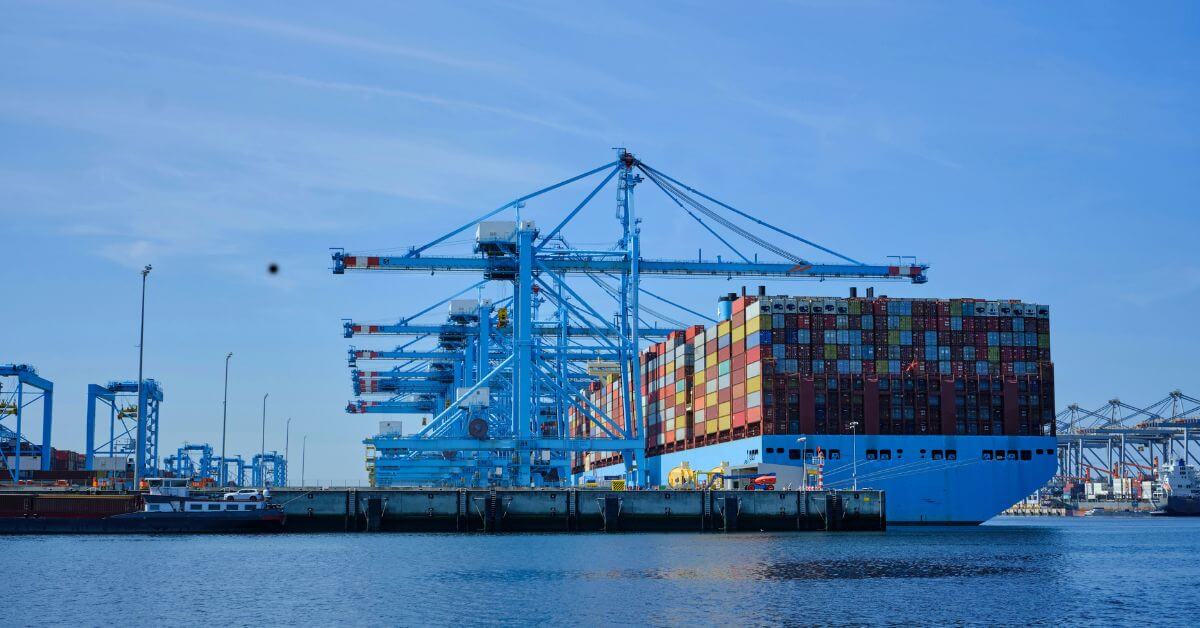
The US administration has accused Chinese state-owned shipping company COSCO of using hidden equipment on its ships to collect military communications near the coasts of the US and other countries.
They said COSCO has been working with Beijing to gather intelligence for decades. The arrangement allegedly allows China to collect communication signals from ships and aircraft across Europe, North America and Asia.
One official said the equipment was used to gather information about military communications and encryption technology.
The officials did not say what type of equipment was being used. They described it as advanced intelligence-gathering equipment, not normal communications equipment.
They said the operation also allows Beijing to monitor key shipping lanes and maritime routes used for trade and military activities.
Officials said the information collected could help China track foreign military movements, provide early warnings and strengthen its position in territorial disputes.
China’s embassy in Washington denied the allegations. It said the Chinese government would never ask a company or individual to collect intelligence abroad in violation of local laws.
The U.S. Department of Defense added COSCO to its list of Chinese military companies in January 2025. The Pentagon said the list includes companies that support China’s military-civil fusion strategy.
The designation can affect COSCO’s reputation and access to U.S. government contracts, but it does not impose formal sanctions.
In a Jan. 22, 2025 letter, senior members of two House committees asked the U.S. Coast Guard about possible risks linked to COSCO’s role in the U.S. maritime transportation system.
The lawmakers raised concerns about possible espionage, cyberattacks, sabotage and supply-chain disruption.
Naval War College Report Examined Chinese Ships
A report published by the China Maritime Studies Institute at the U.S. Naval War College in April 2025 looked at the possible use of Chinese fishing and commercial ships for intelligence and surveillance.
The report said People’s Liberation Army experts had supported placing intelligence personnel on Chinese ships operating abroad.
It said the PLA could use China’s distant-water fishing fleet and Chinese-owned or operated merchant ships for intelligence, surveillance and reconnaissance.
However, the report did not say that COSCO ships were involved in the specific intelligence activities alleged by Trump administration officials.
It said Chinese vessels operating overseas were likely already carrying personnel responsible for collecting and reporting intelligence.
These personnel could gather military and political information while working abroad, according to the report.
It also said similar arrangements may already exist in China’s commercial shipping industry. The report mentioned the recruitment of maritime intelligence specialists from shipping workers in Beihai city in Guangxi province.
COSCO Remains Important to US Trade
COSCO is still one of the biggest shipping companies operating at US ports. It also has several joint ventures that provide container terminal services in the United States.
Because of its role in US trade, taking action against COSCO could be difficult for Washington.
Isaac Kardon, an expert on Chinese maritime strategy at Johns Hopkins School of Advanced International Studies, said the US government could find it difficult to take strong action because COSCO is closely linked to US trade networks.
China’s National Intelligence Law, passed in 2017, requires Chinese organisations and citizens to support state intelligence work when required.
The Trump administration had earlier planned to impose billions of dollars in port fees on Chinese shipping companies, including COSCO. The plan was aimed at supporting US shipbuilding and the maritime industry.
The plan was later paused after Trump and Chinese President Xi Jinping agreed to a one-year trade truce. The agreement is expected to expire later in 2026, and the two leaders may discuss extending it.
US officials have not publicly provided evidence to support their claims.
References: Reuters, twz
Read on the original site
Open the publisher's page for the full experience