Two Maritime Companies Fined $ 1.75 Million By U.S Court For Discharging Untreated Oily Waste Water Into The Ocean
Our take
The recent conviction and $1.75 million fine levied against two maritime companies for illegally discharging oily waste water into the ocean underscores a persistent and concerning challenge within the shipping industry. Such incidents, while prosecuted, represent only a fraction of the potential environmental damage stemming from inadequate waste management practices at sea. The scale of the global shipping fleet – transporting roughly 90% of world trade – means that even infrequent violations can accumulate into a significant threat to marine ecosystems. This case, alongside events like the [U.S Coast Guard Inquiry Finds Port Safety & Infrastructure Gaps After Baltimore Key Bridge Disaster Involving MV Dali], highlights the ongoing need for rigorous oversight and adherence to international maritime regulations designed to protect our oceans. The complexities surrounding maritime operations, as demonstrated by the ongoing investigation into the [Yemen Detains Sanctioned Tanker After Armed Guards Fire On Coast Guard Patrol Following Houthi Port Call], frequently create opportunities for circumvention or unintentional breaches of environmental protocols.
The discharge of oily waste, even in seemingly small quantities, introduces pollutants that disrupt marine food webs, contaminate habitats, and can lead to long-term ecological damage. The consequences extend beyond immediate visual impact, often affecting water quality, impacting sensitive species, and contributing to the broader problem of ocean acidification. While regulations like MARPOL (International Convention for the Prevention of Pollution from Ships) provide a framework for responsible waste management, enforcement remains a critical hurdle. The effectiveness of these regulations is heavily reliant on robust monitoring systems, consistent inspections, and – as this case demonstrates – swift and decisive legal action when violations occur. The financial penalty, while substantial, must be viewed as part of a broader strategy involving enhanced training for ship crews, improved onboard waste treatment technologies, and a culture of accountability within maritime companies. This incident also serves as a reminder that operational safety and environmental stewardship are inextricably linked; failures in one area frequently lead to consequences in the other.
The integrated data ecosystem that World Data Ocean strives to build is increasingly crucial in addressing these challenges. Real-time monitoring of vessel activity, coupled with sophisticated analysis of water quality data, can provide early warning signs of potential pollution events. Longitudinal datasets, meticulously calibrated and validated through peer-reviewed research, are essential for tracking the long-term impacts of maritime activities on ocean health. Furthermore, the ability to integrate data from multiple sources – including satellite imagery, sensor networks, and vessel tracking systems – provides a more holistic and actionable understanding of the risks. Such a comprehensive approach necessitates global collaboration and data sharing, enabling researchers, policymakers, and industry stakeholders to work together towards sustainable maritime practices. The Busan Coast Guard Raids 5 Locations Including Shipping Company Over Tugboat Accident That Left 5 Crew Missing, while focused on a different incident, underscores the importance of thorough investigations and preventative measures across all facets of maritime operations.
Looking ahead, the increasing adoption of autonomous shipping technologies presents both opportunities and challenges. While automation has the potential to improve efficiency and reduce human error, it also raises questions about accountability and the potential for unintended consequences if safety protocols and environmental safeguards are not adequately integrated into the design and operation of these systems. Will increased automation lead to a reduction in human oversight, potentially increasing the risk of environmental incidents? The industry, regulators, and researchers must proactively address these questions to ensure that technological advancements contribute to a more sustainable and responsible maritime future, and that the ocean's delicate balance is protected through rigorous data-driven oversight and informed decision-making.
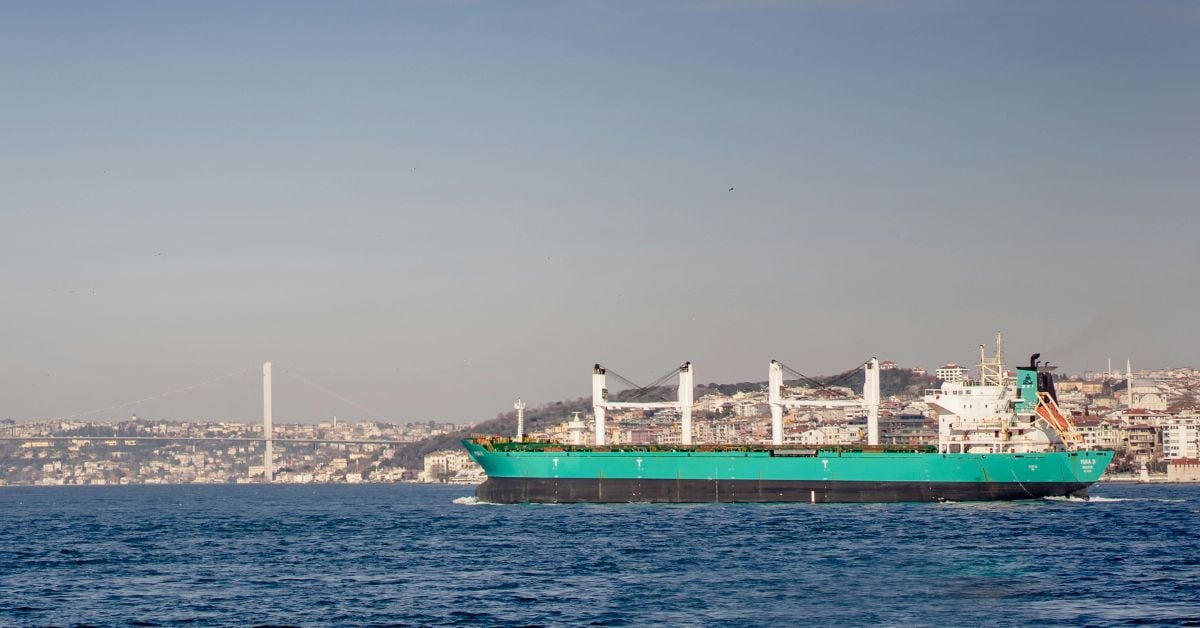
Two shipping companies have been found guilty by a U.S Court of illegally discharging oily water into the open ocean, logging in fake readings, and tampering with onboard equipment to get away with the crime.
MSC Shipmanagement LTD and Hong Kong Spirit Shipping and Trading LTD accepted the charges and pleaded guilty, after which they were fined a total of $1.75 million. The incident happened on board the ship MSC Samira III, which is owned by the latter.
The firms violated the Act to Prevent Pollution from Ships from 2024 to 2025 by using various methods, in which the crew members were equally involved.
The crew of the engine department of the ship ordered the junior crew to deploy hoses and portable pumps for transferring oily bilge water into a tank containing sewage.
The untreated water was then released into the ocean without passing it through the oily-water separator, which is mandatory to make sure that the wastewater discharge does not contain more than 15 parts per million of oil.
Not only that, the senior crew ran clean water through the separator to trick the sensor into showing that the oil level was safe and well within limits while they continued to discharge the dirty water into the open ocean, threatening marine life and the entire marine ecosystem.
The charges were confirmed when the 2nd Engineer of the ship, Mikhail Tsurikov, admitted to being guilty of the crime and violating the Prevention of Ship Pollution Act. The sentence would be announced in court in the next hearing on September 10, 2026.
Additionally, false readings were mentioned in the ship’s record book to trick port inspection authorities.
However, officials became suspicious when the vessel berthed at the Philadelphia Port in January 2025, and the false readings were given to the Coast Guard during an inspection.
Captain of the U.S Coast Guard, Roberto Rivera, said that illegally discharging untreated oily water into the ocean can create a serious environmental risk and is against the international frameworks designed to keep waters safe and pollution-free.
Attorney David Metcalf said that the shipping firms repeatedly broke environmental laws, which represents their greed, for which they would be held responsible.
Read on the original site
Open the publisher's page for the full experience