These deep-sea spiders give off an otherworldly glow
Our take
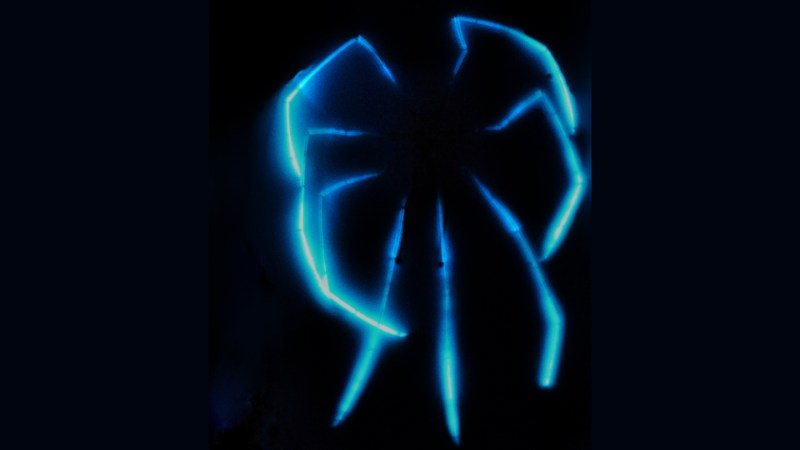
The recent discovery of bioluminescent sea spiders in a deep-sea trench off the Australian coast offers a fascinating glimpse into the largely unexplored biodiversity of our planet’s oceans. These creatures, formally known as pycnogonids, are often overlooked despite their unique morphology and ecological roles. The fact that their glow might have been documented as early as the 19th century underscores how much historical observation can be reinterpreted through modern scientific understanding. It also highlights the potential for revisiting older records to uncover overlooked biological phenomena. The sheer remoteness of these deep-sea environments, often exceeding depths of 6,000 meters, presents significant logistical challenges to exploration, making each new discovery all the more remarkable. Understanding the function of this bioluminescence is crucial; it could be used for attracting prey, deterring predators, or even communication within the species – a field of study that resonates with the broader investigations into deep-sea communication detailed in Ripple Effects | Marine Matters | One Planet Academy.
The implications of this finding extend beyond the simple novelty of a glowing spider. It speaks to the incredible adaptive pressures that shape life in extreme environments, where light is scarce and resources are limited. Bioluminescence is a common adaptation in the deep sea, but the specific mechanisms and purposes can vary widely. Further research into the chemical compounds responsible for the sea spider's glow could yield valuable insights for biomedical applications, similar to how discoveries in marine organisms have historically led to advancements in pharmaceuticals. Moreover, the discovery adds another layer of complexity to our understanding of deep-sea food webs and the interconnectedness of these ecosystems. The deep sea is increasingly recognized as a critical regulator of global climate patterns, as explored in our previous editorial Editorial: Global responses of marine ecosystems to extreme environmental changes: marine and coastal environments under extreme stress, volume II, and changes within these seemingly isolated environments can have far-reaching consequences. The potential for unexpected interactions and cascading effects underscores the need for careful monitoring and responsible stewardship.
The challenges of studying these organisms *in situ* are considerable. Bringing specimens to the surface can alter their physiology and disrupt the bioluminescent properties, making laboratory analysis difficult. Non-invasive techniques, such as remotely operated vehicles (ROVs) equipped with specialized cameras and sensors, are essential for observing these creatures in their natural habitat. Integrated data ecosystems, incorporating data from various sources – satellite observations, underwater sensors, and biological samples – are becoming increasingly important for creating a holistic picture of deep-sea biodiversity. This approach aligns with our commitment to providing ocean intelligence, validated through empirical data, to inform policy and conservation efforts. The technical advancements allowing for these observations are continually evolving, as illustrated by the possibilities explored in considering whether a whale could swallow a person whole, Could a whale swallow a person whole?, which requires precise calibration of environmental factors and biological responses.
Ultimately, the discovery of these glowing sea spiders serves as a potent reminder of how much remains to be learned about the deep ocean. It underscores the urgent need for increased investment in deep-sea exploration and research, particularly given the growing pressures from human activities such as deep-sea mining and fishing. As we strive to understand and protect our oceans, it is imperative that we prioritize the collection of longitudinal data and rigorous, peer-reviewed scientific assessments. A critical question moving forward is: how can we effectively balance the pursuit of scientific knowledge with the need to minimize disturbance to these fragile and largely unknown ecosystems, ensuring that future discoveries are not overshadowed by irreversible damage?
Read on the original site
Open the publisher's page for the full experience