The ‘little brain’ may give the aging mind a big boost
Our take
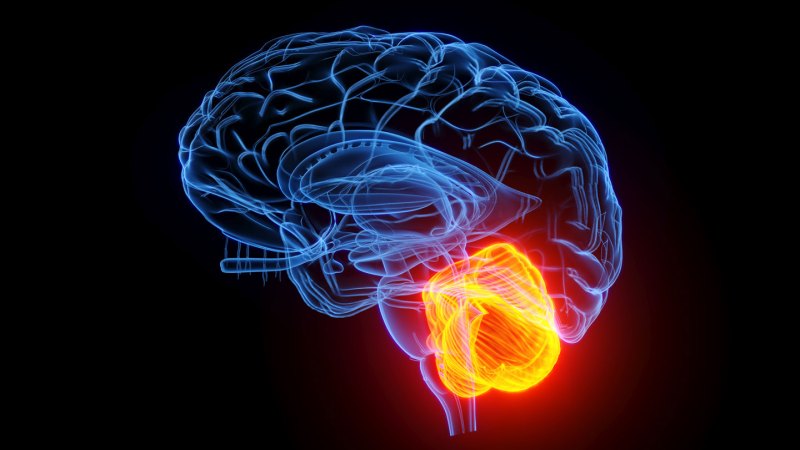
The recent discovery highlighting the cerebellum’s potential to compensate for cognitive decline with age presents a compelling and nuanced development in neuroscience. Traditionally viewed as primarily responsible for motor control and coordination, mounting evidence suggests this “little brain” possesses a far more expansive role in cognitive function than previously understood. This finding builds upon a growing body of research questioning simplistic models of brain compartmentalization and underscores the remarkable plasticity of the human brain. It’s particularly relevant given the increasing global concern around age-related cognitive decline and neurodegenerative diseases. Furthermore, this research gains context when considered alongside recent findings detailing the potential negative impacts of digital device overuse on cognitive health, as explored in The truth about brain rot, according to science. Understanding how the brain adapts and compensates for challenges, whether those challenges are inherent to aging or externally imposed, is critical for developing effective preventative and therapeutic strategies.
The implications of cerebellar compensation are significant, shifting the focus from solely addressing deficits in areas like the hippocampus and prefrontal cortex to investigating the potential for leveraging existing neural resources. This doesn't diminish the importance of research into those core cognitive regions – rather, it suggests a more integrated approach to neuroprotection and cognitive enhancement. The cerebellum’s capacity for neuroplasticity, its ability to reorganize itself by forming new neural connections throughout life, could be harnessed to mitigate the effects of age-related neuronal loss or damage in other brain regions. While the precise mechanisms underlying this compensatory function are still being elucidated, the preliminary data points to a complex interplay of neural circuits and signaling pathways. Consider this discovery in relation to the challenges facing the maritime industry, as outlined in Iran To Charge Service Fee For Ships Passing Through Strait Of Hormuz. Both scenarios – the aging brain and geopolitical instability – demand adaptive strategies and highlight the value of resilience in complex systems.
The study’s contribution lies not only in identifying this potential for cerebellar compensation but also in providing a framework for future research. Longitudinal studies, employing validated cognitive assessments and advanced neuroimaging techniques, will be essential to fully characterize the dynamics of this process and to determine the extent to which it can be enhanced. Furthermore, empirical investigations are needed to examine the influence of lifestyle factors—such as exercise, diet, and cognitive training—on cerebellar function and its capacity for cognitive support. The knowledge gleaned from these studies could inform the development of targeted interventions aimed at promoting healthy brain aging and delaying the onset of cognitive impairment. It is also crucial to consider the differential impact of this compensatory mechanism across various populations and genetic backgrounds. The complexities of neurological disease, as highlighted by research into the vulnerability of specific brain cells in multiple sclerosis – Why some brain cells are particularly vulnerable to multiple sclerosis – reminds us of the need for granular precision in understanding these processes.
Ultimately, this research represents a paradigm shift in our understanding of brain function and aging. It challenges the traditional view of the brain as a static and inflexible organ and reinforces the importance of a holistic approach to brain health. While the prospect of harnessing cerebellar function to bolster cognitive resilience is exciting, it’s crucial to approach this development with measured optimism and rigorous scientific scrutiny. What remains to be seen is whether this cerebellar-mediated compensation can be reliably and safely induced or enhanced through targeted interventions, and whether such interventions can significantly impact the trajectory of age-related cognitive decline on a population level. The ongoing investigation into the brain's adaptive capabilities promises to yield invaluable insights into the nature of intelligence and the potential for extending cognitive vitality throughout the lifespan.
Read on the original site
Open the publisher's page for the full experience