Sweden Signs $5 Billion Deal To Acquire Four Modern French Frigates
Our take
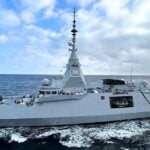
Sweden’s recent agreement to acquire four modern French frigates for a substantial $5 billion represents a significant shift in its maritime defense posture, reflecting a broader trend of increased naval investment across Europe. This acquisition, slated to deliver the first vessel by 2030, will dramatically bolster the Swedish navy’s capabilities, providing the largest vessels it has ever operated. The decision arrives amidst a heightened geopolitical climate, underscored by recent incidents in the Black Sea, such as the grounding of a cargo ship damaged by Ukrainian drones [Ghost Ship Damaged By Ukrainian Drones Drifts Across Black Sea & Runs Aground In Turkiye] and the sinking of another following a suspected drone attack [Cargo Ship With 12 Crew Sinks In Black Sea Off Romania Following Suspected Drone Attack]. These events highlight the escalating risks of maritime conflict and the increasing vulnerability of commercial shipping to asymmetric threats, prompting nations to reassess their maritime security strategies. Sweden’s commitment to bolstering its naval capacity is further contextualized by its recent donation of Coast Guard boats to Ukraine for mine clearance operations [Sweden Donates 10 Coast Guard Boats To Ukraine For Mine Clearance And Maritime Operations], demonstrating a proactive stance in supporting regional stability.
The selection of French frigates is noteworthy, suggesting a preference for advanced technology and interoperability within the European defense ecosystem. These vessels are expected to provide enhanced anti-submarine warfare (ASW) capabilities, air defense, and surface combat capabilities – all crucial for safeguarding Swedish territorial waters and protecting vital sea lanes. The long timeframe for delivery, extending into the 2030s, indicates a commitment to a sustained modernization program rather than a rapid, reactive response. This methodical approach allows for integration of the new frigates into existing Swedish naval doctrine and training protocols, ensuring optimal effectiveness. Furthermore, the sheer scale of the investment—$5 billion—signals a prioritization of maritime defense, acknowledging the growing importance of naval power in a changing global security landscape. The decision likely reflects a careful assessment of the evolving threat environment in the Baltic Sea region, considering factors such as Russian naval activity and the potential for hybrid warfare tactics.
Beyond the immediate military implications, this acquisition underscores Sweden's deepening integration within European security collaborations. It reinforces the country's commitment to collective defense and strengthens its position as a credible partner within NATO, following its recent accession to the alliance. The choice of French frigates also reflects a strategic alignment with France, a major European power with a significant naval presence. This collaboration could lead to increased joint training exercises, intelligence sharing, and interoperability improvements, further enhancing the overall security posture of both nations. The investment also signals an understanding that maritime security is not solely about military might, but also about maintaining freedom of navigation and protecting critical infrastructure, including subsea cables and energy pipelines, which are increasingly vulnerable to disruption.
Looking ahead, the integration of these advanced frigates into the Swedish navy will require significant investment in personnel training, logistical support, and cybersecurity infrastructure. The long-term impact on regional power dynamics warrants close observation, particularly regarding potential responses from neighboring countries. A key question remains: will this modernization spur further naval investment among other Baltic Sea nations, leading to a broader arms race, or will it foster a more stable and cooperative security environment through enhanced deterrence and interoperability? The effective integration of these new assets and the subsequent evolution of naval strategies in the Baltic Sea will be critical indicators of the long-term implications of this significant defense acquisition.


Sweden signed a €4.3 billion ($5 billion) deal with French shipbuilder Naval Group on Monday to buy four frigates.
The deal was signed during French President Emmanuel Macron’s visit to Stockholm. Swedish Prime Minister Ulf Kristersson also attended the signing ceremony.
The first frigate is expected to be delivered in 2030. The four ships will be the largest vessels in the Swedish navy.
The frigates will give Sweden long-range capabilities at sea and protection against ballistic missiles, Kristersson said.
The ships will be fitted with Aster 30 air-defence interceptor missiles and could also carry naval cruise missiles for long-range strikes, Macron said.
Sweden announced in May that it would buy the frigates from Naval Group in a deal worth about $4 billion. The purchase is expected to triple the country’s air-defence capacity.
Sweden strengthens military after Russia’s invasion
Sweden is building up its military after Russia’s invasion of Ukraine in 2022 led it to abandon its long-standing policy of neutrality.
The country is also NATO’s newest member. European governments have increased defence spending as they face pressure from the United States and growing uncertainty over whether they can rely on US support.
Macron said the deal would strengthen Europe’s defence industry and technology as countries take more responsibility for their security. He said the deal would also strengthen NATO’s European defence role.
Kristersson said European countries were taking more responsibility for their security and strengthening NATO’s European role.
France and Sweden deepen defence cooperation
Macron called the deal a major strategic partnership between France and Sweden. He said it would strengthen Europe’s defence efforts and deepen cooperation between the two countries.
Macron and Kristersson held talks aboard the Amiral Ronarc’h, the first ship in a new series of French “defence and intervention” frigates.
The vessel was launched in 2022 and delivered to the French navy in October 2025. Sweden is buying frigates of the same class.
The two leaders were also scheduled to hold a working dinner later on Monday.
The talks were also expected to cover Sweden’s participation in a French initiative to coordinate nuclear deterrence efforts with European allies.
Macron said Sweden would help support the Paris-led nuclear deterrence scheme, which aims to strengthen security in Europe.
References: Reuters, Le Monde
Read on the original site
Open the publisher's page for the full experience