Screening all kids for type 1 diabetes can catch more cases early
Our take
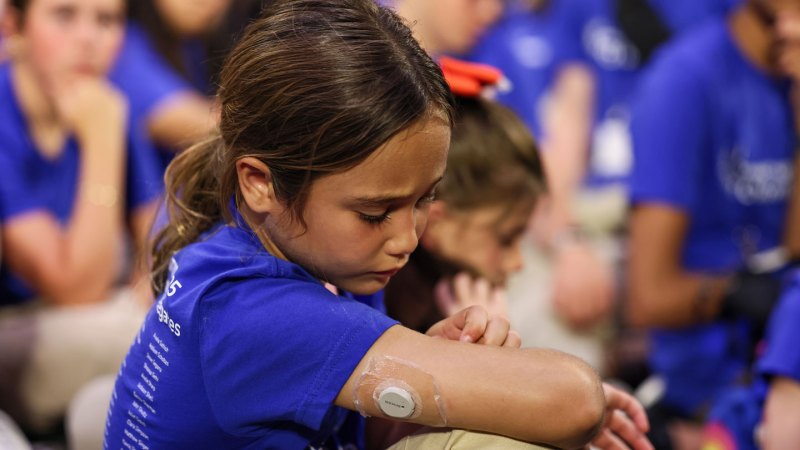
The recent study advocating for wider screening of children for type 1 diabetes is a significant advancement in pediatric healthcare, emphasizing the importance of early detection in improving health outcomes. This initiative not only highlights a growing awareness of the disease but also aligns with a broader trend in preventive health strategies. Early identification of type 1 diabetes can lead to timely interventions that mitigate the risks associated with the disease, ultimately enhancing the quality of life for affected children. The implications of such findings extend beyond individual health, echoing themes of responsibility and collaborative action, much like those discussed in our recent articles on ocean stewardship and global governance, such as A global treaty is a huge win for our blue planet, but let’s be real: a signed paper is only the beginning. 🌊 The High and The concept, mechanism and vision of global maritime security governance.
The pressing need for early detection of type 1 diabetes cannot be overstated. This autoimmune condition often manifests in children with few warning signs, leading to potentially life-threatening complications if not addressed swiftly. The study suggests that a more systematic approach to screening could lead to earlier diagnoses, allowing for better management of the disease through insulin therapy and lifestyle changes. Such proactive measures resonate with a purpose-driven ethos, showing that when we harness innovation and scientific authority, we can make substantial strides in public health. This aligns with our commitment to advancing knowledge and promoting well-being, similar to how marine genetic research is poised to impact sustainability and biodiversity conservation, as seen in Blue genes, green promises: linking marine gene patents to biotechnology and sustainable development.
The implications of widespread screening for type 1 diabetes also raise important questions about healthcare accessibility and equity. While the study underscores the benefits of early detection, it is crucial to consider how such screening programs can be implemented universally, particularly in underserved communities. The pursuit of equitable health solutions is a shared responsibility, reflecting the collaborative spirit necessary for tackling global challenges, whether they be in healthcare or environmental protection. The potential for innovation in screening methods and technologies opens avenues for more inclusive strategies, ensuring that all children, regardless of their socio-economic background, have access to the necessary care.
Looking ahead, the focus on early screening for type 1 diabetes presents both an opportunity and a challenge. As we strive for advancements in health policies and practices, stakeholders must remain vigilant about the broader context in which these developments occur. Will this initiative lead to a sustainable model that prioritizes not only early detection but also equitable access to treatment? The answers to these questions will shape the future landscape of pediatric healthcare and highlight our collective role in fostering a healthier society. As we continue to explore these intersections of health, technology, and collaboration, we must remain committed to driving impactful change that benefits all.
Read on the original site
Open the publisher's page for the full experience