Scientists say Beefalo are all beef, no -alo. Breeders disagree
Our take
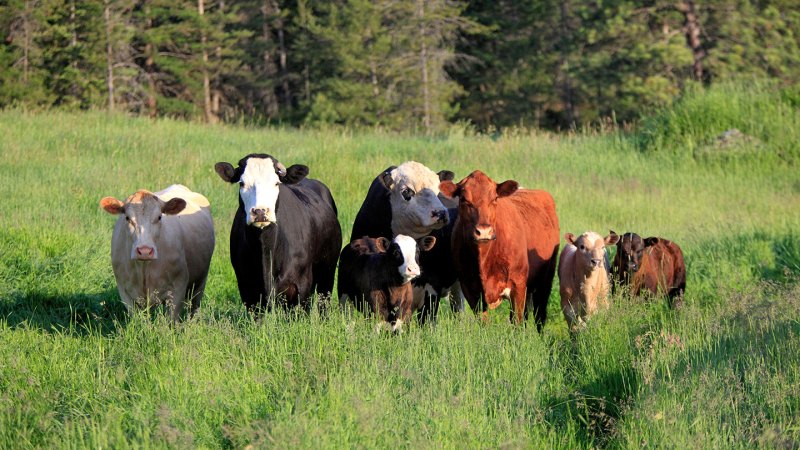
The recent findings regarding Beefalo, a hybrid of bison and cattle, present a fascinating, if somewhat surprising, case study in genetic inheritance and the complexities of selective breeding. A new whole-genome analysis suggests that many, if not most, Beefalo individuals demonstrate remarkably little bison DNA, challenging the conventional understanding of this crossbreed. This revelation underscores the unpredictable nature of hybridization and the potential for dominant traits to overshadow those of one parent species, even when intentional breeding aims for a balanced genetic contribution. The implications extend beyond livestock management; it serves as a potent reminder of the nuances inherent in genetic engineering and the challenges of achieving desired outcomes across generations. Consider, for instance, the intricate dynamics observed in Antarctic ecosystems, where phytoplankton and zooplankton communities are significantly shaped by interactions like sea-ice retreat, as detailed in the ROSSMIZE expedition: zooplankton community dynamics across the Antarctic spring–summer transition. Such ecological complexities parallel the genetic realities revealed in the Beefalo study.
The disagreement between the scientific study and Beefalo breeders adds another layer of intrigue. Breeders, who have traditionally touted the supposed benefits of the bison-cattle hybrid – increased cold hardiness, leaner meat, and disease resistance – are now confronted with evidence suggesting their animals may be functionally closer to purebred cattle. This discrepancy highlights the potential disconnect between phenotypic observations (the traits we see) and underlying genetic reality. It raises questions about the methods used by breeders to assess the bison content of their animals and the extent to which anecdotal evidence has shaped breeding practices. The situation is not entirely dissimilar to issues surrounding aquaculture, where researchers are exploring hormonal manipulation for enhanced spawning in aquaculture: advances, challenges, and future horizons to overcome limitations in traditional breeding – both fields grapple with the complexities of influencing and understanding genetic outcomes. The escalating geopolitical tensions, as exemplified by the recent incident of an Oil Tanker Hit By Unknown Projectile Catches Fire Off Oman Escalating U.S-Iran Conflict, further demonstrate the critical need for precise, data-driven understanding in complex systems, and this extends to the seemingly less consequential world of agricultural breeding.
From a broader scientific perspective, this Beefalo case underscores the importance of rigorous, empirical validation of long-held assumptions. While breeders may rely on generations of experience and observable traits, genomic analysis provides a level of precision previously unattainable. This approach is increasingly crucial across disciplines, from ecological monitoring to climate modeling, where relying solely on traditional observations can be insufficient. The study’s methodology, employing whole-genome sequencing, exemplifies the advancement of tools available to scientists, allowing for increasingly accurate assessments of genetic composition. Such integrated data ecosystems are vital for producing validated, measurable insights. The research exemplifies the kind of longitudinal, peer-reviewed analysis that is essential for advancing our understanding of biological systems, and reinforces the need to move beyond subjective assessments to data-driven conclusions.
Ultimately, the Beefalo story serves as a valuable lesson in the importance of continuous scientific inquiry. It compels us to re-evaluate our assumptions, embrace new methodologies, and acknowledge the potential for surprise, even in well-established fields. The disagreement between scientists and breeders highlights the necessity for open communication and collaboration, ensuring that breeding practices are informed by the most up-to-date genetic understanding. Looking ahead, it will be interesting to observe how Beefalo breeders respond to these findings – will they adapt their breeding programs to prioritize cattle traits, or will they seek to selectively breed for the elusive bison genes that purportedly confer desirable qualities?
Read on the original site
Open the publisher's page for the full experience