Scientists discover the strange way CO2 cools part of Earth’s atmosphere
Our take
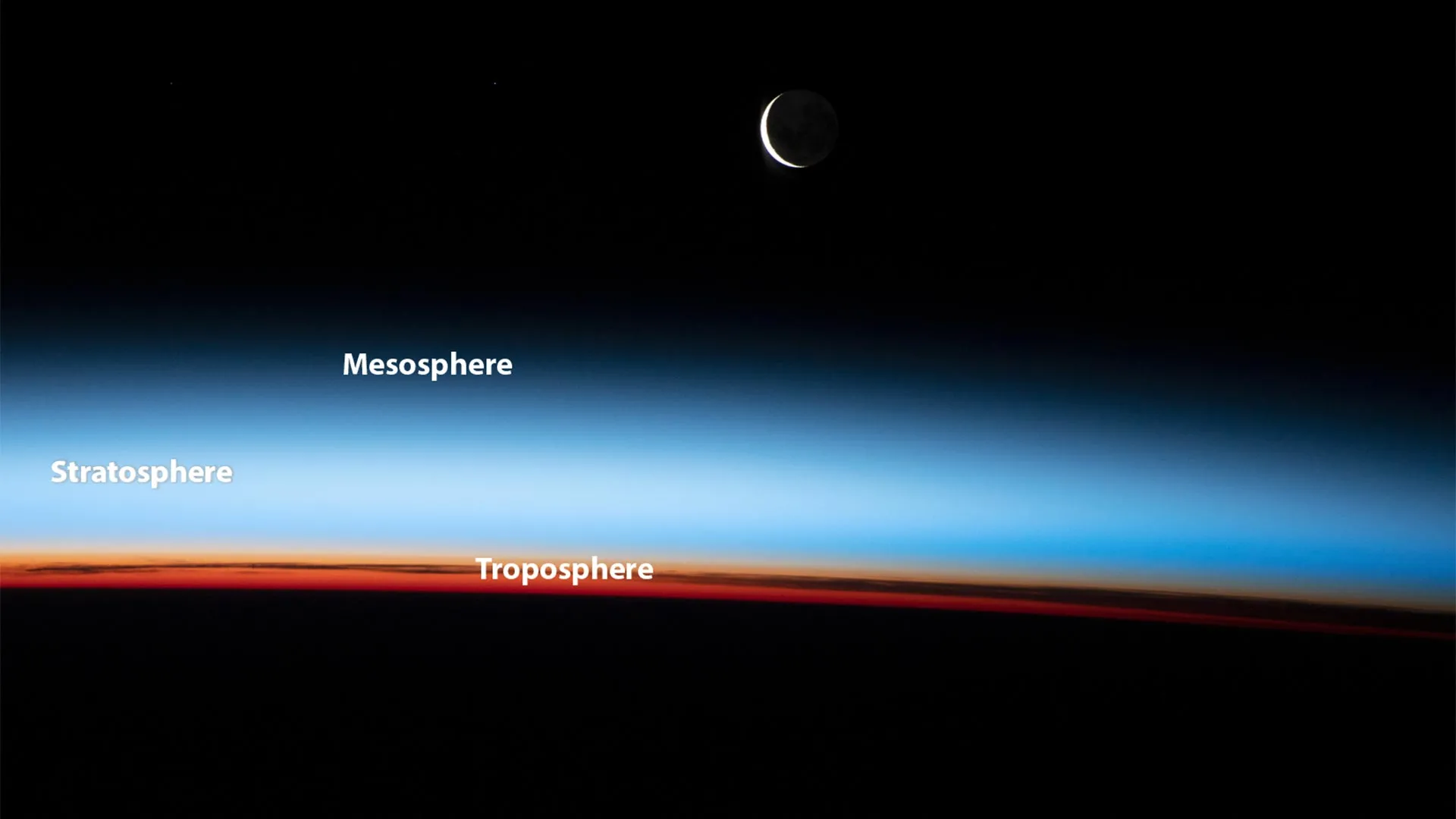
The recent findings from researchers at Columbia University reveal a fascinating and counterintuitive aspect of climate change: while Earth's surface temperatures continue to rise, the upper atmosphere is undergoing a cooling trend. The study highlights how carbon dioxide (CO2) behaves differently at high altitudes, where it facilitates the radiative cooling of the atmosphere rather than contributing to warming. This phenomenon, where specific infrared wavelengths fall into a “Goldilocks zone,” becomes increasingly effective with rising CO2 levels, emphasizing the complexity of atmospheric interactions. As we strive to understand the multifaceted impacts of climate change, insights like these are crucial for informed policy-making and global collaboration in ocean stewardship.
This research adds to our growing understanding of the intricate relationship between greenhouse gases and atmospheric dynamics. It aligns with the ongoing discourse on the importance of strategic investments in the ocean economy, as detailed in our article, World Economic Forum: Here's why we need Strategic investment in the Ocean economy. Such investments can enhance our ability to monitor and respond to climate shifts effectively. The findings also resonate with discussions on biodiversity in marine ecosystems, as seen in Islands of biodiversity created by remote Arctic kelp forests of the central Kitikmeot Sea, where healthy ocean environments play a vital role in climate regulation.
Understanding these atmospheric cooling mechanisms is vital not only because they challenge traditional perceptions of CO2's role but also because they underscore the urgent need for a comprehensive approach to climate science. As the upper atmosphere cools, the implications for weather patterns, ocean temperatures, and marine life could be profound. This study suggests that the impacts of climate change are not linear; they are deeply interconnected and influenced by various factors, including human activity and natural processes. Therefore, it is imperative that we leverage this knowledge to refine our climate models and develop more effective mitigation strategies.
As we continue to unpack the layers of complexity surrounding climate change, we must grapple with the implications of these findings. For instance, how will the cooling of the upper atmosphere influence global weather patterns and oceanic systems? This question is particularly pressing as we consider the ocean's role in absorbing excess heat and its capacity to act as a buffer against climate extremes. The ocean holds a hidden record of our planet's changing climate, as discussed in our piece, Beneath the waves, the ocean holds a hidden record of our planet’s changing climate.. As such, the interplay between atmospheric cooling and ocean health will be critical to monitor in the coming years.
In conclusion, the discovery of CO2’s unique role in cooling the upper atmosphere serves as a reminder of the complexity of our climate system. It reinforces the need for rigorous scientific inquiry and collaborative efforts to address the pressing challenges of climate change. As researchers delve deeper into these dynamics, we must remain vigilant and proactive, fostering a culture of shared responsibility and informed action. The question remains: how can we harness this newfound understanding to drive meaningful change in ocean conservation and overall climate resilience? The path ahead is fraught with challenges, but it is also rich with opportunities for innovation and collaboration.
Read on the original site
Open the publisher's page for the full experience