Philippines Allows Temporary Use Of Dirtier Fuel To Secure Supply Amid Global Oil Crisis
Our take
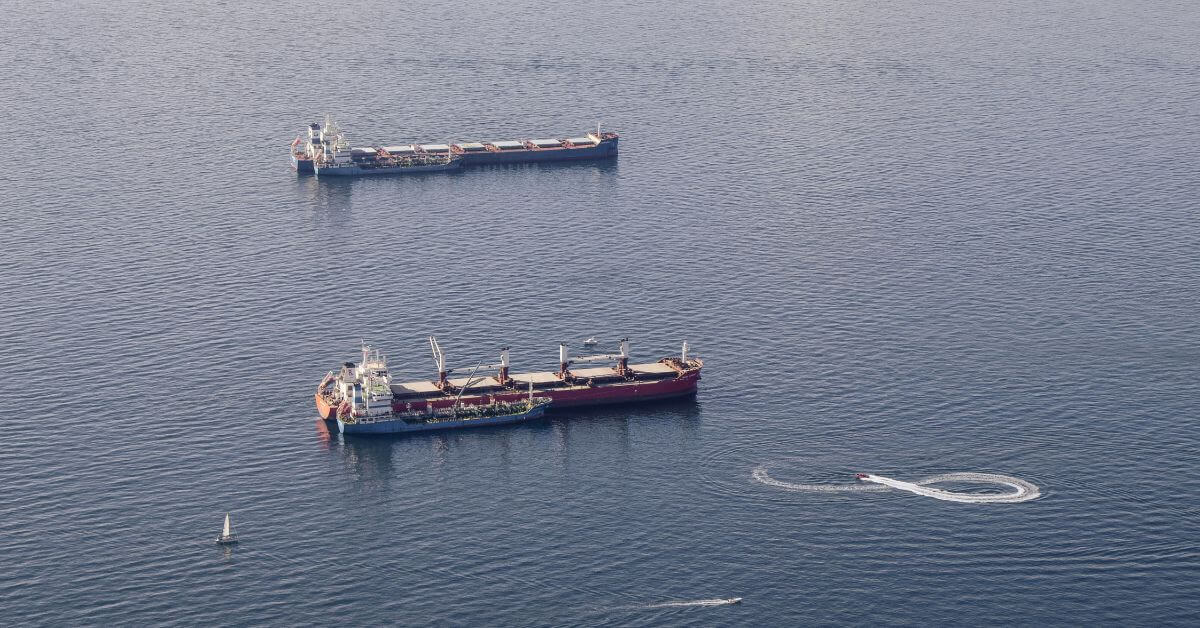
The Philippines has allowed the temporary use of a cheaper but dirtier type of fuel to keep supplies steady as the global oil crisis affects the country.
The Department of Energy (DOE) said only vehicles made in 2015 or earlier, traditional jeepneys, power plants and generators, and the marine and shipping sectors can use Euro-II fuels.
“The measure is meant to maintain a continuous and accessible fuel supply while giving limited flexibility to sectors most affected,” the DOE said.
Oil companies offering Euro-II fuel must keep it separate from the cleaner Euro-IV fuel in storage, transport, and retail.
The country switched to cleaner Euro-IV fuels in 2016. Euro-IV fuel has a sulphur content of 50 parts per million (ppm), while Euro-II fuel has 500 ppm, making it much dirtier.
The decision comes after global oil prices surged due to the US-Israel war on Iran.
Last week, thousands of jeepney drivers protested the sudden rise in diesel prices, which more than doubled in some areas.
To ease the burden, the government has introduced fuel subsidies, shortened work weeks, and granted emergency powers to adjust or suspend fuel taxes.
President Ferdinand Marcos Jr. said the government is in talks with India, China, Japan, South Korea, Thailand, and Brunei to secure fuel supplies.
The Philippines is also planning to import Russian oil this month for the first time in five years.
References: Reuters, channelnewsasia
Read on the original site
Open the publisher's page for the full experience