One mystery of the Great Pyramid’s longevity has finally been solved
Our take
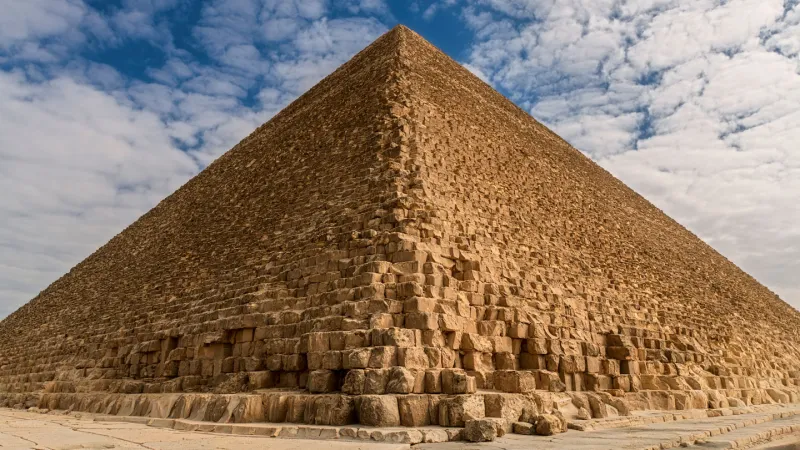
The recent insights into the Great Pyramid’s resilience against earthquakes reveal not only the architectural ingenuity of ancient civilizations but also the continuing relevance of such studies in our modern context. Researchers have identified that the distinct vibrational patterns of the pyramid compared to the surrounding soil, coupled with specific design choices, have played a crucial role in ensuring its longevity. This discovery is significant not just for historians and archaeologists but also for engineers and urban planners, especially in areas prone to seismic activity. For instance, related discussions around earthquake vulnerabilities, such as those found in Seattle, highlight the urgency of understanding geological factors in urban design. The article “Hidden earthquake faults beneath Seattle may be more dangerous than expected” underscores the need for innovative engineering solutions in seismically active regions.
The implications of this research extend beyond the Great Pyramid itself. The findings reinforce the idea that ancient architectures can offer valuable lessons in sustainability and resilience. In an age where climate change and urbanization pose ever-increasing threats to infrastructure, revisiting historical engineering practices could inform modern strategies. As we explore these connections, we are reminded of the broader themes of adaptation and survival in the face of natural challenges. The interplay between structure and environment illuminates the need for a holistic approach to architecture, particularly in regions where the ground is unstable.
Moreover, this research invites a deeper examination of the relationship between cultural heritage and scientific inquiry. The Great Pyramid, a symbol of human achievement, stands as a testament to the capabilities of ancient societies. As scientists like Saul Justine Newman challenge contemporary perceptions of longevity and health in works like “‘Morbid’ doesn’t want you to fall for antiaging hype,” we should also challenge our understanding of historical achievements. The methods employed in constructing enduring monuments can provide insights into sustainable practices that align with current ecological challenges.
As we reflect on the Great Pyramid’s resilience, it becomes imperative to consider how these findings can influence contemporary architectural practices and disaster preparedness. The ways in which ancient builders adapted to their environments serve as a model for modern engineers who face the complex challenges posed by climate change, including rising sea levels and increased seismic activity. Integrating historical knowledge with modern technology could help us create structures that not only withstand natural disasters but also promote ecological sustainability.
Looking ahead, the question remains: how can we further harness the wisdom of the past to inform the future? As we confront the pressing realities of climate change and urbanization, it is crucial that we engage with both historical insights and innovative technologies. The resilience of the Great Pyramid encourages us to think critically about our infrastructure's longevity and adaptability. By fostering collaboration between historians, scientists, and engineers, we can strive for solutions that honor our past while securing a sustainable future. This is a call to action for all stakeholders in the discourse on climate resilience and architectural innovation.
Read on the original site
Open the publisher's page for the full experience