•1 min read•from Oceanography News -- ScienceDaily
Melting Antarctic ice may weaken a major carbon sink
Our take
Melting ice from West Antarctica, once a significant source of iron for the Southern Ocean, is revealing unexpected consequences for carbon absorption. Researchers discovered that the iron released was not in a bioavailable form, hindering algae growth and limiting its potential to enhance carbon uptake. This finding suggests that increased ice melt may not bolster the ocean’s capacity to absorb carbon, raising concerns that ongoing Antarctic ice loss could ultimately diminish the ocean's role in mitigating climate change.
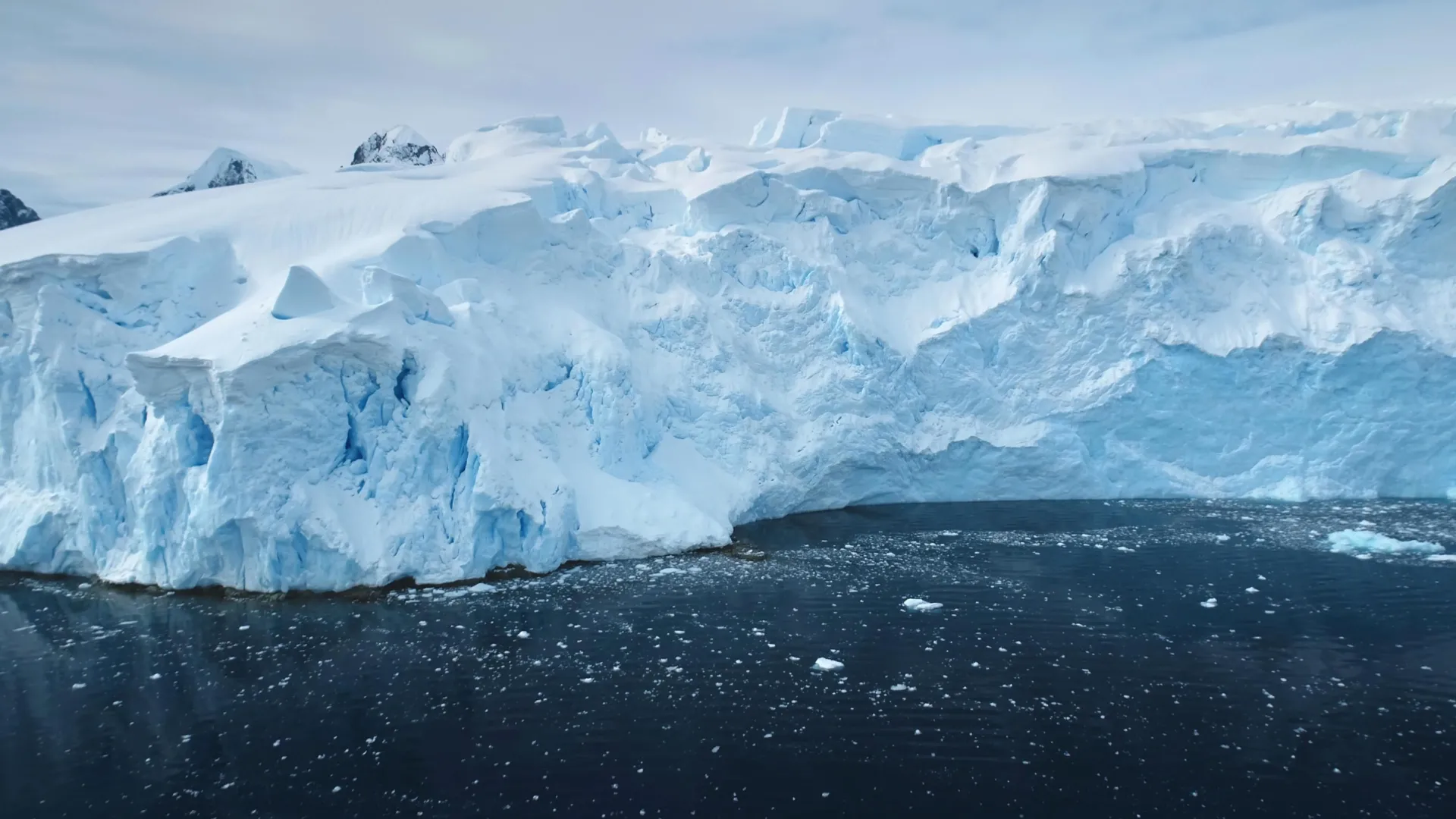
Melting ice from West Antarctica once delivered huge amounts of iron to the Southern Ocean, but algae growth did not increase as expected. Researchers found the iron was in a form that marine life could not easily use. This means more melting ice does not automatically boost carbon absorption. In the future, Antarctic ice loss could actually reduce the ocean’s ability to slow climate change.
Read on the original site
Open the publisher's page for the full experience