Many U.S. teens underestimate fentanyl’s deadly risk
Our take
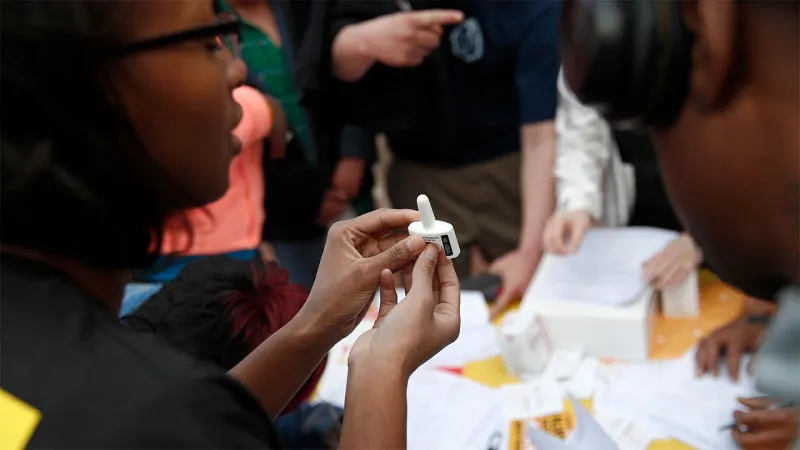
The recent study revealing that a significant portion of U.S. teenagers underestimate the lethal risk associated with fentanyl use presents a deeply concerning data point, demanding a measured but urgent response. The finding—that a majority of 8th-graders and a substantial third of older high school students fail to perceive significant danger in even occasional fentanyl exposure—highlights a critical gap in understanding regarding the unprecedented crisis facing young people. This isn't merely a matter of youthful risk-taking; it's a consequence of an increasingly deceptive and dangerous drug supply chain. The proliferation of fentanyl, often disguised in other substances, has fundamentally altered the landscape of adolescent substance use, shifting from a historical focus on traditional drugs to a situation where unknowingly ingesting a lethal dose is a pervasive and growing threat. Contextualizing this requires acknowledging the broader trends in adolescent mental health and the accessibility of illicit substances—factors that contribute to vulnerability. For a deeper dive into this complex interplay, consider reviewing National Institute on Drug Abuse - Adolescent Drug Use and SAMHSA - Results from the National Survey on Drug Use and Health.
The severity of the issue stems from fentanyl's incredibly high potency: it's estimated to be 50 to 100 times stronger than morphine. Even a tiny amount, equivalent to a few grains of salt, can be fatal. This potency, combined with the increasing prevalence of fentanyl-laced counterfeit pills and other drugs, creates a situation where seemingly innocuous experimentation can have devastating consequences. The fact that younger adolescents—8th-graders—exhibit the highest levels of risk underestimation is particularly alarming, suggesting a failure in education and communication about the specific dangers of fentanyl. While broader public health campaigns addressing opioid addiction are vital, the unique challenge posed by fentanyl requires targeted interventions specifically focused on adolescent populations. It's not simply a matter of repeating warnings about drug use; it’s about clearly communicating the *specific* and often *unintentional* risks associated with fentanyl contamination. Furthermore, the study’s findings reinforce the need to address the underlying factors driving adolescent drug use, including mental health challenges, peer pressure, and a lack of access to support systems. Understanding the behavioral patterns that contribute to risk assessment failures is key to designing preventative measures. Experts are increasingly emphasizing the importance of naloxone availability and training, particularly within schools and communities; see CDC - Fentanyl and Other Synthetic Opioids for more information on this vital intervention.
The implications of this underestimation extend far beyond individual tragedies. A widespread lack of awareness contributes to a culture of denial and inaction, hindering prevention efforts and delaying access to critical interventions. It also places an enormous strain on emergency response systems and healthcare providers, who are increasingly encountering cases of accidental fentanyl overdose. The data underscores the need for a multi-faceted approach that combines education, prevention, and harm reduction strategies. Educational programs must move beyond generic "just say no" messaging and provide age-appropriate, scientifically accurate information about the risks of fentanyl. This includes explaining how fentanyl can be present in unexpected substances and emphasizing the importance of avoiding illicit drugs altogether. Moreover, fostering open and honest conversations about drug use within families and schools is crucial to creating a supportive environment where young people feel comfortable seeking help. The current situation demands a shift in focus, from reactive crisis management to proactive prevention and education, grounded in empirical data and rigorous evaluation.
Looking ahead, the key question becomes: how can we effectively bridge this critical gap in understanding among adolescents? Simply increasing the volume of information isn't enough; we need innovative communication strategies that resonate with young people and address their specific concerns. Interactive simulations, peer-to-peer education programs, and partnerships with social media influencers could all play a role in raising awareness and promoting safer behaviors. Ultimately, mitigating the risks associated with fentanyl requires a concerted effort from parents, educators, healthcare providers, and policymakers, all working together to protect the health and well-being of our youth. The sustained, longitudinal tracking of adolescent attitudes and behaviors regarding fentanyl use will be crucial to assessing the effectiveness of these interventions and adapting strategies as needed.
Read on the original site
Open the publisher's page for the full experience