Maersk Eyes Investment In Bangladesh Shipbuilding, With Ship Recycling Also On Agenda
Our take
Maersk’s reported interest in direct investment in Bangladesh's shipbuilding sector, coupled with its attention to ship recycling, represents a significant development with implications for global maritime logistics, sustainability, and the evolving geopolitical landscape of shipbuilding. This move aligns with broader trends of supply chain diversification and a growing focus on circular economy principles within the shipping industry. The potential for Maersk to leverage Bangladesh's cost-competitive shipbuilding capabilities, particularly for vessels suited to short-sea trades or feeder routes, could reshape regional shipping networks. It also follows on the heels of positive developments like [Shipping Industry Welcomes Proposed Inclusion of Two Indian Ship Recycling Yards to EU List], highlighting a growing international acceptance of responsible ship recycling practices, and complements initiatives like [Norway Launches NOK 68 Million Project to Accelerate Wind-Powered Shipping], both of which signal a wider industry shift towards greener operations. The dual focus on shipbuilding and recycling underscores a strategic view of the entire vessel lifecycle.
The significance of Bangladesh as a shipbuilding hub shouldn't be understated. The nation already possesses a considerable, albeit largely informal, shipbuilding industry, primarily focused on smaller vessels. Maersk’s investment could catalyze significant modernization and standardization, potentially elevating Bangladesh to a more prominent position in the global shipbuilding market. The inclusion of ship recycling in Maersk's considerations is equally crucial. The aging global fleet necessitates responsible decommissioning, and Bangladesh is a major player in this domain. However, concerns regarding environmental and labor practices in some Bangladeshi ship recycling yards have historically been raised. Maersk’s involvement, with its established reputation and corporate responsibility standards, could incentivize improvements in these areas, aligning with the growing pressure for sustainable and ethical ship recycling practices worldwide. This is especially relevant given the EU's increasingly stringent regulations on ship recycling, as demonstrated by the recent approval of Indian yards.
Beyond the immediate economic impact on Bangladesh, Maersk’s investment signals a broader shift in the shipping industry's approach to vessel procurement and disposal. Traditional models often prioritized lowest upfront cost, sometimes overlooking the long-term environmental and social consequences. Increasingly, companies like Maersk are factoring in the full lifecycle cost, including decommissioning and recycling, and seeking greater control over these processes. This move could drive innovation in shipbuilding techniques, encouraging the design of vessels that are more easily recycled and utilize sustainable materials. The integration of data and technology, a core tenet of World Data Ocean’s mission, will be critical in tracking and optimizing these lifecycle processes, ensuring transparency and accountability across the entire value chain. The increasing frequency of incidents like [2 Filipino Seafarers Killed After Attack On Saudi Oil Tanker In Strait Of Hormuz] further highlights the importance of secure and ethically sourced maritime operations.
Looking ahead, the key question will be the extent to which Maersk’s investment leads to genuine, verifiable improvements in environmental and labor standards within the Bangladeshi shipbuilding and recycling sectors. Will this investment serve as a catalyst for broader industry reform, encouraging other major shipping companies to adopt similar lifecycle-focused strategies? Furthermore, the geopolitical implications are worth watching. As global supply chains continue to be reshaped, the rise of shipbuilding hubs in South Asia could significantly alter the balance of power in the maritime industry and create new dependencies. The ability to accurately monitor and assess the environmental and social impacts of these developments will be paramount to ensuring a sustainable and equitable future for the global shipping industry.
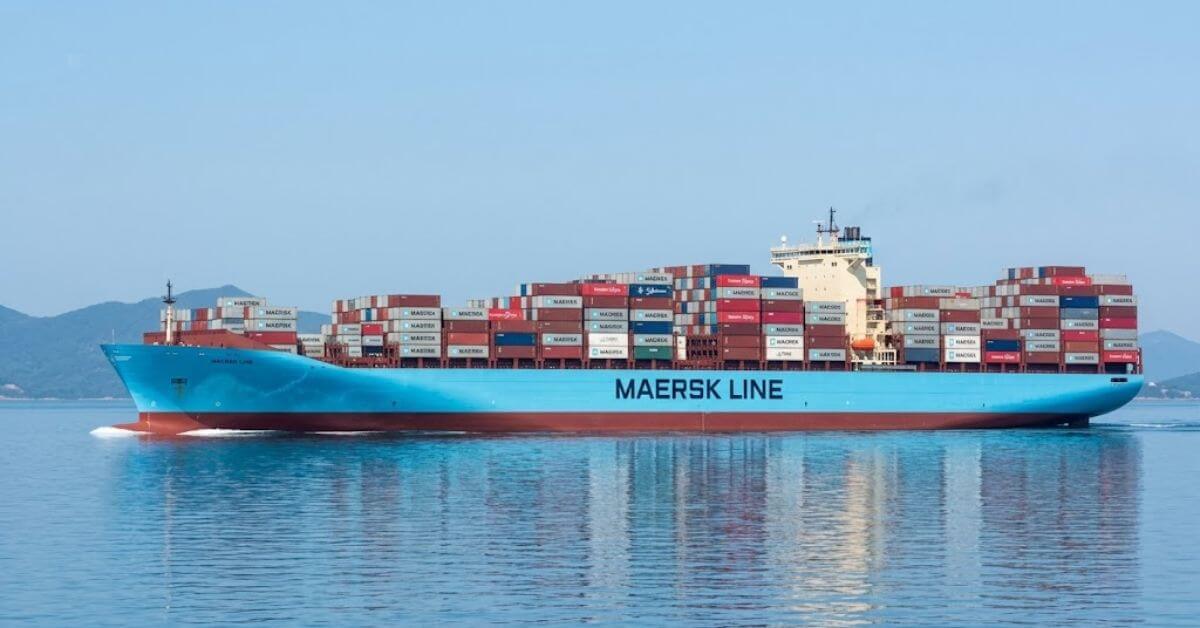
Danish shipping and logistics company AP Moller-Maersk is interested in investing directly in Bangladesh’s shipbuilding industry.
The company has also discussed the possibility of investing in ship recycling in the country.
The issue was discussed at a meeting on Aug. 29 between Commerce, Industry and Textiles and Jute Minister Khandakar Abdul Muktadir, Denmark’s Ambassador to Bangladesh Christian Brix Møller and René Pihl Pedersen, managing director of AP Moller Singapore Pte Ltd.
The Danish ambassador said Maersk Line was interested in making direct investments in Bangladesh’s shipbuilding industry, according to the Commerce Ministry.
Muktadir asked Maersk to also consider investing in Bangladesh’s ship recycling sector.
“Maersk Line has a large number of large ships worldwide. Therefore, Bangladesh can emerge as a promising hub not only for the environmentally sound and internationally compliant recycling of the company’s old vessels, but also for building new ships,” the minister said, according to the ministry.
Maersk operates a large fleet of ships and has shipping and logistics businesses around the world.
The meeting also discussed Bangladesh’s experience and potential in shipbuilding and ship recycling.
Muktadir said more investment from international companies could bring capital, technology and skills to Bangladesh and help develop related industries.
Those at the meeting said large international investments in shipbuilding and ship recycling could support industrial development and help Bangladesh make better use of its blue economy.
They also said such investment could create jobs, bring new technology and skills and support other related industries.
No investment amount, specific project, shipyard, recycling facility or timeline was announced at the meeting.
The discussions therefore remain at the stage of interest and talks, with no specific Maersk investment in Bangladesh announced so far.
References: thedailystar, tbsnews
Read on the original site
Open the publisher's page for the full experience