Indonesian Ferry Carrying 243 Sinks In Java Sea Leaving One Dead And 140 Missing
Our take
The sinking of the Virgo Transport 8 ferry in the Java Sea, resulting in one confirmed fatality and over a hundred missing, underscores a recurring and deeply concerning trend in maritime safety, particularly in Southeast Asia. Recent incidents, such as the [Fire-Damaged 72,255-GT Car Carrier Sees Temperature Rise In Panama Waters] and the tragic loss of life aboard the Ocean Melody following a fire [25 Dead After Fire Breaks Out On Cargo Ship Undergoing Repairs At China’s Qingdao Port], highlight vulnerabilities across different vessel types and operational contexts. The Java Sea incident, with its substantial loss of life potential, demands a rigorous examination of safety protocols, vessel maintenance, and regulatory oversight. While the immediate focus remains on search and rescue efforts, a longer-term analysis of contributing factors is essential to prevent future tragedies. The scale of passenger ferries, often operating with high capacity and potentially aging infrastructure, presents a unique risk profile that requires particular attention.
The incident also resonates with similar events previously documented in the region. Just last year, a passenger ferry caught fire off the Philippines, resulting in fatalities and missing persons [Video: 5 Dead, Dozens Missing After Passenger Ferry Catches Fire Off Philippines]. These recurring incidents point to systemic issues that extend beyond individual vessel failures. Factors such as inadequate fire suppression systems, insufficient crew training in emergency procedures, and potentially overcrowded conditions are likely contributors. The maritime environment in this region is particularly challenging, with unpredictable weather patterns and heavy traffic density further increasing the complexity of safe operations. Integrated data ecosystems, utilizing real-time weather and sea state information, could provide crucial decision-making support for ferry operators, but their implementation requires significant investment and coordinated effort. Validated data, calibrated against empirical observations, is paramount for informed risk assessment and mitigation.
The broader significance of these incidents lies in their impact on maritime confidence and the economic stability of nations reliant on ferry transport. These vessels are vital arteries for connecting islands and facilitating trade and tourism, yet persistent safety concerns erode public trust and potentially hinder economic growth. The need for a collaborative, global approach to maritime safety is increasingly evident. Peer-reviewed research into best practices for fire prevention and emergency response on passenger vessels, alongside the sharing of longitudinal data on incidents and near misses, is critical. Ocean intelligence platforms, integrating data from various sources including satellite imagery and vessel tracking systems, could provide a more comprehensive picture of maritime risk and inform targeted interventions. Furthermore, strengthened regulatory frameworks and rigorous enforcement are essential to ensure that operators adhere to the highest safety standards.
Moving forward, it is crucial to assess the effectiveness of existing safety regulations and enforcement mechanisms in Indonesia and across the region. The incident necessitates a thorough investigation, with a focus on identifying systemic weaknesses and implementing corrective actions. A commitment to transparency and accountability, coupled with a proactive approach to risk mitigation, is paramount. The question remains: how can we leverage technological innovation and collaborative data sharing to create a more resilient and safer maritime environment for passenger transport, particularly in regions where the risks are disproportionately high?
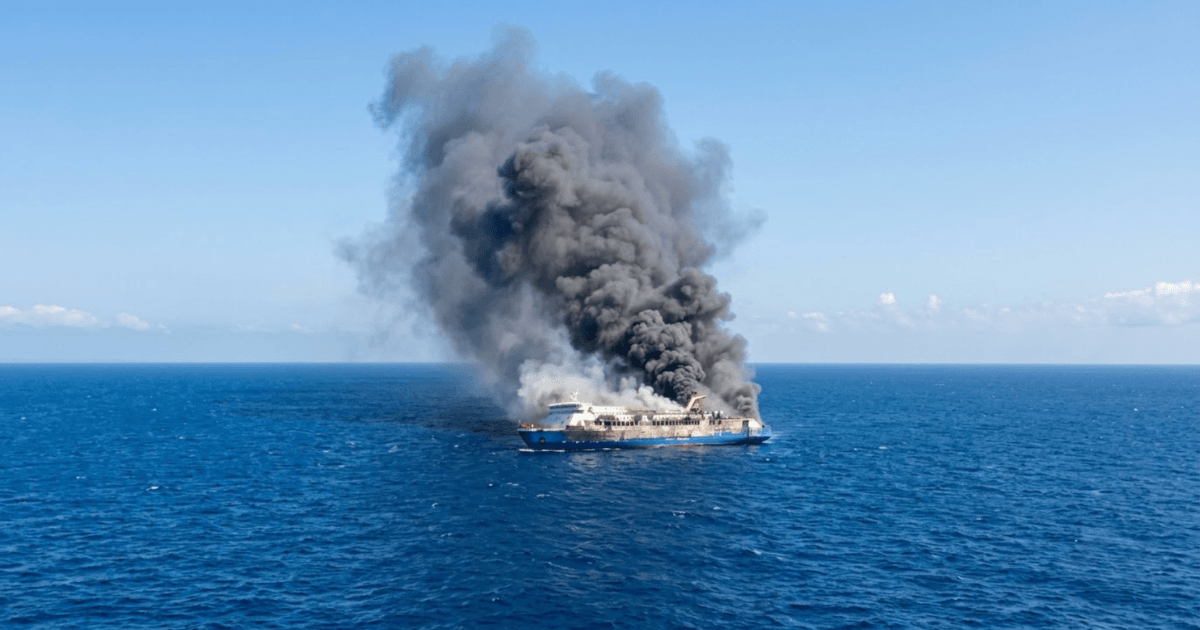 One person died and 140 are missing after the ferry Virgo Transport 8 lost contact with its operator in the Java Sea. 103 of the 243 people have been evacuated so far. Indonesian search and rescue teams are actively looking for the missing ones.
The Indonesian flagged vessel sailed from Surabaya in East Java on Saturday afternoon. It was bound for Banjarmasin, the South Kalimantan port city on Borneo. The vessel encountered heavy seas overnight and lost contact with its operator “PT Virgo” at around 2am local time (WITA) on Sunday. Before losing the communication, the ship’s captain had reported that the vessel was tilting.
The ferry was reported to be carrying 57 crew and 59 adult passengers, along with one child.
Rescue ships and a helicopter started search at the vessel’s last known position, about 80 nautical miles (150km) from Banjarmasin. Waves as high as 2.5 metres restricted search and rescue efforts.
Commercial vessels in the area joined the effort as one vessel, “MV Haida,” recovered 49 survivors, whereas “Mauhaw IX” picked up 15 more, along with one body.
The reason for the sinking of the ferry has not been confirmed. An investigation is underway as authorities examine the weather and possible technical failure.
The Virgo Transport 8 was built in 1987 at the Shin Kurushima Onishi shipyard in Japan. The 39-year-old Passenger/Ro-Ro Cargo Ship previously sailed as Ferry Kurushima before entering Indonesian waters.
Ferries are the backbone of transport in Indonesia’s more than 17000 islands, where sea routes are often cheaper and more accessible than flights.
Reference: NDTV , Aljazeera
Read on the original site
Open the publisher's page for the full experience