Indian Navy Monitors Safe Transit Of 2 Merchant Ships Through Bab-el-Mandeb Strait
Our take
The recent Indian Navy operation monitoring the safe transit of two merchant ships through the Bab-el-Mandeb Strait underscores a growing trend of heightened maritime security concerns in critical chokepoints. This action, part of the Navy’s ongoing commitment to safeguarding essential cargo routes to and from India, highlights the increasing complexity of global trade logistics and the vulnerabilities inherent in these vital waterways. The Bab-el-Mandeb Strait, connecting the Red Sea and the Gulf of Aden, is a particularly sensitive area given its proximity to conflict zones and the presence of various non-state actors. Recent developments, such as [Japan Plans To Build Pipeline Network Through Strait of Hormuz To Secure Energy Supplies], illustrate a broader strategic response to these challenges, as nations seek to diversify supply chains and mitigate risks associated with reliance on single transit routes. Furthermore, the concurrent intensification of marine and atmospheric heatwaves in the Arabian Peninsula, as detailed in [Intensifying concurrent marine–atmospheric heatwaves in the marginal seas of the Arabian Peninsula: implications for coral bleaching and ocean productivity], adds another layer of complexity, potentially impacting shipping lanes and coastal infrastructure through extreme weather events.
The Indian Navy’s proactive presence in the Bab-el-Mandeb Strait is not merely a reactive measure; it represents a calculated effort to ensure the uninterrupted flow of goods and resources, a critical component of India’s economic stability. The region’s strategic importance is amplified by the ongoing geopolitical tensions and the persistent threat of piracy and maritime terrorism. While naval patrols and escorts offer a degree of protection, a truly sustainable solution requires a multifaceted approach involving international cooperation, enhanced maritime domain awareness, and robust data analytics to predict and mitigate potential threats. The broader implications for naval deployments are evident in instances like [US Navy Aircraft Carrier Abraham Lincoln To Dock In Thailand After Record 200 Days At Sea], showcasing the extended operational demands placed on modern naval forces as they respond to evolving global security landscapes. Understanding these deployments and their logistical challenges is crucial for optimizing resource allocation and ensuring operational effectiveness.
Beyond immediate security concerns, the increased naval presence in the region also reflects a growing awareness of the interconnectedness between maritime security, climate change, and economic stability. The escalating frequency and intensity of marine heatwaves, for example, pose a direct threat to maritime infrastructure and shipping operations, potentially disrupting trade routes and impacting coastal communities. Furthermore, the degradation of marine ecosystems due to climate change can exacerbate existing security challenges by creating resource scarcity and increasing competition for access to vital resources. The effective management of these interwoven risks requires a data-driven approach, leveraging real-time ocean intelligence and integrated data ecosystems to monitor environmental conditions, track maritime activity, and anticipate potential threats. This necessitates calibrated investments in ocean observation technologies and the development of robust predictive models capable of providing actionable insights for policymakers and maritime operators.
Looking ahead, the Bab-el-Mandeb Strait, and similar chokepoints worldwide, will likely remain flashpoints for geopolitical tensions and maritime security concerns. The convergence of climate change, economic interdependence, and regional instability creates a complex and dynamic environment demanding adaptive strategies and innovative solutions. A key question to watch will be the extent to which collaborative frameworks, such as the Indian Navy's ongoing operations, can be strengthened and expanded to address these multifaceted challenges effectively. The ability to translate empirical data into proactive measures, coupled with a commitment to global collaboration, will be paramount in ensuring the safe and sustainable flow of commerce through these vital maritime corridors.
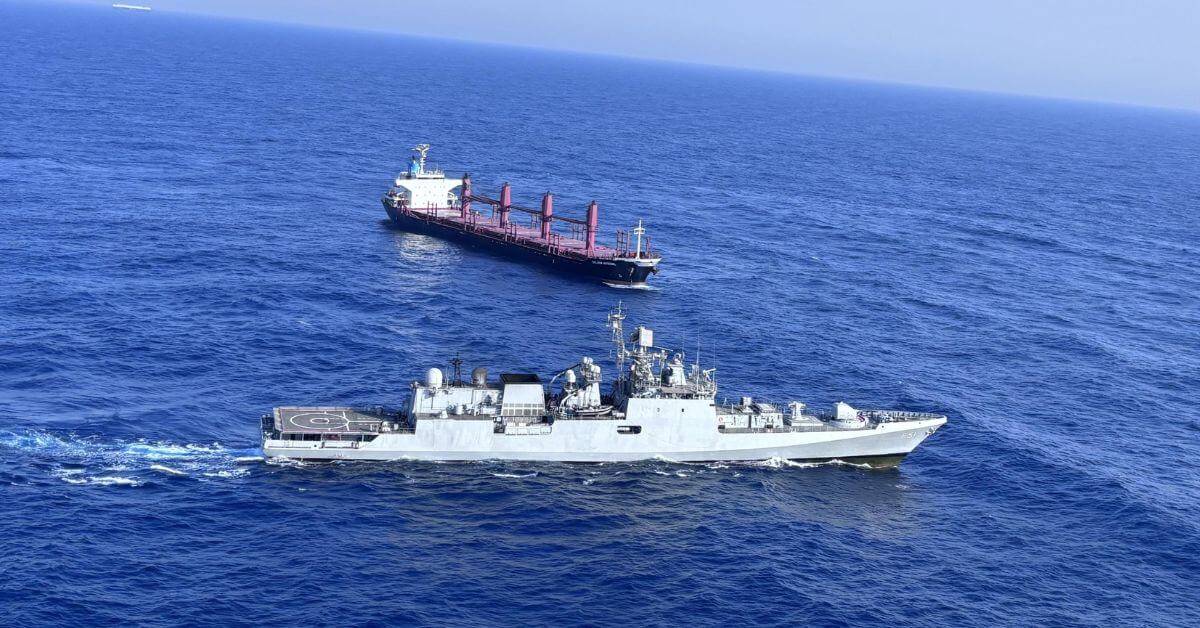
An Indian Navy unit deployed in the region monitored the passage of two merchant ships, MV Dagher and MV Union Mariner, through the Bab-el-Mandeb Strait on August 25.
No incident involving either vessel was reported.
The operation is part of the Navy’s continuing efforts to ensure safe movement of essential cargo to and from India and to safeguard India’s maritime interests.
The Bab-el-Mandeb is a narrow strait linking the Red Sea to the Indian Ocean and the Gulf of Aden. It is a major shipping route for commercial vessels operating between these waters.
Indian Navy warships are now deployed across the Middle East amid the ongoing conflict between the United States and Iran.
Warships are deployed in the Gulf of Oman under Operation Sankalp while others are involved in anti-piracy operations in the Gulf of Aden, sources in the defence establishment said.
Indian Navy Assists Merchant Shipping
The sources said the warships operating in the Gulf of Aden are helping Indian merchant ships to reach their destinations safely.
The deployments cover key maritime areas linked to commercial shipping routes between the Middle East, Red Sea and Indian Ocean.
The deployed naval assets can also be used for helping stranded Indian nationals if necessary, sources said. But they said there had been no communication about any such requirement.
The Navy continues to focus on protecting India’s maritime interests and supporting the safe transit of vital cargo through the region.
References: thehindubusinessline
Read on the original site
Open the publisher's page for the full experience