In painted caves, ancient human DNA clings to the walls
Our take
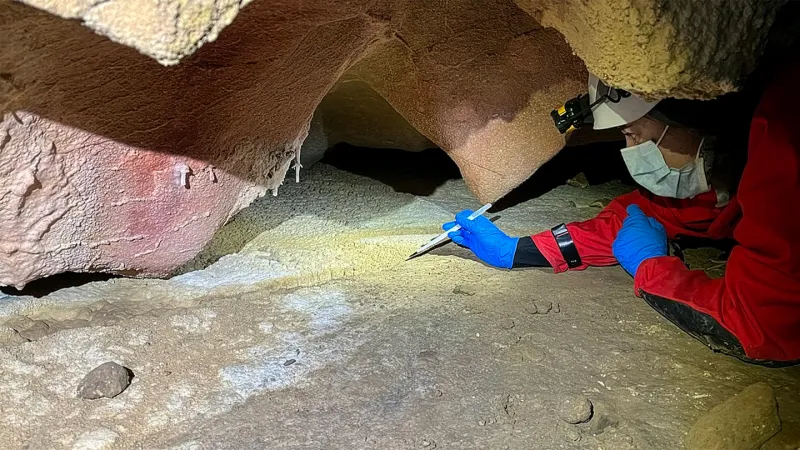
The recent discovery of ancient human DNA clinging to cave walls represents a significant advancement in our ability to understand prehistoric cultures and their artistic expressions. Scientists have, for the first time, successfully extracted and analyzed this genetic material directly from the cave environment itself, bypassing the need for skeletal remains. This breakthrough holds profound implications for fields ranging from archaeology and anthropology to genetics and art history. The ability to potentially link specific paintings to the individuals who created them offers a level of insight previously relegated to speculation. It immediately brings to mind discussions around the ethical considerations surrounding genetic research and cultural heritage, a topic we’ve explored previously in Who owns your bones?. The challenges of repatriation and respecting the wishes of descendant communities are amplified when genetic data becomes intertwined with artistic creation, demanding careful consideration of ownership and access.
The traditional method of tracing artistic styles through comparative analysis, while valuable, often struggles to establish definitive connections between artists and their works. This new DNA extraction technique offers a potential solution, albeit one fraught with complexities. The degradation of DNA over millennia presents a significant hurdle; the recovered fragments are often incomplete, requiring sophisticated computational tools and rigorous validation to interpret accurately. The presence of microbial DNA, potentially masking human sequences, further complicates the process. However, the increasing refinement of genomic sequencing technologies and bioinformatic approaches is steadily improving the sensitivity and accuracy of these analyses. Furthermore, this approach complements existing archaeological methods, providing a powerful, integrated data ecosystem for understanding past human behavior. We noted previously the importance of legal and ethical frameworks surrounding the use of genetic data, echoing the discussions raised in Who owns your bones?. These advancements highlight the need for ongoing dialogue and the development of robust protocols to ensure responsible research practices.
The broader significance of this development extends beyond identifying the artists behind specific cave paintings. It provides a unique window into the genetic diversity of prehistoric populations, offering insights into migration patterns, social structures, and even potential disease prevalence. Analyzing the DNA extracted from cave walls can reveal information about the environment the artists inhabited, their diet, and their relationships with other groups. The fact that DNA persists in these sheltered environments, despite the passage of thousands of years, demonstrates the remarkable resilience of genetic material and opens up new avenues for exploring ancient human history. It’s a testament to the power of integrated data - combining genetic information with archaeological context – to build a more comprehensive picture of our past. This aligns with the core principles of World Data Ocean, emphasizing the importance of calibrated, longitudinal data sets for informed decision-making across a wide range of disciplines.
Looking forward, the successful extraction of ancient DNA from cave walls represents a paradigm shift in archaeological research. The potential for uncovering a wealth of new information about prehistoric human cultures is immense, but it also demands a thoughtful and ethical approach. As this technology advances, questions surrounding data privacy, intellectual property, and the rights of indigenous communities will become increasingly important. How will we ensure that this powerful tool is used to promote understanding and respect for cultural heritage, rather than exploitation? The long-term preservation of these fragile genetic records, and the development of standardized protocols for data collection and analysis, will be critical for maximizing the scientific value of this groundbreaking discovery.
Read on the original site
Open the publisher's page for the full experience