Hantavirus questions grow in the wake of a cruise ship outbreak
Our take
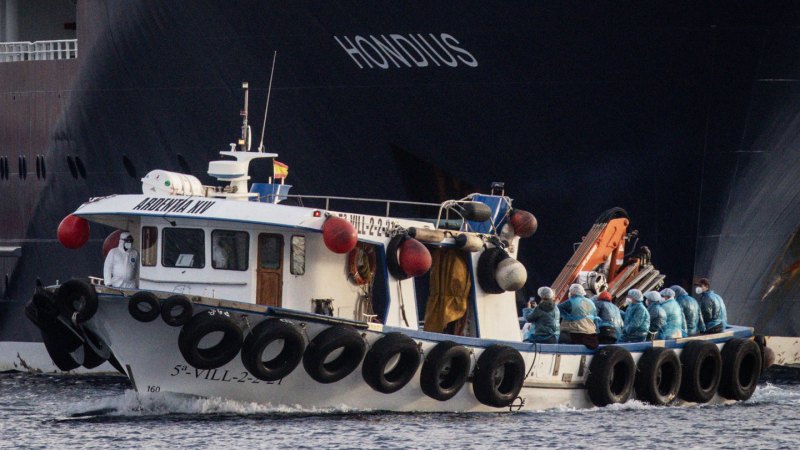
The recent outbreak of Andes hantavirus aboard a cruise ship has rekindled critical questions about the virus's unique capacity for human transmission. As scientists strive to unravel the mystery behind why Andes hantavirus is the only strain known to spread from person to person, public health officials are left racing against time to understand how this potentially deadly virus infiltrated a seemingly controlled environment, such as a cruise ship. Reports such as What to know about a rare hantavirus outbreak at sea highlight the urgency of this situation, emphasizing the need for robust scientific inquiry to ensure public safety and prevent future outbreaks.
Understanding the transmission dynamics of hantaviruses, particularly the Andes strain, is crucial not only for public health but also for our broader comprehension of emerging infectious diseases. The Andes hantavirus challenges established paradigms, as it deviates from the behavior of other hantaviruses that primarily spread through rodent vectors. This anomaly raises significant questions about the mechanisms of virus transmission, the role of environmental factors, and the implications for disease prevention strategies. By investigating these questions, researchers can gain invaluable insights into how viruses adapt and spread, which is essential in our age of increasing globalization and climate change, where zoonotic diseases are on the rise.
The implications of this research extend beyond the immediate health concerns of cruise ship passengers. With the interconnectedness of our global community, the potential for such outbreaks to escalate is ever-present. This situation serves as a stark reminder of the importance of rigorous scientific inquiry and collaboration among researchers, public health officials, and policymakers. The findings from ongoing studies into the Andes hantavirus could set a precedent for how we approach not only hantaviruses but also other zoonotic diseases that may emerge in the future. As we learn more about the complexities of viral transmission, we can better prepare for and mitigate the risks associated with outbreaks, ensuring a more resilient public health framework.
Moreover, the current outbreak underscores the importance of transparency and communication in public health. As the situation evolves, it is critical for health organizations to provide accurate information and guidance to the public. Misinformation can exacerbate panic and hinder effective response efforts. The scientific community must prioritize clear, evidence-based messaging to foster public trust and cooperation. Engaging the public in understanding the science behind such outbreaks can empower individuals to take informed precautions and contribute to disease prevention.
Looking ahead, the ongoing investigation into the Andes hantavirus could reveal not only the mechanics of its transmission but also broader lessons about the interplay between human activities, environmental change, and the emergence of infectious diseases. As we continue to confront the realities of climate change and its impact on wildlife habitats, it is essential to consider how these factors may influence the emergence of new pathogens. Will we see more instances where viruses adapt to human hosts, or can we develop strategies to mitigate these risks? The answers to these questions will be vital in shaping our response to future public health challenges, making it imperative to monitor this situation closely and support the scientific efforts aimed at uncovering the truth behind the Andes hantavirus.
Read on the original site
Open the publisher's page for the full experience