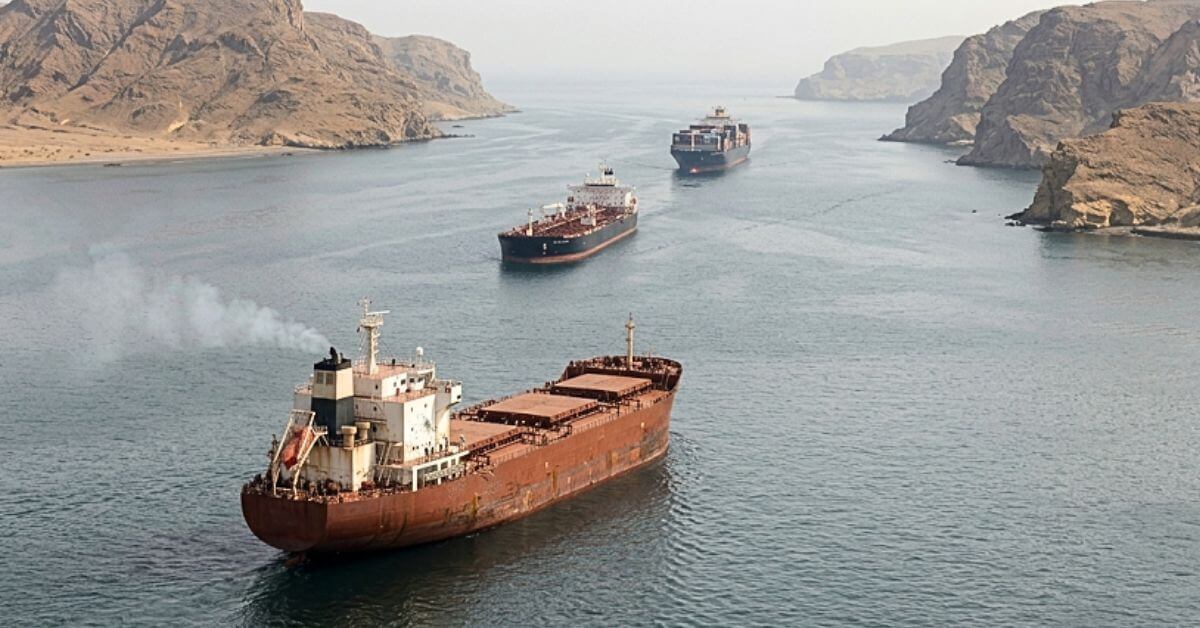
The escalating geopolitical tensions surrounding the Strait of Hormuz, as highlighted by recent pronouncements and threats, underscore a critical vulnerability in global interconnectedness. This vital waterway, a linchpin for a significant portion of the world's oil supply, faces the potential for severe disruption, with far-reaching consequences for economic stability and international relations. While the immediate focus is on the political and military dimensions of this crisis, it is imperative to recognize the underlying, broader implications for global trade, energy security, and the intricate web of maritime operations that sustain our interconnected world. The threat of closure, or even significant interference, in such a critical chokepoint serves as a stark reminder of how fragile global supply chains can be and the profound impact that regional instability can have on a global scale.
From the perspective of World Data Ocean, this situation emphasizes the urgent need for comprehensive, real-time ocean intelligence. Understanding the dynamics of maritime traffic, the flow of essential resources, and the potential ripple effects of geopolitical events is paramount for effective stewardship and informed decision-making. The ability to monitor and analyze such situations with validated, empirical data allows for a more nuanced understanding of risks and opportunities. This extends beyond immediate crisis management to long-term strategic planning, enabling policymakers and industry leaders to anticipate challenges and develop resilient solutions. The interconnectedness of our planet means that events in one region, particularly those impacting crucial maritime arteries, invariably have global repercussions that demand a data-driven approach to comprehend and mitigate.
The imperative for global collaboration in navigating such complex challenges cannot be overstated. The data we collect and the insights we derive are most impactful when shared and integrated across diverse stakeholders – from research institutions and governmental bodies to international organizations and the private sector. This collaborative ecosystem fosters a more robust understanding of the intricate systems that govern our planet, including the vital role of our oceans in global commerce and stability. As we face increasing instances of regional conflict and environmental pressures, the development and deployment of advanced technological solutions for ocean monitoring and data integration become not merely advantageous, but essential for safeguarding shared prosperity and promoting sustainable practices. The resilience of our global systems hinges on our collective ability to access, understand, and act upon accurate, timely information.