French Fishermen Block Key Mediterranean Ports Over Rising Fuel Costs Linked To US-Iran War
Our take
The recent blockade of key Mediterranean ports by French fishermen, protesting rising fuel costs directly linked to escalating tensions between the U.S. and Iran, represents a tangible consequence of geopolitical instability impacting vital global industries. These actions, targeting ports in Nice and Sete and an oil depot in Frontignan, underscore the interconnectedness of international relations, energy markets, and local economies. The situation is further complicated by concurrent events in the region, such as [U.S. Officials Meet Houthi Representatives In Oman Days After The Group Seizes Part Of Yemen’s Red Sea Coast], highlighting the broader fragility of maritime security and trade routes in the Middle East. Furthermore, the recent [Oil Prices Fall 1.2% After Saudi Arabia Announces Crude Exports Via Oman Following Pipeline Attack] demonstrates the immediate and fluctuating impact of regional conflicts on global energy pricing, directly affecting sectors like fishing which rely heavily on fuel.
The fishermen's protest isn't merely a localized grievance; it's a symptom of a larger systemic vulnerability. The cost of fuel has become a critical factor in the viability of small-scale fishing operations across Europe, and these operations are often foundational to coastal communities. Rising fuel prices, exacerbated by the ongoing U.S.-Iran conflict and its influence on global oil supply, disproportionately impact these smaller players, putting their livelihoods and the sustainability of their practices at risk. The choice to block ports, while disruptive, reflects a desperate measure taken by those feeling increasingly marginalized by forces beyond their control. This incident provides a stark illustration of how broader geopolitical events can cascade down to impact everyday industries and communities, and how the ripple effects are felt most acutely by those operating on narrow margins. The reliance on fossil fuels, particularly in sectors like maritime transport, remains a significant point of vulnerability, highlighting the need for diversified energy sources and more resilient supply chains.
The broader significance of this event extends beyond the immediate economic impact on French fishing communities. It serves as a case study in the potential for localized disruptions to global trade and supply chains stemming from regional instability. The Mediterranean Sea is a crucial artery for international commerce, and any significant disruption to maritime traffic can have far-reaching consequences. The blockade also underscores the increasing complexity of attributing cause and effect in a world characterized by interconnected systems. While the immediate trigger is rising fuel costs, the underlying driver is the ongoing U.S.-Iran geopolitical standoff, which itself has numerous contributing factors. Understanding these complex relationships requires a holistic approach, moving beyond simplistic explanations to consider the interplay of political, economic, and environmental factors. This situation demands a careful evaluation of risk mitigation strategies and a renewed focus on fostering regional stability.
Looking ahead, the question becomes whether this event will trigger a broader wave of similar actions by other industries vulnerable to fuel price volatility and geopolitical risk. The resilience of global supply chains, and the ability of governments to effectively manage the cascading effects of international crises, will be increasingly tested in the coming months. The long-term implications for the fishing industry, and for the broader maritime sector, will depend on the trajectory of U.S.-Iran relations and the global transition towards more sustainable and secure energy sources. Will this serve as a catalyst for accelerating the adoption of alternative fuels and more efficient maritime technologies, or will it simply reinforce the vulnerability of existing systems?
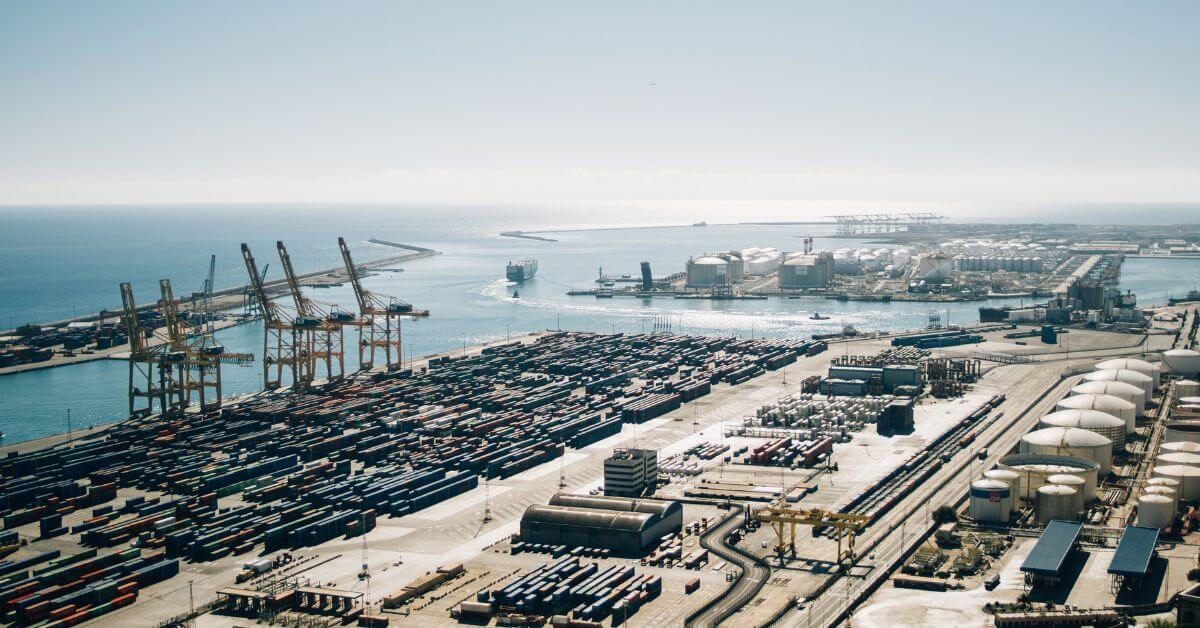
French fishermen blocked the entrances to the ports of Nice and Sete and an oil depot in Frontignan on Thursday, Sept. 17. They were protesting against rising fuel prices linked to the US-Iran war.
The protests took place along France’s Mediterranean coast as diesel prices neared a record high. Fishermen are also unhappy about fishing rules and other costs facing the industry.
The fishermen agreed to end the blockades after six hours of talks, French Junior Minister for Fisheries Catherine Chabaud said on Thursday.
She said fishermen facing cash-flow problems would be given zero-interest loans. Fuel support would also be linked to changes in fuel prices, she said.
Diesel, the most widely used fuel in France, cost more than 2.37 euros per litre ($2.72) on Thursday. That was just below the record of 2.38 euros, according to an AFP analysis of government data.
The protests had been going on for three days.
Prime Minister Sebastien Lecornu said on Wednesday that the government would raise petrol subsidies for the fishing industry to the highest level allowed under European Union rules.
The move did not stop the protests.
Lecornu later extended emergency fuel subsidies for the agriculture, fishing and construction sectors until the end of the year.
The French government has blamed the US-Iran conflict for much of the recent pressure on fuel prices.
Crude prices have risen by about 20% this month as the ongoing conflict between the United States and Iran continues. Saudi Arabia has also been forced to shut a key pipeline while it battles Houthi fighters in Yemen.
The fishermen have also raised issues over European regulations, bluefin tuna catch limits and new rules for eel fishing.
Higher energy prices are also making the government’s work on the 2027 budget harder.
France is due to present the budget at the end of the month. The country’s parliament is deeply divided, while a bond market selloff has pushed French borrowing rates to their highest level since 2008.
Finance Minister Roland Lescure said last Friday that the effects of the Middle East crisis meant the government would miss its fiscal deficit target this year.
He also said the government was struggling to find spending cuts that opposition parties would accept.
President Emmanuel Macron has called party leaders to a meeting on Friday to discuss the situations in the Middle East and Ukraine and their impact on energy markets.
References: dawn, theweek
Read on the original site
Open the publisher's page for the full experience