Faulty Valve Releases 700kg Of Highly Flammable Gas From Ferry Carrying 82 Passengers
Our take
The recent incident involving the Glen Sannox ferry and the uncontrolled release of 700kg of methane underscores a critical juncture in the maritime industry's transition to alternative fuels. While liquefied natural gas (LNG) has been widely adopted as a bridge fuel to reduce emissions compared to traditional heavy fuel oil, this event highlights the inherent risks associated with its handling and storage. The potential for catastrophic failure, as demonstrated by this near miss with 82 passengers onboard, demands a rigorous re-evaluation of safety protocols and engineering redundancies. This situation echoes concerns raised in other areas of maritime development, such as the complexities arising from tracking underwater vessels—as evidenced by [China Uses Warship Sounds To Improve Submarine Target Tracking]—and the escalating legal disputes related to cancelled contracts in the Arctic energy sector, including [Hanwha Ocean Faces $1 Billion Damages Claim Over Cancelled Contracts For Russia’s Arctic LNG 2]. The incident also occurs against a backdrop of shifting geopolitical dynamics in energy transport, as seen with [Qatar LNG Tanker Sails Through Strait Of Hormuz For First Time Since July], adding layers of complexity to the already challenging landscape.
The methane leak itself is particularly concerning given methane’s potent greenhouse gas properties—far exceeding that of carbon dioxide over a shorter timeframe. While the immediate risk of explosion was averted, the environmental impact of this release, however localized, contributes to global climate change indicators. The fact that a faulty valve was the culprit suggests a systemic issue potentially affecting numerous LNG-powered vessels globally. A thorough investigation is warranted, not only to determine the precise cause of the failure but also to assess the broader fleet’s vulnerability to similar incidents. This necessitates a move beyond reactive measures and towards proactive, data-driven risk assessments. Integrated data ecosystems, leveraging real-time sensor data and predictive analytics, could provide invaluable early warning systems to prevent such occurrences. Such systems would require calibrated and validated models, incorporating longitudinal operational data to improve accuracy and reliability.
The incident also raises questions about the speed and thoroughness of regulatory oversight within the maritime sector. While international maritime regulations exist, their effective implementation and enforcement remain a challenge. The complexity of LNG-powered vessels, with their specialized fuel storage and handling systems, demands a higher level of scrutiny and independent verification. Peer-reviewed research into best practices for LNG safety, coupled with the development of standardized protocols for valve maintenance and inspection, are crucial steps. Furthermore, the incident highlights the importance of robust crew training and emergency response procedures. A culture of safety, where potential hazards are proactively identified and addressed, must be prioritized above operational expediency. Ocean intelligence, derived from a comprehensive understanding of vessel operations and environmental conditions, can inform these training programs and enhance preparedness.
Ultimately, this event serves as a stark reminder that technological innovation must be accompanied by an unwavering commitment to safety and environmental responsibility. The transition to cleaner fuels should not compromise the well-being of passengers, crew, or the marine environment. Moving forward, the maritime industry needs to embrace a holistic approach that integrates robust engineering, stringent regulatory oversight, and a proactive data-driven safety culture. A key question to watch is whether this incident will trigger a fundamental shift in the industry's approach to LNG safety, or if it will be viewed as an isolated incident, delaying necessary improvements in operational protocols and engineering design.
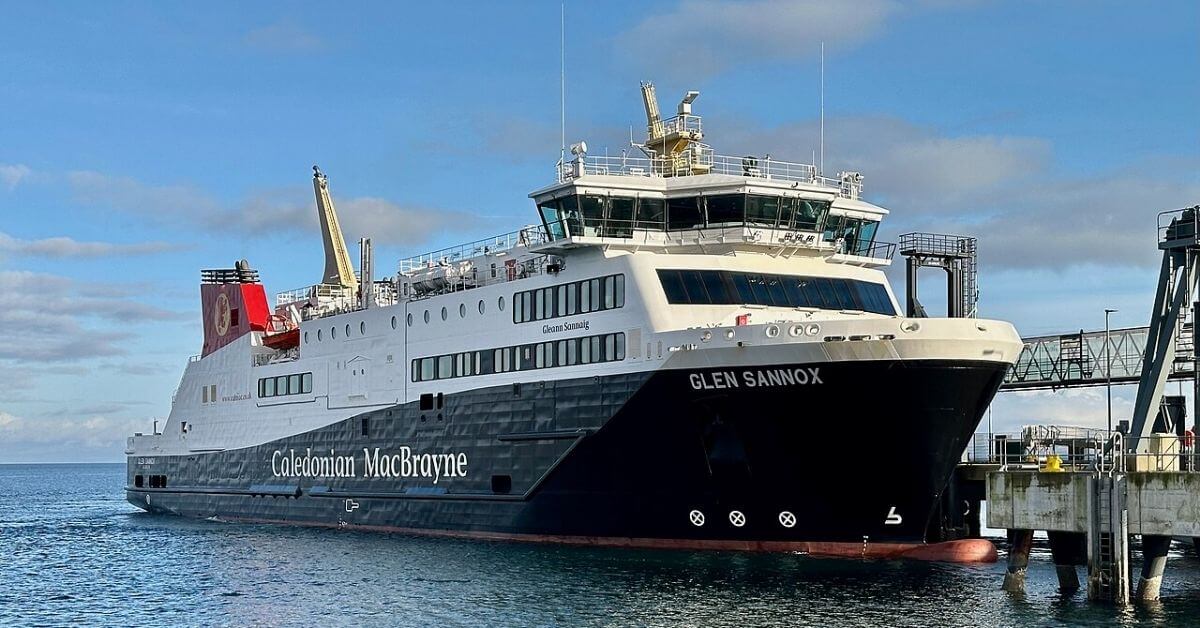
A faulty valve on an LNG-powered ferry named Glen Sannox caused the uncontrolled leak of about 700kg of highly flammable methane in Scotland last year, according to an investigation by the operator, CalMac.
The ferry was carrying 82 passengers when the incident happened on June 3, 2025, while travelling between the Isle of Arran and the mainland. The gas continued to escape for about 12 minutes.
Some of the gas entered a ventilation intake and reached the ship’s generator room, setting off the gas alarms.
The port main engine also shut down automatically while the ferry was heading towards Brodick on Arran.
CalMac described the failure in the ferry’s gas fuel system as “critical”. It said the chance of an explosion was low.
The ferry finished that crossing using diesel fuel. However, methane leaked again during its return trip to Troon in South Ayrshire.
The operator’s investigation found that the crew should not have used gas again before finding out why the alarm had gone off.
Glen Sannox began passenger services in January 2025. It is the first UK-built ferry of its type to use liquefied natural gas (LNG).
The vessel’s propulsion system was designed, supplied and commissioned by Finnish company Wärtsilä, which is known for its LNG engines. The company worked on the project as a subcontractor to Ferguson Marine shipyard.
The amount of methane released during the incident was about 700kg. CalMac said this was enough gas to fill a four-bedroom house.
The incident was not announced publicly at the time. BBC Scotland News obtained details through a freedom of information request and reported them on Wednesday.
Glen Sannox has not used LNG to run its main engines since the incident. The vessel’s methane tank was fully emptied in November 2025.
CalMac said it had taken action after the incident and that lessons had been learned. The operator said the ferry is safe to use LNG.
A CalMac spokeswoman said Glen Sannox had become an important part of the company’s vessel fleet and had been providing services on several routes during 2026.
She said the ferry was not filled with LNG again after its annual overhaul at the start of this year because the company wanted to get the vessel back into service as quickly as possible.
References: BBC, dailyrecord
Read on the original site
Open the publisher's page for the full experience