Can geoengineering blunt El Niño’s fury?
Our take
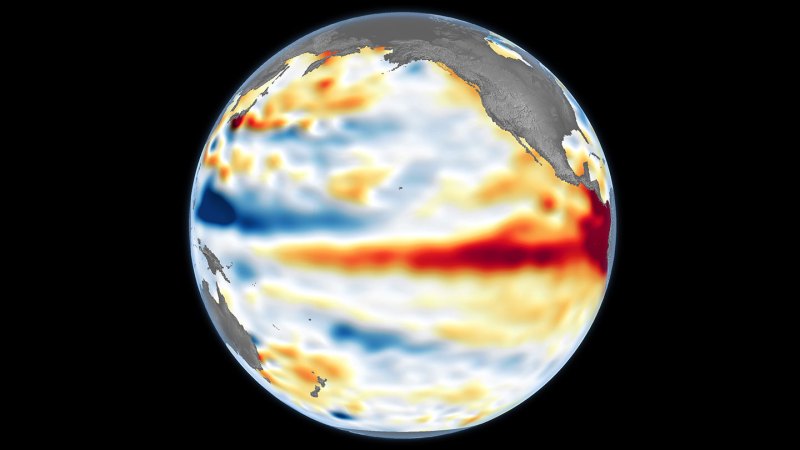
The prospect of actively intervening in Earth’s climate system, even with targeted approaches like marine cloud brightening (MCB), demands rigorous scrutiny and a measured response. Recent simulations suggesting MCB could mitigate the intensity of extreme El Niño events present a tantalizing possibility, but also underscore the complexities and potential risks inherent in geoengineering strategies. While the simulations offer a glimpse of potential benefits – lessening the devastating impacts of intensified El Niños on global weather patterns and food security – they are, at this stage, just that: simulations. The inherent uncertainties in climate modeling, coupled with the potential for unforeseen consequences, necessitate a cautious and empirically-driven approach. This discussion comes at a time when understanding the fragility of marine ecosystems is paramount, as highlighted by research demonstrating that Nutrient reduction scenarios cannot offset climate-driven habitat deterioration of Posidonia oceanica, emphasizing that even seemingly positive interventions can have unintended ecological repercussions. Furthermore, the challenges facing those who operate within the marine environment, as detailed in 4,992 Seafarers And Family Members Sought Help As Life At Sea Became More Complex In 2025, remind us of the interconnectedness of ocean health and human wellbeing; interventions affecting ocean systems must consider these human factors as well.
The appeal of MCB lies in its potential for regional, targeted cooling. By spraying microscopic seawater particles into low-lying marine clouds, the reflectivity of those clouds increases, reflecting more sunlight back into space and thereby cooling the underlying ocean surface. This, in theory, could weaken the temperature gradients that drive El Niño, reducing its intensity. However, the devil is in the detail. Accurate calibration – ensuring the particles are the right size and dispersed effectively – is crucial, and deviations from optimal conditions could have unpredictable consequences. Moreover, the models themselves rely on assumptions regarding cloud behavior and atmospheric dynamics. The recent findings regarding the ease with which AI tools designed to vet scientific research can be fooled AI tools meant to vet science are surprisingly easy to fool serves as a stark reminder that even sophisticated simulations are vulnerable to underlying biases and limitations, and underscores the need for robust, independent validation of any geoengineering proposal.
Beyond the immediate scientific challenges, the ethical and governance implications of MCB are profound. Deploying such a technology on a regional scale raises questions of international cooperation, potential conflicts over resource allocation, and the risk of unintended consequences for downwind regions. Who decides when and where to deploy MCB? What mechanisms are in place to ensure equitable distribution of benefits and mitigation of risks? The inherent complexity of the Earth's climate system means that any intervention, even one seemingly localized, could trigger cascading effects that are difficult to anticipate or control. A purely technological solution, without a corresponding commitment to reducing greenhouse gas emissions, represents a dangerous gamble. MCB should be viewed, if at all, as a potential emergency measure – a temporary bridge while we pursue more sustainable long-term solutions.
Ultimately, the simulations surrounding MCB and El Niño highlight a critical juncture in our understanding of climate intervention strategies. While the prospect of taming extreme weather events is undeniably attractive, the scientific uncertainties, ethical dilemmas, and potential risks demand a highly cautious and transparent approach. It is imperative that future research focuses not only on refining the modeling of MCB's effects but also on developing robust governance frameworks and international agreements to ensure responsible exploration and, potentially, deployment of such interventions. What robust, longitudinal, empirical data will be required to move beyond simulations and validate the long-term, global consequences of marine cloud brightening before any real-world testing is considered?
Read on the original site
Open the publisher's page for the full experience