Asian Port Delays Cause Sharpest Drop In Global Vessel Reliability Since 2021
Our take
The recent report detailing a sharp decline in global vessel reliability, driven by congestion at Asian ports, underscores a critical vulnerability within the interconnected maritime ecosystem. The magnitude of the drop, the most significant since 2021, highlights the fragility of global supply chains and the cascading effects of localized disruptions. This situation isn’t merely an inconvenience for shipping companies; it directly impacts the flow of goods worldwide, potentially influencing inflation, manufacturing output, and consumer access to products. The timing is particularly noteworthy given ongoing geopolitical tensions, as evidenced by the [Vessel Shortage Disrupts India’s Auto Exports Due To Ongoing West Asia Conflict], which further constricts available shipping capacity and exacerbates delays. Understanding the root causes – and developing proactive mitigation strategies – is paramount. The ripple effects extend beyond purely economic considerations; even shifts in marine ecosystems, such as the [A fishing-ground shift concentrates the chub mackerel (Scomber japonicus) catch on small fish], can be indirectly influenced by altered shipping patterns and increased vessel activity.
The congestion itself is likely a complex interplay of factors. Increased consumer demand following pandemic-related lockdowns continues to put pressure on ports, while labor shortages and infrastructure limitations within some Asian hubs contribute to bottlenecks. Furthermore, evolving weather patterns, increasingly impacted by climate change, can disrupt port operations and create unpredictable delays. The fact that all 14 of the busiest Asian ports experienced reduced on-time arrival rates signals a systemic issue, not an isolated incident. This calls for a broader, integrated approach to port management, incorporating real-time data analytics and predictive modeling to anticipate and proactively address potential disruptions. The UK's recognition of maritime heroes [UK Honours Maritime Heroes With 2026 Merchant Navy Medals For Outstanding Service] further emphasizes the critical human element in maintaining the integrity of these systems, and underscores the need for investment in training and workforce development to address existing and future challenges.
The implications of this declining vessel reliability are far-reaching. Businesses reliant on just-in-time inventory management are particularly vulnerable, facing potential production halts and increased costs. Consumers may experience price increases and longer lead times for goods. From a broader perspective, this situation reinforces the need for diversification of supply chains and a move away from over-reliance on single geographic regions. Investing in resilient infrastructure, both within ports and across transportation networks, is crucial. Moreover, the integration of ocean intelligence – leveraging data from satellites, sensors, and vessel tracking systems – can provide valuable insights into port congestion patterns, allowing for more informed decision-making and optimized routing strategies. Calibrated predictive models, validated by longitudinal data, are essential tools for mitigating future disruptions and ensuring the stability of global trade.
Looking ahead, the question becomes: how can we build a more resilient and adaptable maritime ecosystem? While short-term solutions might focus on optimizing port operations and addressing labor shortages, a long-term strategy requires a fundamental shift towards greater transparency and collaboration across the entire supply chain. The development of an integrated data ecosystem, allowing for real-time sharing of information between ports, shipping companies, and cargo owners, is essential. The challenge lies in fostering trust and establishing standardized data protocols to ensure seamless integration. Continuous monitoring of climate indicators and their potential impact on maritime routes will also be critical for proactive risk management and ensuring the long-term sustainability of global trade.
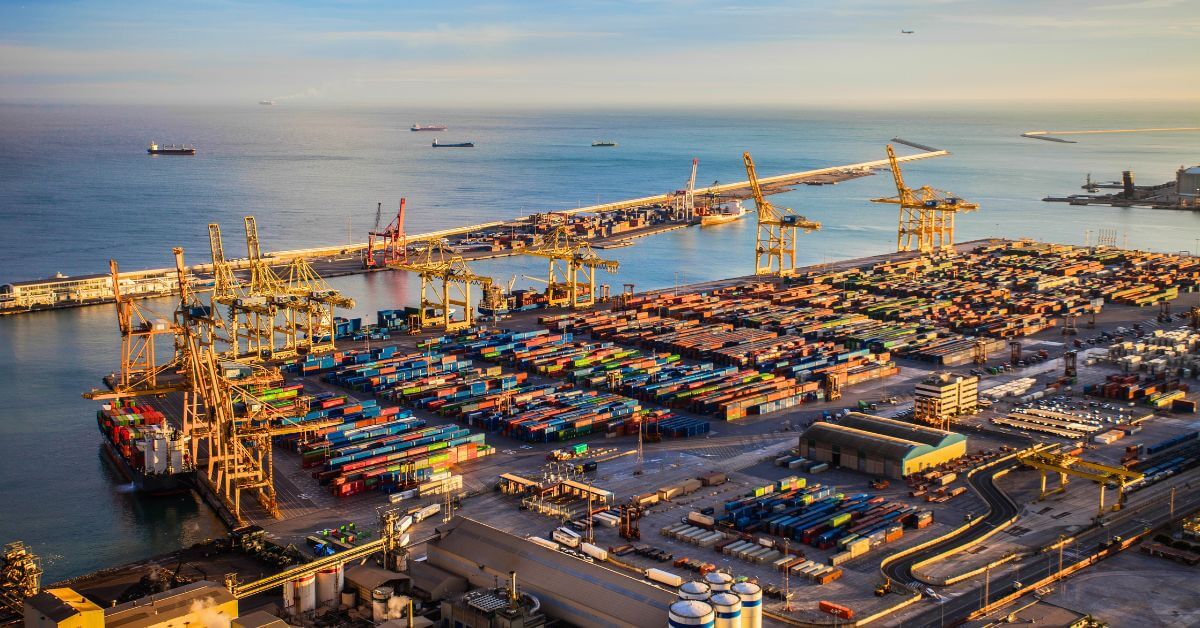
Global container vessel reliability fell sharply in July as delays at major Asian ports affected ship arrivals.
Schedule reliability fell to 56.4% in July 2026, down 6.1 percentage points from June, according to Sea-Intelligence. It was the biggest monthly fall since January 2021.
Late vessels also took longer to arrive. The average delay increased by 0.59 days to 6.06 days.
Congestion at Asian ports was the main reason for the drop. All 14 of the busiest container ports in Asia saw lower on-time arrival rates in July.
Shanghai saw a sharp fall. Its reliability dropped 19.2 percentage points to 21.0%. Only 21% of vessels arrived on time.
Alan Murphy, CEO of Sea-Intelligence, said Shanghai’s figure was particularly concerning. He said that, outside the severe supply chain disruption during the COVID-19 pandemic, Shanghai’s reliability had never been this low in 14 years of recorded data.
Yantian, Hong Kong and Ningbo also see major drops
Yantian recorded the biggest fall among the major Asian ports. Its reliability dropped 23.5 percentage points to 48.3%.
Hong Kong fell 20.4 percentage points to 51.6%, while Ningbo dropped 20.1 percentage points to 34.6%.
Ningbo became the world’s second-largest container port in the first half of 2026, according to the supplied source material.
Shanghai and Ningbo have also been hit by consecutive typhoons this year. Typhoon Saudel caused severe delays at the two ports the previous week.
Other major Asian ports also recorded weaker performance.
Singapore’s reliability fell 5.7 percentage points to 43.2%. Singapore is the world’s largest transhipment hub.
Port Klang recorded reliability of 33.3%, while Busan stood at 40.9%.
Delays could spread to other shipping routes
The delays at Asia’s busiest ports could affect vessel schedules in other parts of the shipping network.
“With the region’s busiest ports operating with more than half of their incoming vessels delayed, this backlog will naturally cascade through the maritime network, likely triggering a new wave of delays for critical head-haul trade lanes in the coming months,” Murphy said.
The global reliability rate fell by 6.1 percentage points in July, while the average delay for late vessels rose to 6.06 days.
Asia-Europe Shipping Routes Change
The port delays come as shipping lines are looking to end the more than two-and-a-half-year rerouting of Asia-Europe services around the Cape of Good Hope.
They are seeking to return to the Suez Canal and Red Sea, despite the continuing security threat from the Houthis in Yemen and their “blockade” of Saudi Arabian ports, according to the supplied material.
The changes mean shipping lines are dealing with port delays at the same time as they make decisions about Asia-Europe routes.
Sea-Intelligence expects the backlog at Asian ports to cause more delays on major shipping routes in the coming months.
Reference: sea intelligence
Read on the original site
Open the publisher's page for the full experience