AI reveals a massive algae boom across the world’s oceans
Our take
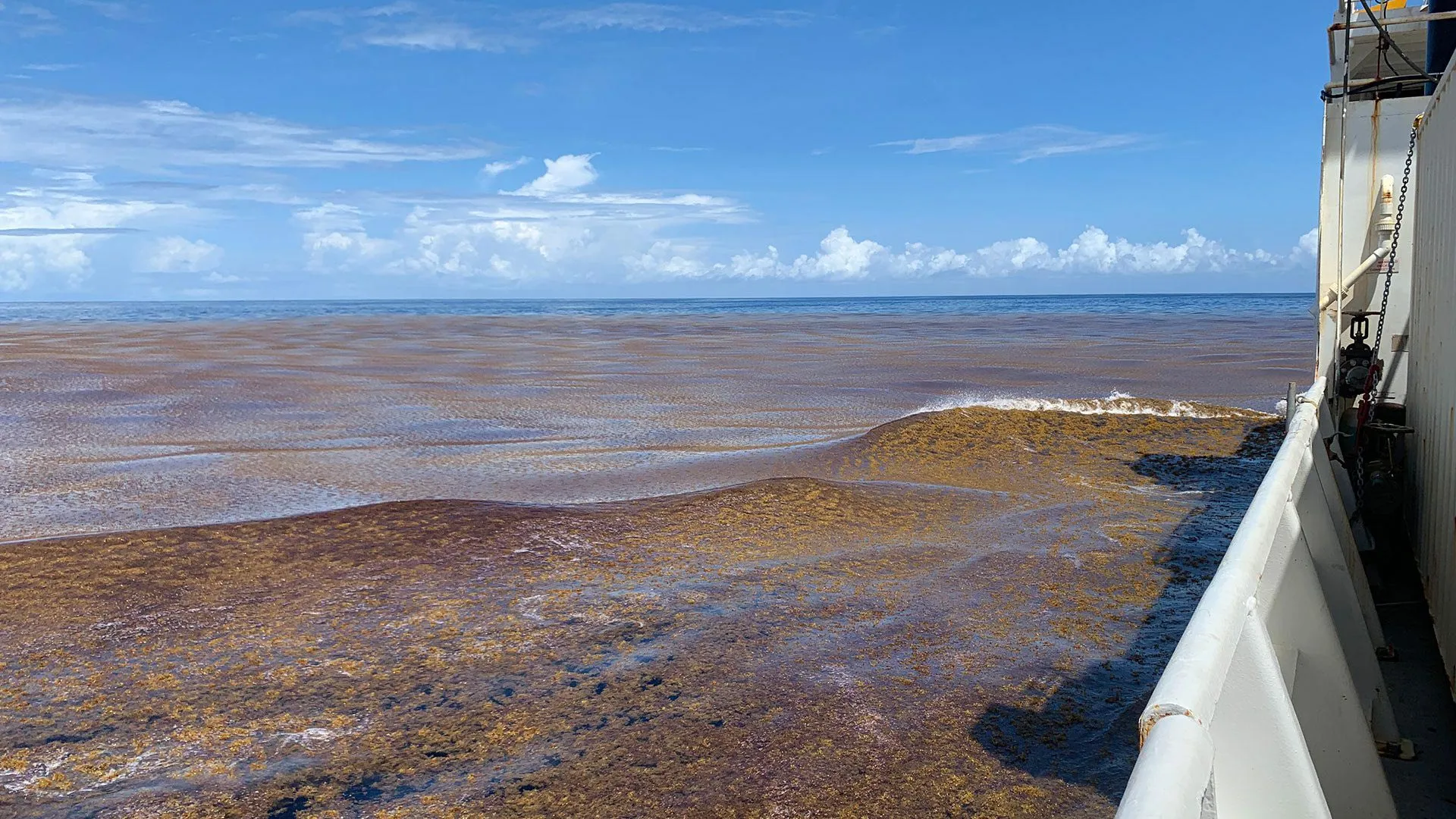
The recent discovery of widespread, rapidly expanding algae blooms across the world's oceans, revealed through an analysis of 1.2 million satellite images, underscores the escalating impact of climate change and highlights the increasing reliance on artificial intelligence for ocean monitoring. This isn’t merely an isolated ecological event; it represents a significant shift in marine ecosystems with potentially far-reaching consequences. The scale of this phenomenon, detectable only through the processing power of AI, emphasizes the limitations of traditional observation methods and reinforces the need for integrated data ecosystems. As demonstrated in the US Advances Shipyard Modernisation Project With AI And Robotics To Revive Shipbuilding Industry, leveraging AI for large-scale data analysis is proving invaluable across various sectors, and oceanography is no exception. The ability to identify and track these blooms in real-time is critical for understanding their dynamics and predicting their impact.
The potential ecological and economic ramifications are substantial. While algae blooms are a natural phenomenon, their unprecedented scale and rapid expansion suggest a disruption to established ocean processes. The resulting decay of these massive seaweed mats can deplete oxygen levels, creating “dead zones” that harm marine life. Furthermore, the decomposition releases harmful gases, impacting air quality and posing risks to coastal communities. These blooms can also disrupt fisheries, damage tourism, and clog waterways, leading to significant economic losses. The U.S. Coast Guard’s efforts to develop U.S. Coast Guard Seeks Combat-Ready Tech To Neutralise Underwater Drones, while focused on a different threat, illustrates the increasing need for advanced technological solutions to address emerging challenges within the maritime domain. The sheer volume of data required to monitor and respond to these events necessitates a sophisticated and integrated approach.
The underlying drivers of this surge in algae blooms are complex and likely multifaceted. Rising ocean temperatures, increased nutrient runoff from agricultural lands, and changes in ocean circulation patterns, all linked to climate change, are contributing factors. The ability of these blooms to reshape marine habitats highlights their potential to fundamentally alter the structure and function of ocean ecosystems. Empirical data and longitudinal studies will be crucial for validating these connections and developing effective mitigation strategies. The recent incident of the Norwegian Chemical Tanker Catches Fire Off Fredrikstad, while unrelated in direct cause, serves as a reminder of the fragility of marine environments and the potential for cascading events. A deeper understanding of these interconnected systems is paramount to ensuring ocean health.
Moving forward, the continued application of AI and machine learning to ocean data will be essential for monitoring these blooms and predicting their future behavior. Investment in ocean intelligence—integrating satellite data, in-situ measurements, and hydrodynamic models—will be vital. The development of calibrated predictive models, validated through rigorous peer-review, can provide policymakers and coastal managers with the information needed to implement proactive measures. A critical question remains: can we rapidly accelerate the pace of ocean monitoring and predictive capabilities to effectively mitigate the impact of these increasingly frequent and expansive algal blooms, and ultimately, safeguard the health of our oceans?
Read on the original site
Open the publisher's page for the full experience