A tropical permafrost layer in Peru may be one of the world’s largest
Our take
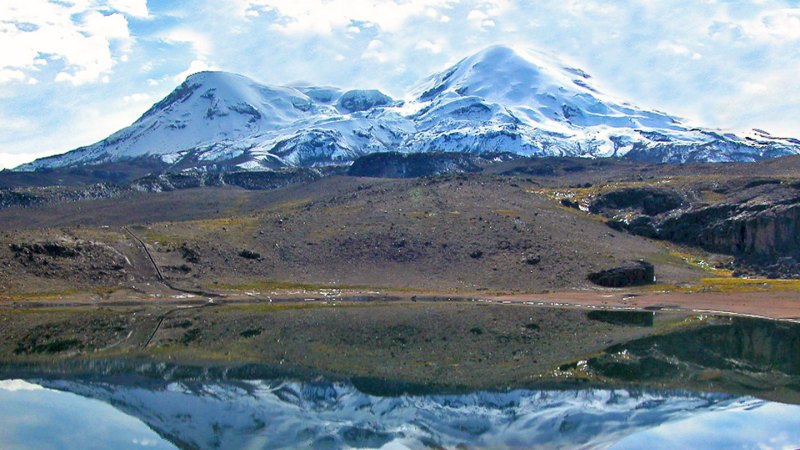
The recent discovery of a vast permafrost layer beneath the slopes of Peru’s highest volcano, Huascarán, presents a compelling and somewhat unexpected development in our understanding of climate-driven shifts in terrestrial water resources. While the retreat of Andean glaciers has long been recognized as a significant threat to water security in the region, the potential emergence of this previously unknown permafrost as a supplementary water source offers a nuanced, and cautiously optimistic, perspective. This finding builds upon existing research demonstrating the sensitivity of polar and high-altitude ice to rising temperatures—as evidenced by observations of Alaska’s glaciers have a startling response to rising temperatures—and highlights the complex, often non-linear, responses of Earth’s systems to a changing climate. The scale of this permafrost, estimated to be among the largest globally, is particularly noteworthy, suggesting that similar, yet undiscovered, reservoirs might exist in other high-altitude, volcanic regions. It underscores the need for expanded, integrated data collection efforts to accurately map and characterize these potentially vital, but vulnerable, resources.
The significance extends beyond the immediate implications for Peruvian water management. Understanding the thermal dynamics of high-altitude permafrost is crucial for refining global climate models, which currently often lack the resolution to accurately represent these localized but impactful phenomena. The discovery also connects to the broader global picture of changing oceanic and atmospheric systems. For instance, research into predicting the distribution of phytoplankton communities, such as that detailed in Predicting global distributions of eukaryotic plankton communities from satellite data | ISME Communications - Nature, demonstrates the power of integrated data sets in revealing complex relationships between environmental factors and biological responses. The thermal changes impacting Peruvian permafrost are inextricably linked to larger-scale climate patterns, and their effects will ripple outwards, impacting everything from regional precipitation patterns to ocean currents. Furthermore, the potential for permafrost thaw to release previously sequestered organic matter, impacting regional biogeochemical cycles, requires careful monitoring—a task complicated by the inherent challenges of accessing and studying these remote environments.
However, it's critical to temper any optimism with a grounded understanding of the complexities involved. The stability of this permafrost layer is directly threatened by continued warming, and its role as a reliable water source is far from guaranteed. Accelerated thaw could lead to unpredictable meltwater release, potentially increasing flood risk and destabilizing surrounding landscapes. Moreover, the water quality of meltwater from permafrost can be significantly impacted by the release of contaminants—including organic carbon, heavy metals, and potentially even ancient pathogens—requiring rigorous assessment before it can be utilized for human consumption or irrigation. The research also necessitates a more comprehensive assessment of the interplay between glacial meltwater and permafrost thaw—a dynamic relationship that is likely to be highly sensitive to changes in precipitation patterns and temperature. As highlighted by studies concerning Future wave climate in the NW Mediterranean from multi-model CMIP6 wind projections, understanding regional climate projections is paramount for informed resource management.
Ultimately, the discovery of this significant permafrost deposit underscores the imperative for continued scientific exploration and rigorous monitoring of high-altitude environments. It serves as a potent reminder that our understanding of Earth's systems remains incomplete and that climate change continues to reveal unexpected and often complex consequences. Moving forward, a crucial question will be: how can we leverage this newfound knowledge to develop adaptive water management strategies that prioritize both resilience and sustainability in a rapidly changing world? Integrated, longitudinal data collection, informed by validated empirical models, will be essential for predicting the long-term behavior of this permafrost reservoir and mitigating potential risks associated with its thaw.
Read on the original site
Open the publisher's page for the full experience