A space telescope was falling from orbit. Its rescue mission fell apart too
Our take
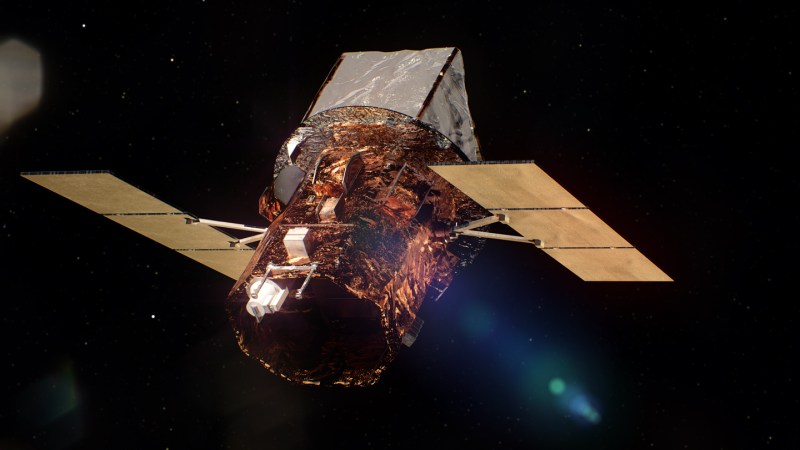
The recent, highly publicized failure of NASA’s mission to refuel and extend the life of the Swift telescope serves as a stark, albeit valuable, lesson in the nascent field of satellite servicing. While the endeavor garnered significant attention, its ultimate failure shouldn’t be viewed as a complete setback, but rather as a critical data point illuminating the complexities and inherent risks involved in on-orbit repairs and refueling. The ambition itself – to extend the operational lifespan of a vital scientific instrument – is laudable and directly aligns with the growing need for sustainable space practices. As we increasingly populate low Earth orbit and beyond, the concept of in-space servicing becomes less a futuristic fantasy and more a logistical necessity. This failure highlights the challenges of precisely maneuvering robotic systems around complex, aging spacecraft, a challenge exacerbated by the unpredictable nature of the space environment. It underscores the gap between theoretical capabilities and reliably executing them in the demanding reality of orbital mechanics. For a deeper dive into the burgeoning space servicing industry, explore Space Servicing: A Growing Market and for a look at the broader challenges of space debris and sustainability, consider Space Sustainability Rating.
The failure of the Swift mission isn’t solely a technical one; it also exposes the economic realities of satellite servicing. While the potential benefits – extending mission lifespans, upgrading capabilities, and even deorbiting defunct satellites – are compelling, the upfront investment required for developing and deploying servicing infrastructure remains substantial. NASA's attempt, utilizing a commercial robotic arm, was intended to demonstrate the viability of this approach and potentially reduce costs compared to launching entirely new satellites. The high-profile nature of the failure, therefore, carries significant implications for attracting further private investment in the sector. The lessons learned from Swift – concerning robotic dexterity, fuel transfer techniques, and the inherent uncertainties of working with legacy hardware – will undoubtedly inform future servicing missions, but the financial appetite for those missions may be tempered. The cost-benefit analysis now requires a more rigorous accounting of risk, and a clearer demonstration of long-term return on investment.
Beyond the immediate implications for satellite servicing, the Swift incident sheds light on the broader challenge of space sustainability. As the number of satellites in orbit continues to increase exponentially, so too does the risk of collisions and the creation of space debris. Extending the operational life of existing satellites, and ultimately removing defunct ones, is a crucial component of mitigating this risk. The current approach, largely reliant on satellites simply “dying” and becoming debris, is demonstrably unsustainable. The successful development of satellite servicing capabilities is not just about saving money or extending scientific missions; it’s about safeguarding the orbital environment for future generations. A proactive approach to managing space debris and ensuring the long-term viability of space activities is essential, and the lessons from Swift, while painful, contribute to this vital conversation. Consider the urgency of this issue outlined in Space Debris Mitigation.
The failure of the Swift servicing mission, while disappointing, is a necessary step in the evolution of orbital technology. It forces a recalibration of expectations, a more realistic assessment of the challenges, and a renewed focus on developing robust and reliable servicing capabilities. The question now isn't whether satellite servicing is possible – the potential is clearly evident – but rather how we can accelerate its development in a cost-effective and sustainable manner. Will the industry shift towards prioritizing servicing of newer, specifically designed satellites, or can we realistically expect to routinely repair and refuel aging spacecraft like Swift? The answer to this question, and the technological advancements that shape it, will profoundly influence the future of space exploration and utilization.
Read on the original site
Open the publisher's page for the full experience