A popular climate fix could accidentally trigger massive changes to global weather
Our take
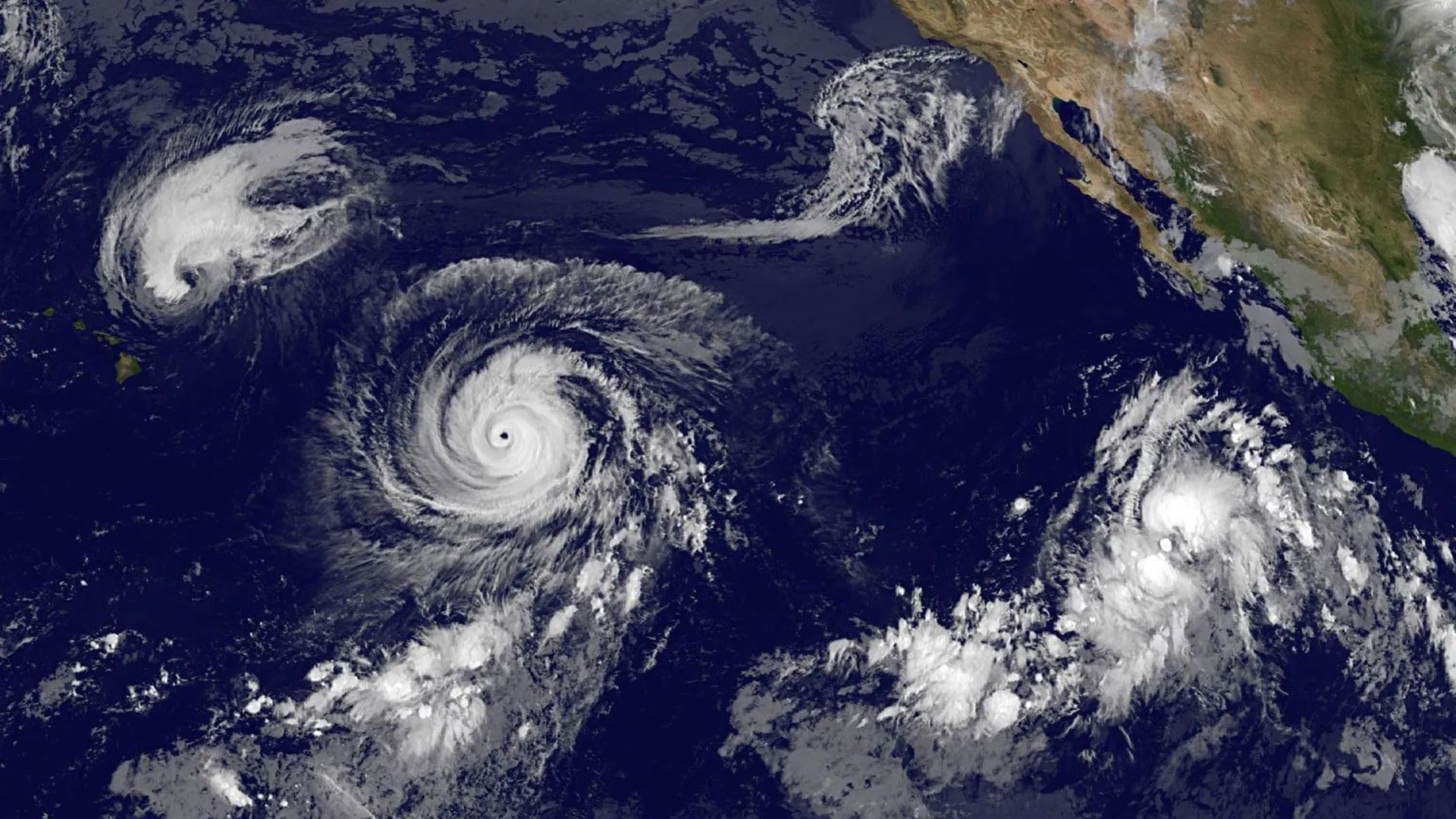
The recent study highlighting the potentially drastic and unforeseen consequences of marine cloud brightening as a geoengineering strategy serves as a critical reminder of the complexities inherent in intervening within Earth’s climate system. While the prospect of mitigating climate change through technological solutions remains a subject of intense research and debate, this research underscores the necessity of rigorous, validated modeling and empirical observation before any large-scale deployment. The findings, which indicate that brightening marine clouds over the eastern Pacific could significantly weaken the El Niño cycle, stand in stark contrast to the relatively muted impact observed with stratospheric aerosol injection. This divergence emphasizes the importance of a nuanced understanding of regional climate dynamics, and the potential for seemingly targeted interventions to trigger cascading effects across the globe. It echoes findings in related research, such as [Seawater fogging reduces mortality and bleaching in two coral species during a heatwave and subsequent recovery], which demonstrates targeted localized interventions can alleviate specific stressors on marine ecosystems, but also highlights the unpredictable nature of complex systems. Understanding the interplay of these factors is increasingly vital, and the need for integrated data ecosystems becomes more apparent.
The contrast between the two geoengineering approaches – marine cloud brightening and stratospheric aerosol injection – is particularly noteworthy. Stratospheric aerosol injection, often envisioned as mimicking the cooling effect of volcanic eruptions, appears to have a more uniform impact on global climate models. However, the potential for unintended consequences remains, and the ethical considerations surrounding such a large-scale intervention are substantial. Marine cloud brightening, on the other hand, introduces regional complexities, as demonstrated by this study's focus on the El Niño cycle. This cycle, a recurring pattern of ocean temperature and atmospheric pressure changes across the tropical Pacific, significantly influences weather patterns worldwide. Disrupting it, even with the intention of localized cooling, could have far-reaching and potentially detrimental effects on agriculture, water resources, and ecosystems globally. Further investigation into the integrated effects of these interventions is crucial. The study reinforces the point that a purely quantitative geophysical analysis, as demonstrated in [Quantitative geophysical analysis and prediction of TOC content in marine source rocks of the Madingo Formation, Lower Congo Basin, West Africa], is not sufficient; a holistic understanding of interconnected climate systems is paramount.
Beyond the immediate implications for geoengineering research, this study highlights a broader challenge in climate science: the inherent unpredictability of complex systems. While climate models have advanced significantly in recent decades, they remain simplifications of a staggeringly complex reality. Feedback loops, tipping points, and emergent behaviors can defy prediction, and even seemingly minor interventions can trigger unexpected consequences. This emphasizes the need for caution and humility in our approach to climate intervention, prioritizing adaptation and mitigation strategies alongside continued research into potential geoengineering options. Furthermore, the intricate relationship between ocean health and climate stability is becoming increasingly clear. Observations of marine macroalgae, such as those discussed in [Anti-phytopathogenic activity and GC–MS profiling of bioactive fractions derived from three marine macroalgae of Sri Lanka], illustrate the diverse and often overlooked roles marine organisms play in maintaining ecosystem balance and potentially influencing broader climate patterns.
Ultimately, this research serves as a powerful call for a more cautious and comprehensive approach to climate intervention. The allure of technological fixes to a problem largely of our own making can be strong, but it must be tempered by a rigorous understanding of the potential risks. The development of robust, peer-reviewed data and calibrated models is essential, as is a commitment to global collaboration and transparent communication. As we continue to grapple with the escalating impacts of climate change, a key question emerges: how can we foster the innovation necessary to address this crisis while simultaneously safeguarding against unintended and potentially catastrophic consequences of interventions designed to cool the planet?
Read on the original site
Open the publisher's page for the full experience