A massive asteroid slammed into the North Sea and triggered a 330-foot tsunami
Our take
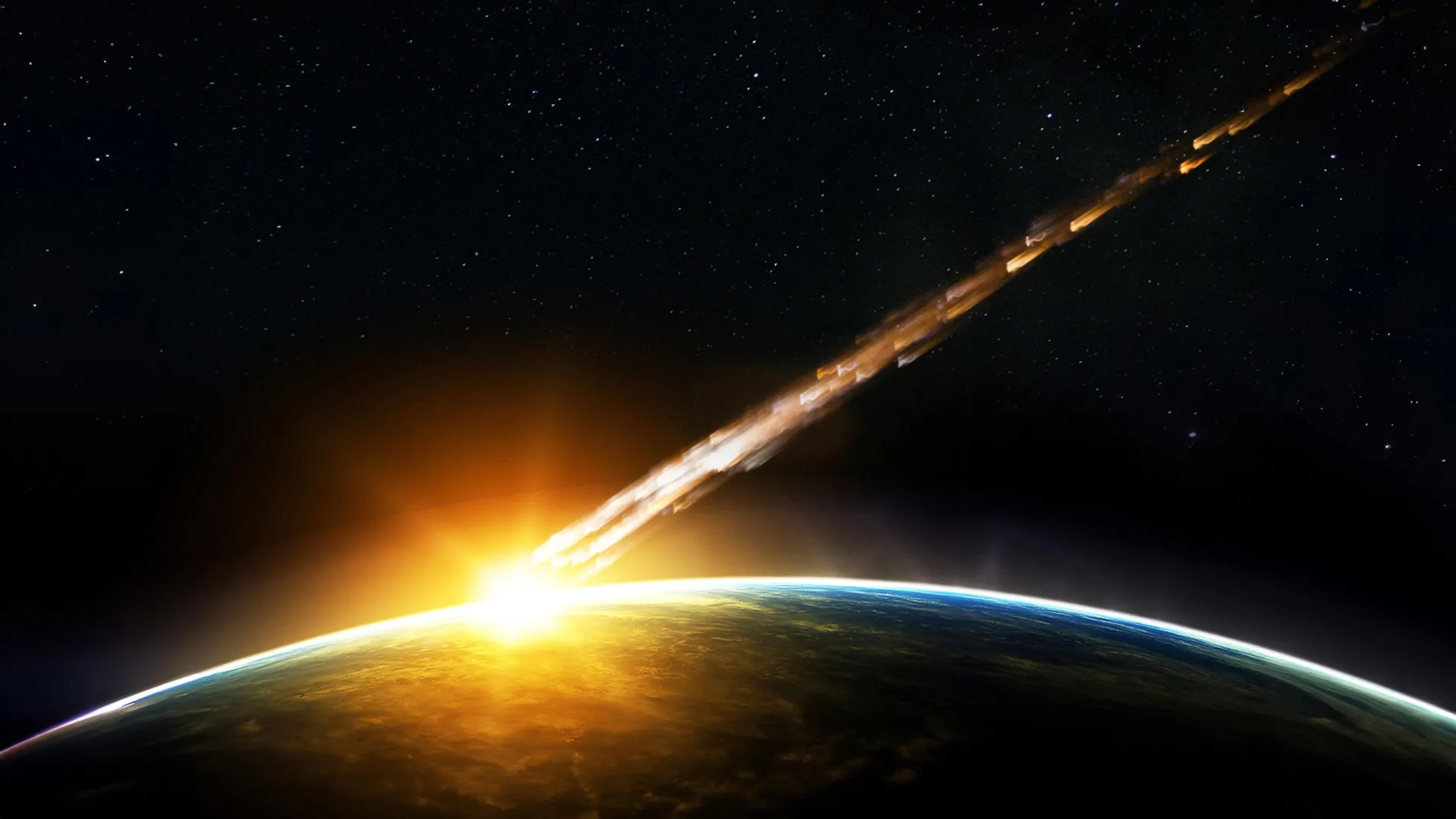
The recent confirmation of the Silverpit Crater’s origin as the impact site of a significant asteroid offers a compelling reminder of the Earth’s dynamic geological history, and the forces that have shaped our planet over millennia. For years, the crater’s existence and formation have been subjects of scientific debate, with various hypotheses proposed to explain its unusual structure beneath the North Sea. Now, robust evidence definitively points to an extraterrestrial impact, estimated to have occurred approximately 43 to 46 million years ago. This event, involving an asteroid roughly 160 meters in diameter, unleashed a devastating tsunami exceeding 100 meters in height—a dramatic illustration of the potential scale of such events. The resolution of this long-standing geological puzzle underscores the value of persistent scientific inquiry and the power of integrating diverse datasets. This discovery also resonates with ongoing research into understanding Earth’s vulnerability to space-borne hazards, mirroring the types of questions addressed in articles like A massive asteroid hit the North Sea and triggered a 330-foot tsunami, and highlights the unexpected events that have shaped our world. It’s a fascinating parallel to the complexities modeled in our recent piece on optimizing logistical operations, A multi-strategy integrated heuristic algorithm for the container relocation problem in automated container terminal yards, demonstrating how even seemingly disparate fields contribute to a broader understanding of systemic resilience.
The significance of this finding extends beyond simply identifying the source of the Silverpit Crater. It provides valuable data points for refining our understanding of asteroid impacts on Earth and their potential geological consequences. While relatively small compared to the impacts that punctuated Earth’s early history, the North Sea event offers a more recent, and therefore more readily analyzable, case study. Researchers can now calibrate models of tsunami generation and propagation with greater accuracy, improving our ability to assess and mitigate the risks associated with future impact events – though the probability of such an event occurring in a densely populated area remains statistically low. The impact’s effects on the surrounding marine environment and the subsequent evolution of the North Sea ecosystem are also areas ripe for further investigation. Furthermore, the discovery contributes to a growing body of evidence demonstrating that even seemingly stable geological regions can be profoundly affected by extraterrestrial events, a reality that frequently surprises those unfamiliar with the planet’s tumultuous past. The diverse geological phenomena observed along coastlines, as exemplified in reports like Can anyone explain this phenomenon?, often hold clues to these larger, less obvious processes.
From a broader perspective, this discovery reinforces the interconnectedness of Earth systems – the interplay between space, geology, oceanography, and biology. It underscores the importance of a multidisciplinary approach to scientific research, leveraging data from various sources to build a more complete picture of our planet's history and future. The empirical data derived from this investigation—crater morphology, tsunami simulations, and geochemical analysis—can be integrated into a broader ocean intelligence framework, enhancing our capacity to predict and respond to environmental changes. This kind of integrated data ecosystem is vital for understanding the complex feedback loops that govern Earth’s climate and life support systems. The careful calibration of instruments and methodologies, a cornerstone of validated scientific findings, allows us to move beyond speculation and towards a more robust understanding of the Earth’s natural processes.
Looking ahead, the Silverpit Crater presents a unique opportunity for further research and exploration. Advanced geophysical techniques, including high-resolution seismic surveys and deep-sea drilling, could provide even greater detail about the crater's structure and the composition of the surrounding sediments. Analyzing the impact debris could reveal insights into the asteroid’s origin and composition, potentially linking it to other objects in the solar system. Perhaps most importantly, this discovery serves as a potent reminder of the need for continued vigilance in monitoring near-Earth objects and developing strategies for planetary defense. How will advances in real-time data analysis and predictive modeling, driven by innovations in ocean observation technology, inform our future preparedness for such events?
Read on the original site
Open the publisher's page for the full experience