26 Filipino Seafarers Await Repatriation After Attack On Bulk Carrier In Ukraine
Our take
The recent incident involving a bulk carrier attacked in Ukraine and the subsequent awaiting of repatriation for its 26 Filipino seafarers underscores the escalating risks faced by maritime personnel operating in regions impacted by geopolitical instability. The safe disembarkation of the crew, as reported by the Department of Migrant Workers (DMW), is a positive development, but the situation highlights a larger, concerning trend. This event follows closely on the heels of the [Turkish Navy Locates Sunken Cargo Ship After Collision Off Istanbul, Search For 10 Crew Continues], demonstrating the multitude of hazards facing seafarers, ranging from accidental collisions to deliberate acts of aggression. The complex interplay of factors – conflict zones, heightened security concerns, and the sheer scale of global maritime trade – creates a precarious environment for those who keep the world's supply chains moving. It’s a situation demanding increased vigilance and proactive risk mitigation strategies.
The reliance on international cooperation and robust safety protocols is paramount in these circumstances. India’s recent launch of a [India Launches New System To Monitor Seafarers In High-Risk Maritime Regions] is a step in the right direction, signaling a growing awareness of the need for enhanced monitoring and support for seafarers in vulnerable areas. However, the challenges extend beyond technological solutions; they necessitate clear communication channels, coordinated response plans, and the unwavering commitment of flag states, port authorities, and maritime organizations to prioritize crew safety. The ongoing dispute regarding the [Russia Demands ‘Immediate Release’ Of Vessel Seized By Norway Over Naftogaz’s $4.2 Billion Claim] further complicates the landscape, showcasing how maritime operations can become entangled in broader political and economic disputes, adding layers of complexity and risk. The incident in Ukraine, coupled with these other events, points to a system under increasing strain.
The human cost of these events cannot be overstated. Seafarers, often hailing from developing nations, bear a disproportionate burden of risk in an industry vital to global commerce. The psychological impact of working in conflict zones, coupled with the potential for physical harm, demands greater attention to crew welfare and mental health support. Beyond immediate rescue and repatriation efforts, long-term support systems are crucial to address the trauma experienced by seafarers and their families. Validated risk assessments, incorporating both physical and psychological factors, should be a standard component of maritime operations in high-risk areas. The current situation necessitates a recalibration of risk management practices, moving beyond reactive measures to proactive strategies that anticipate and mitigate potential threats.
Looking ahead, the continued volatility in global geopolitics suggests that maritime security risks are likely to persist and potentially escalate. The incident involving the Filipino seafarers serves as a stark reminder of the need for a more resilient and adaptable maritime ecosystem. A key question will be how effectively international bodies and national governments can collaborate to establish clear protocols for the protection of seafarers operating in conflict zones and to ensure their safe and timely repatriation when necessary. The integrated data ecosystem required to effectively monitor and respond to these evolving threats will need continuous calibration and refinement to provide real-time ocean intelligence, enabling informed decision-making and safeguarding the lives of those who work at sea.
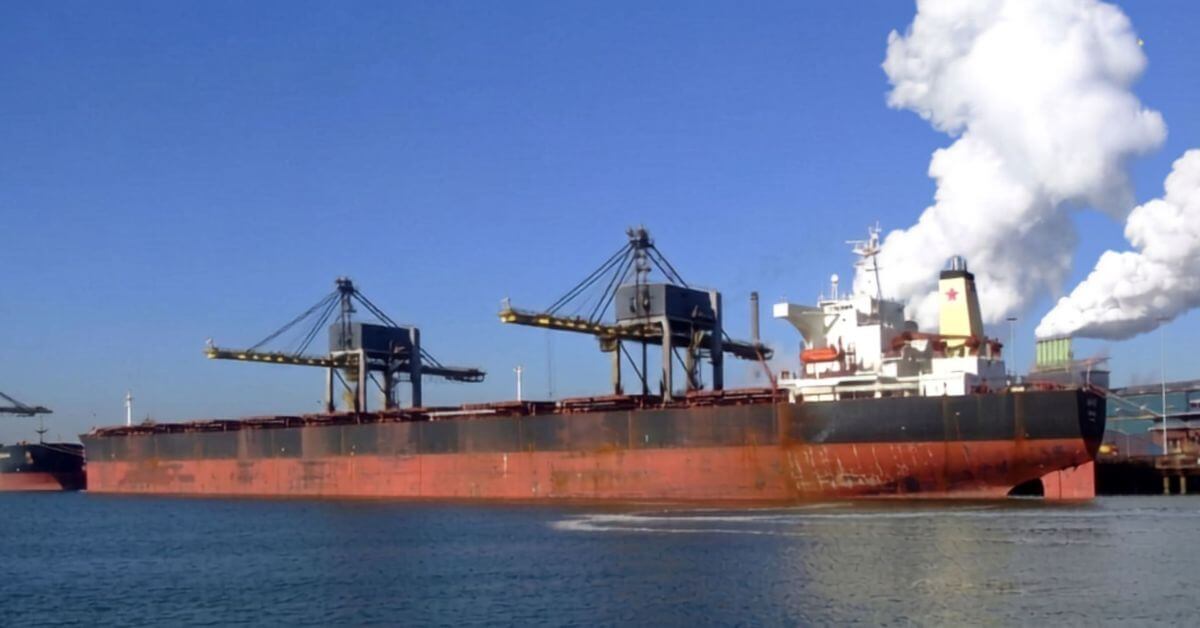
Philippine authorities are working to bring home 26 Filipino seafarers who were on the bulk carrier Gingo when the vessel was attacked while it was docked in Ukraine on Sept. 2, the Department of Migrant Workers (DMW) said.
All 26 Filipino crew members safely disembarked from the vessel by Sept. 4 and remain unharmed, according to the DMW.
They are currently awaiting transit to Moldova before their repatriation to the Philippines.
The Philippine Embassy in Warsaw, the Honorary Consul in Kyiv and the Migrant Workers Office (MWO) in Prague are keeping track of the seafarers and helping arrange their return.
Labor Attaché Llewelyn Perez said Philippine diplomatic missions are working with the relevant authorities to complete the documentation needed for the crew to return home.
The Philippine Embassy and Consulate in Kyiv are working with the shipowner and other authorities to process the crew’s travel documents.
The DMW said the seafarers’ needs are also being taken care of after they left the vessel. It is coordinating with their licensed manning agency and the shipowner to provide support.
As of Sept. 4, all 26 Filipino crew members had safely disembarked from the Gingo.
They remain unharmed and are waiting to travel to Moldova before they are sent home to the Philippines, the DMW said.
The Philippine authorities are continuing to work with the embassy, consulate and MWO on the crew’s return.
The DMW also assured the seafarers’ families that it will continue to monitor their situation and help arrange their safe return.
References: PNA, canadianinquirer
Read on the original site
Open the publisher's page for the full experience