2 Sailors From U.S Navy’s Aircraft Carrier Abraham Lincoln Confined To Ship After Thai Bar Brawl
Our take
The recent incident involving two sailors from the USS Abraham Lincoln confined to the ship following a bar brawl in Thailand highlights a recurring challenge for naval operations globally: maintaining discipline and upholding standards of conduct while deployed abroad. Such events, while seemingly isolated, carry significant implications for operational readiness, international relations, and the overall perception of naval forces. The incident underscores the complexities of balancing the need for crew morale and recreation with the responsibilities inherent in representing a nation’s military power on foreign soil. This isn’t an unprecedented occurrence; similar incidents involving U.S. Navy personnel have been reported in various ports throughout history, demonstrating the ongoing need for robust training and preventative measures. Considering the broader geopolitical landscape, where naval presence is often a critical component of strategic stability, such lapses in judgment can inadvertently create diplomatic friction and undermine trust. The Navy’s current exploration of incorporating foreign frigates into its warship class [U.S. Navy Considers South Korean, Japanese And Turkish Frigates For New Warship Class] illustrates an attempt to address logistical and procurement challenges, but this incident serves as a reminder that operational effectiveness is inextricably linked to the conduct and professionalism of personnel.
The incident also occurs against a backdrop of increased naval activity and heightened tensions in key maritime regions. The recent transit of numerous oil tankers through the Strait of Hormuz under U.S. naval escort [40 Oil Tankers Loaded With 18 Million Barrels Of Oil For Asia Cross Hormuz Under U.S Naval Escort] underscores the strategic importance of these waterways and the potential for conflict. Furthermore, the tragic loss of Filipino seafarers following an attack on a Saudi oil tanker in the same region [2 Filipino Seafarers Killed After Attack On Saudi Oil Tanker In Strait Of Hormuz] highlights the fragility of maritime security and the potential for escalation. While the brawl involving the USS Abraham Lincoln sailors is distinct from these direct security threats, it contributes to a broader narrative of instability and underscores the need for vigilance and professionalism across all naval operations. Maintaining a credible and reliable naval presence requires not only advanced technology and robust capabilities but also a commitment to impeccable conduct and adherence to international norms.
Beyond the immediate consequences for the two sailors involved, this incident raises questions about the effectiveness of current pre-deployment training and post-deployment support programs. Are sailors adequately prepared for the cultural nuances and potential pitfalls of operating in foreign ports? Are there sufficient opportunities for recreation and stress relief that don't involve potentially problematic environments? A comprehensive review of these programs, incorporating feedback from both junior and senior personnel, could yield valuable insights for improvement. Furthermore, the incident highlights the importance of clear and consistent communication of expectations regarding behavior and accountability, both before and during deployments. The Navy’s internal investigations and subsequent disciplinary actions are crucial, not only to address the immediate issue but also to reinforce the message that such behavior will not be tolerated.
Looking ahead, it is crucial to assess whether the increasing demands placed on naval personnel – longer deployments, more frequent exercises, and heightened operational tempo – are contributing to stress and fatigue, potentially increasing the likelihood of incidents like this. The integration of advanced data analytics and real-time monitoring systems, a core tenet of World Data Ocean’s mission, could potentially contribute to preventative measures by identifying patterns of behavior that might indicate increased risk. However, technology alone is not a solution. Ultimately, fostering a culture of responsibility, respect, and adherence to ethical standards remains paramount. The question remains: can the Navy effectively balance the operational demands of a global presence with the human factors that contribute to maintaining discipline and upholding the reputation of the United States Navy?
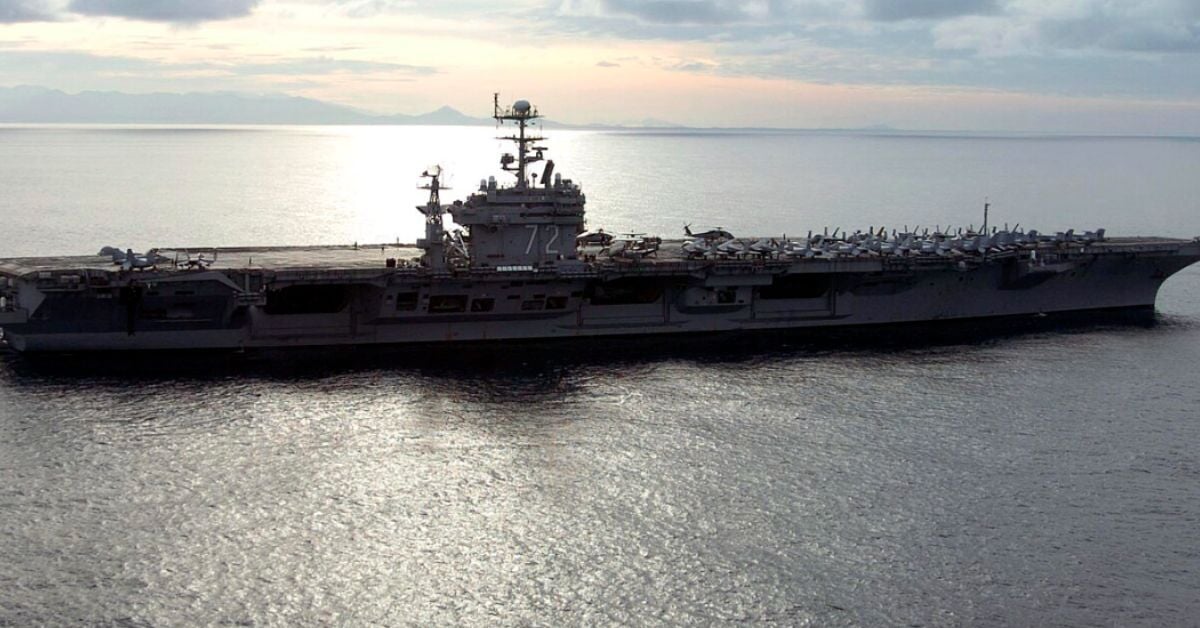
Two drunk sailors from the USS Abraham Lincoln, which docked at a Thai port, were involved in a fight outside a bar late at night when a citizen called the Police to resolve the matter and prevent the quarrel from escalating.
Both personnel have been confined to the ship for the rest of the time the warship remains at port, according to authorities who had already given a stern warning regarding maintaining decorum.
The incident happened in Pattaya, near the popular Walking Street, at 1:30 a.m., after which the Thai Police and members of the Lincoln Shore Liaison Group were sent to the scene.
The U.S Navy and Thai Authorities took the two sailors to a joint operations centre at the Hard Rock Cafe in the city.
The Americans were taken to the aircraft carrier, and in a recent meeting between U.S Navy and Thai officials, the incident was discussed and how to deal with such situations. As punishment for their actions, the two service members are strictly barred from setting foot outside the ship.
Before they arrived in Thailand, the ship’s commanding officer had strictly forbidden the crew from using marijuana or visiting inappropriate clubs, or engaging in prostitution. If found doing so, they would be punished.
According to a spokesperson from the Thai Police, the authorities would only arrest American sailors if they break the local laws or get involved in an incident with the country’s citizens.
He conveyed the same to the U.S Navy officials, and the crew of the Abraham Lincoln has also been informed of the consequences of going against these instructions.
The police are patrolling crowded places and have set up checkpoints at 6 places to respond to any security breach. However, since the aircraft carrier docked in Thailand, known for its beaches and nightlife, this has been the only security incident so far.
It comes as the 5000 service members and Marines of the U.S Navy’s aircraft carrier set foot on land for the first time in over 250 days, after their long and tiring deployment in the Middle East due to the ongoing US-Iran war.
The sailors’ families had spoken to the Navy Secretary about the long deployment and the poor conditions onboard due to clogged toilets, mould, shortages of food, water, and fresh supplies, and delays in sending and receiving mail, which led to a severe mental health crisis among the sailors, with one even attempting to commit suicide. U.S Navy’s aircraft carrier USS Abraham Lincoln will leave Thailand on Sunday for its home port in San Diego.
Read on the original site
Open the publisher's page for the full experience